


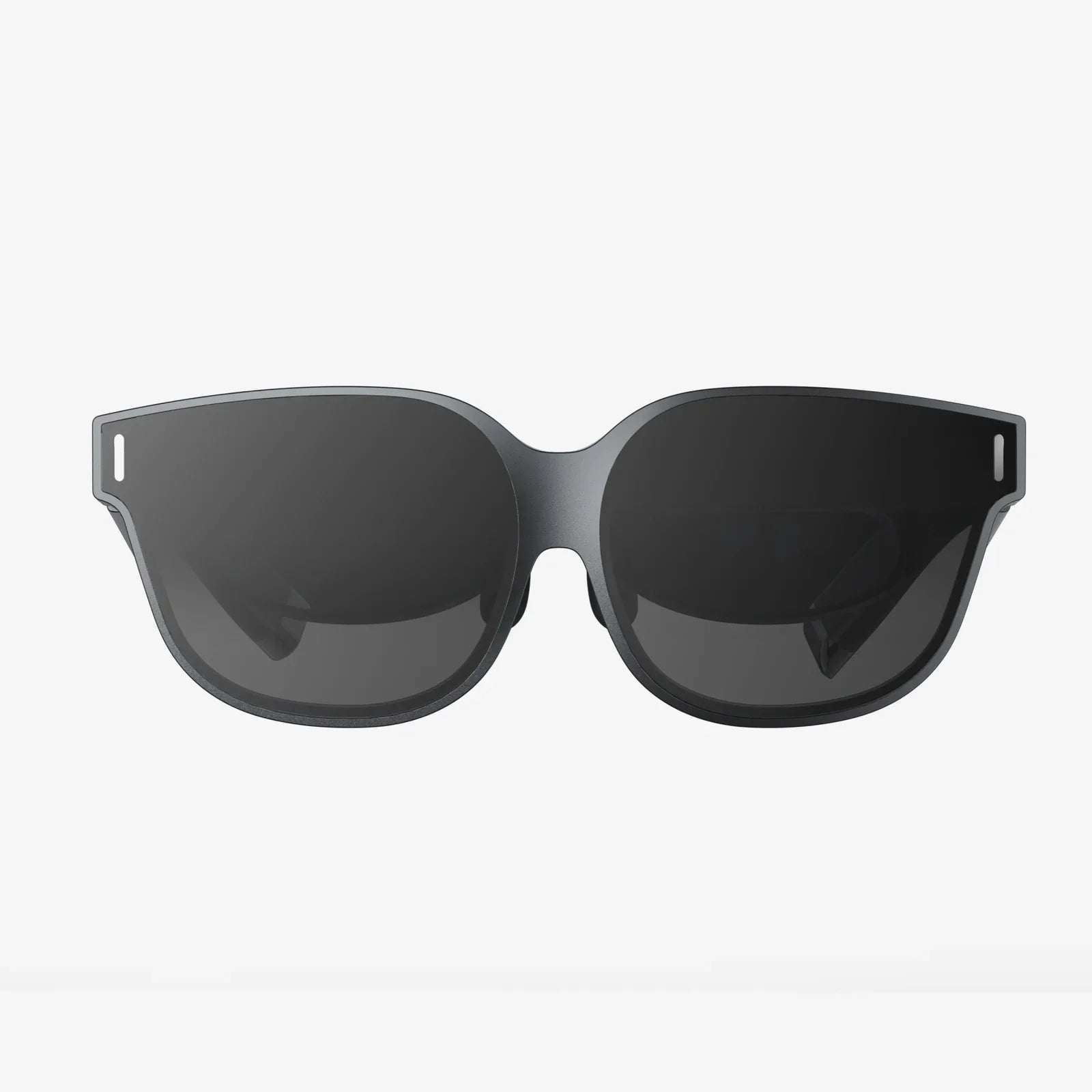
You've seen the breathtaking trailers, read the hype about virtual worlds, and felt that pang of curiosity. But then you look at the price tags of high-end virtual reality systems and your wallet whimpers in fear. The dream of exploring digital landscapes from your living room seems just that—a dream. What if you could dip your toes into the VR ocean without drowning in debt? The quest for the absolute cheapest gateway to PC-powered virtual reality is more nuanced than a simple Google search. It’s a journey of understanding trade-offs, hunting for deals, and knowing exactly what you're signing up for. Buckle up; we're diving deep into the budget end of the VR pool to see if the water's fine or if you're about to jump into a puddle.
Defining "Cheap" in the World of PC VR
Before we name names, it's crucial to define our terms. "Cheapest" can mean two very different things, and your choice will define your entire experience.
Option 1: The Absolute Lowest Entry Point (The True Budget King)
This is the path for the ultra-cost-conscious, the tinkerer, the person who values price above all else. Here, you're almost certainly looking at the second-hand market for older, discontinued hardware. The reigning champion in this category, without a doubt, is the first generation of modern PC VR headsets. We're talking about models that launched nearly a decade ago. Their original retail prices have plummeted, and you can often find them for a fraction of their original cost on online marketplaces.
The Experience: Be prepared for significant compromises. You'll encounter lower-resolution displays, which can result in a noticeable "screen door effect" (where you can see the lines between pixels). Tracking, often reliant on external sensors you must mount in your room, is good but not as flawless as modern inside-out systems. The controllers are functional but lack the ergonomic refinement and features of their contemporary counterparts.
Is it worth it? For the absolute lowest financial barrier to entry, yes. It will let you play most popular VR titles and experience what the medium has to offer. However, the dated technology means it's a far cry from the crisp, clear, and seamless experience showcased in modern marketing.
Option 2: The Best Value New Headset (The Smart Budget Choice)
If your definition of "cheap" leans more towards "the best value for my money" rather than "the absolute lowest number," this is the category for you. This involves buying a new, current-generation headset from a company's more affordable product line. These are devices that are still being manufactured and sold officially.
The Experience: This is where you get the most bang for your buck. You'll benefit from years of technological advancement: higher-resolution displays, superior lenses for a clearer picture, and vastly improved inside-out tracking (where cameras on the headset track your movement, eliminating the need for external sensors). The controllers will be more comfortable and accurate. The overall experience is more polished, reliable, and comfortable for longer sessions.
Is it worth it? Absolutely. Spending a little more upfront, often not much more than a discounted old flagship, gets you a dramatically better and more future-proof experience. It's the recommended path for most new users who want a taste of quality VR without breaking the bank.
The Hidden Costs of "Cheap" VR
The headset's price tag is only part of the story. To run PC VR, you need a capable computer. This is the most frequently overlooked and most expensive part of the equation for newcomers.
Your PC: The Real Powerhouse
VR is incredibly demanding. It requires rendering two high-resolution displays (one for each eye) at a very high frame rate (typically 90Hz or more) to avoid motion sickness. Your desktop or laptop needs a sufficiently powerful graphics card, a good processor, and enough ports.
Minimum Specs vs. Recommended Specs: Headset manufacturers provide minimum specifications. These are the absolute bare bones needed to run the software. Hitting only the minimum specs often means turning all graphical settings to low and potentially experiencing frame rate drops, which can lead to discomfort. For a enjoyable experience, you should aim for the recommended specifications or higher. This likely means a dedicated gaming PC with a mid-range to high-end graphics card from the last few generations.
Accessories and Software
Other costs can sneak up on you:
- Replacement Parts: Old second-hand headsets may need new face gaskets (for hygiene) or controller batteries.
- Extension Cables: If you want a larger play area, you might need an active DisplayPort or HDMI extension cable and a USB extension cable, which can add to the cost.
- Games and Apps: The headset is just the hardware. The software library is where you'll spend most of your time and money. Popular VR games often carry a premium price tag, though there are many free experiences and mods available.
A Realistic Look at the Budget VR Experience
So, what can you actually expect from a budget setup? It's vital to temper expectations.
Performance and Fidelity
Games will run, but visual fidelity will be a step down. Text might be harder to read in the distance, and complex scenes might cause performance issues if your PC is also on the lower end of the spec spectrum. It's functional and fun, but it's not the photorealistic fantasy often portrayed.
Comfort and Convenience
Older, cheaper headsets were often heavier and less balanced. They might use lower-quality foam for the padding, which can become uncomfortable during long play sessions. The setup process for external sensor-based tracking is also more involved than simply defining a play area with a modern headset.
The Library: What Can You Actually Play?
The fantastic news is that the vast library of PC VR content is available to you, from the classic rhythm games and social experiences to ambitious RPGs and simulators. However, the very latest cutting-edge games designed to push new hardware to its limits might not run well or look their best on an older, lower-resolution device.
Beyond the Headset: Essential Tips for the Frugal VR Buyer
Mastering the Second-Hand Market
If you go the used route, be smart. Always ask the seller for the product's condition. Check for scratches on the lenses—these are impossible to fix and will ruin the visual experience. Test the controllers to ensure all buttons, triggers, and thumbsticks work perfectly. Meet in a safe, public place if possible, or use a platform with buyer protection.
Timing Your Purchase
Like all technology, VR headsets go on sale. Major shopping events like Black Friday, Cyber Monday, and Prime Day often see significant discounts on new headsets, even the more affordable models. If you can wait, you can often snag a newer headset for a price close to what an old flagship sells for on the second-hand market.
Exploring the World of PC VR Streaming
An emerging and intriguing option for the truly budget-minded is using a smartphone-based headset shell in combination with PC VR streaming software. This method uses your phone's screen and internal sensors as the display and tracker, while a powerful PC on your local network handles the heavy graphical lifting and streams the video to your phone.
The Caveats: This introduces latency (a delay between your movement and the on-screen action), which can be a major cause of motion sickness for some users. The experience is highly dependent on the quality of your Wi-Fi network and is generally considered a experimental, less reliable method than a dedicated headset. However, for certain non-twitchy games like turn-based strategies or virtual desktop applications, it can be a fascinating, near-zero-cost way to experiment if you already have a compatible phone.
The Verdict: Is Cheap PC VR Worth It?
The answer is a resounding "yes," but with a giant asterisk. It is worth it if you go in with your eyes wide open to the compromises. For a patient buyer who hunts for deals and is comfortable with used hardware, the absolute cheapest option provides a legitimate, if dated, portal into virtual worlds. It's a fantastic proof-of-concept to see if VR captivates you enough to eventually invest more.
However, for most people, the smarter and highly recommended choice is to aim for the bottom rung of the new product ladder. The jump in clarity, comfort, and convenience from an old flagship to a new budget model is astronomical and well worth the relatively small difference in price. You get a modern, supported, and refined experience that truly represents what VR feels like today, not what it felt like at its inception.
The door to virtual reality isn't locked behind a thousand-dollar paywall. It's cracked open, waiting for anyone with a keen eye for value and a willingness to explore. The cheapest PC VR headset isn't a single product; it's a moving target defined by sales, second-hand deals, and your personal tolerance for tech that's past its prime. By understanding the trade-offs and arming yourself with the knowledge of what makes a VR system tick beyond the price tag, you can confidently find your perfect budget ticket to another dimension. Your adventure awaits, and it might be closer than you think.
Share:
What VR Headset Works with iPhone: The Ultimate 2024 Guide to Mobile Virtual Reality
Android AR Headset: The Unseen Revolution in Your Pocket