


The digital frontier is expanding at a breathtaking pace, and the gateway to these new realities is more compelling than ever. You’ve asked the question on everyone’s mind, the one that unlocks a universe of potential: what’s the newest VR headset? The answer is no longer just about a single device; it’s about a seismic shift in an entire category. We’re moving beyond clunky peripherals and entering an era of sophisticated, standalone wearables that promise to redefine not just how we play, but how we work, connect, and perceive the digital world around us. The newest generation isn't an incremental update—it's a revolution.
The Evolution of Immersion: From Wires to Wireless Wonders
To truly appreciate the newest arrivals, we must first glance back. The modern VR renaissance began with headsets tethered to powerful computers, offering high fidelity at the cost of freedom. This was followed by the rise of standalone devices, which sacrificed some graphical prowess for complete wireless autonomy, making VR truly accessible for the first time. The latest generation represents a synthesis of these two paths, aiming to deliver the best of both worlds: untethered freedom without compromising on the high-fidelity experience that hardcore users demand.
The industry's trajectory has been one of constant refinement. Early devices were often criticized for their low-resolution displays, which created a distracting 'screen door effect,' and their reliance on external sensors for tracking. The newest wave of headsets has overwhelmingly adopted inside-out tracking, using integrated cameras to map the environment, thereby simplifying setup and expanding the potential play space. Furthermore, display technology has leaped forward, with pancake lenses becoming the new standard, allowing for a much slimmer headset profile and a significantly sharper, more edge-to-edge clear picture.
Decoding the Specs: What Makes a Headset "New"?
When evaluating the latest and greatest, several key specifications separate the pioneers from the past generation. It's no longer just about resolution; it's about a holistic approach to visual and experiential clarity.
Visual Fidelity: Beyond Resolution
The most touted upgrade in any new headset is its display. We've moved from resolutions hovering around 2K per eye to new standards that push 4K per eye and beyond. This massive pixel density virtually eliminates the screen door effect, making text crisp and distant objects in virtual environments truly discernible. However, resolution is only part of the story. The adoption of pancake lenses is a game-changer. Unlike the older Fresnel lenses, which were bulky and caused glare, pancake optics allow for a much shorter distance between the display and the eyes. This results in a dramatically slimmer and lighter headset design, contributing immensely to comfort during extended use.
Another critical visual enhancement is the move to higher refresh rates. While 90Hz was once the target for a smooth experience, the newest devices are pushing 120Hz as a standard, with some experimental modes going even higher. This higher refresh rate is crucial for reducing motion sickness and creating a more believable, fluid world, especially in fast-paced games and simulations.
The Processing Power Within
For standalone headsets, the internal processor is the brain that dictates performance. The newest chipsets are custom-designed for the intense demands of spatial computing. They are not just about raw graphics power; they are about intelligently managing resources. Features like dynamic foveated rendering are now emerging. This technology uses eye-tracking to determine exactly where you are looking and renders that area of the screen in full detail, while subtly reducing the detail in your peripheral vision. This massive efficiency gain allows standalone headsets to punch far above their weight, delivering visuals that were previously only possible on tethered hardware.
Blending Realities: The Passthrough Revolution
Perhaps the most significant evolution in the newest VR headsets is the quality of their color passthrough cameras. Early passthrough was a grainy, black-and-white safety feature. Today, it has become a primary interface. High-resolution, full-color video passthrough is the foundation for Mixed Reality (MR). This allows digital objects to be anchored convincingly in your physical space. You can have a virtual monitor sitting on your real desk, resize a digital sculpture on your actual coffee table, or play a game where characters burst through your walls. The fidelity of this passthrough is paramount, and the latest headsets treat it as a first-class feature, with some even dedicating a special video processing chip to enhance the image in real-time, reducing distortion and motion blur.
A Paradigm Shift in Design and Comfort
The newest headsets have undergone a radical redesign from their forebears. The goal is clear: make the device something you want to wear, not something you have to endure.
Gone are the front-heavy designs that put pressure on your cheeks and brow. The latest trend is a more balanced weight distribution. Many new models use a top-strap or halo-band design that takes the primary weight off the face and places it on the crown of the head, much like a baseball cap. This, combined with the lighter materials and slimmer form factor enabled by pancake lenses, makes a world of difference for comfort, allowing for multi-hour productivity or entertainment sessions without fatigue.
Furthermore, attention to detail is evident. Magnetic, interchangeable facial interfaces make hygiene and sharing easier. Built-in audio solutions have improved from tinny speakers to spatial audio systems that emit directed sound, providing a private, immersive experience without the need for cumbersome headphones. These design choices signal a maturation of the industry, focusing on the human factors that ensure long-term adoption.
The Software Ecosystem: Where the Magic Happens
A headset is merely a window; the software is the world you see through it. The newest hardware is being launched alongside and in support of a rapidly evolving software ecosystem that extends far beyond gaming.
- Productivity: Robust web browsers, virtual monitors, and collaborative workspaces are becoming standard. The vision is to replace your physical monitor setup with infinite, portable virtual screens, allowing you to work from anywhere.
- Fitness: VR fitness has exploded in popularity. New, more comfortable headsets with better sweat management are directly catering to this audience, offering engaging workouts that feel more like play than exercise.
- Social Connection: Social VR platforms are evolving into more sophisticated spaces for concerts, meetings, and casual hangouts. Improved avatars with realistic eye-tracking and facial expression mapping, powered by the new hardware, make these interactions feel more genuine and less cartoonish.
- Content Creation: Artists and designers are using VR as a 3D canvas, sculpting and painting in mid-air with intuitive motion controls. The higher resolution and precision of new devices make this a more viable professional tool.
Gazing into the Crystal Ball: The Future is Now
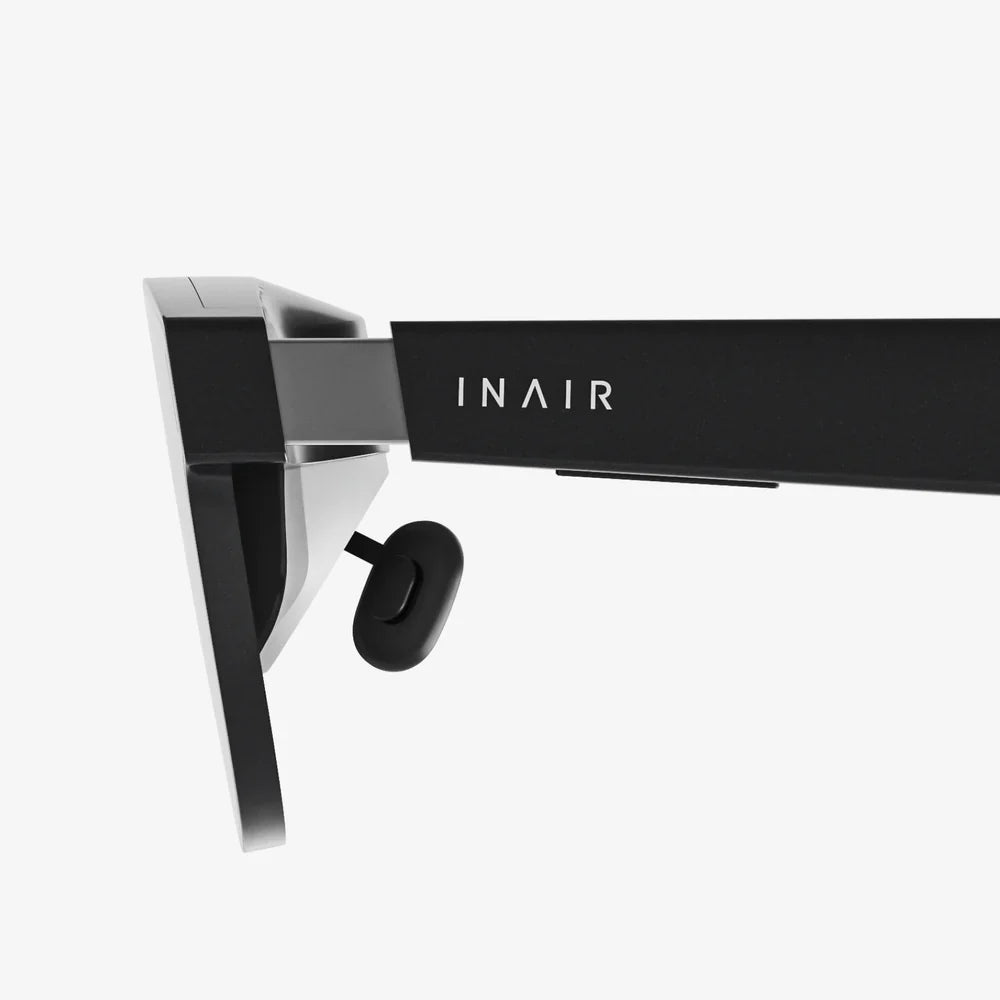
The features defining the current crop of headsets offer a clear glimpse into the future of the entire category. We are moving towards devices that are not just for VR but for ambient computing—always-on wearables that blend the digital and physical seamlessly. The ultimate goal, often hinted at in the newest prototypes, is a pair of sunglasses-style form factor that you might wear all day, switching effortlessly between immersive VR and contextual AR overlays.
Technologies on the horizon, like varifocal displays that adjust to your individual eye prescription and micro-OLED displays for even greater contrast and brightness, promise to make the next generation even more compelling. The question of what's the newest VR headset will soon be synonymous with asking what's the newest personal computer.
The race to build the ultimate virtual and mixed reality device is heating up, and the pace of innovation has never been faster. The newest headsets are more than just gaming gear; they are the vanguard of a fundamental shift in human-computer interaction. They promise a future where our digital and physical lives are not separate, but intertwined in a rich, interactive tapestry. The gateway is open, and the experiences waiting on the other side are limited only by imagination.
Share:
AR Supported Devices: The Ultimate Guide to Hardware Shaping Our Augmented Reality Future
VR Headset Safety: A Comprehensive Guide to Protecting Your Health and Well-Being