


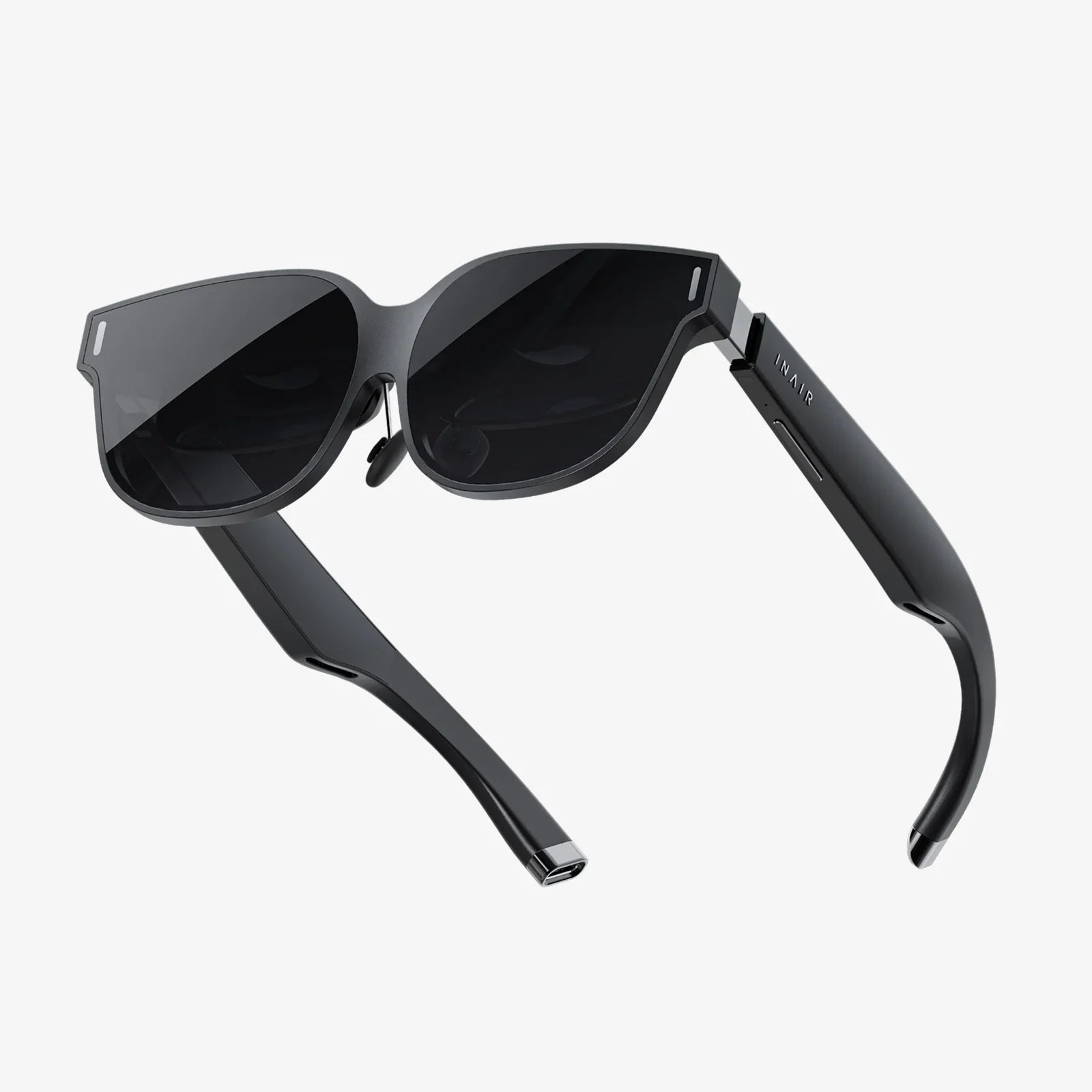
You’ve seen the headlines for decades, you’ve watched the futuristic movies, and you’ve perhaps even strapped on a headset yourself. The promise of Virtual Reality—a fully immersive digital escape, a revolution in how we work, learn, and play—has dangled just out of reach for generations. It’s a technology that feels both incredibly imminent and perpetually years away. The burning question, the one that fuels billions in investment and endless speculation, is simple: When will this captivating technology finally shed its niche status and become as commonplace as the smartphone in your pocket? The answer is not a single date on a calendar but a complex equation of innovation, accessibility, and human acceptance. The journey to mainstream VR is not a question of if, but a fascinating story of how and when the final barriers will fall.
The Dream Versus The Reality: A Historical Perspective
To understand VR's future, we must first glance at its past. The concept is not new; its roots stretch back to the Sensorama machines of the 1960s and the crude, heavy headsets of the 1990s that first introduced the term "virtual reality" to the public consciousness. Each era brought a wave of excitement, followed by a trough of disillusionment when the technology failed to live up to the science-fiction hype. The current modern cycle began in earnest with the development of consumer-grade hardware that finally delivered on the core promise of presence—the genuine feeling of being somewhere else.
This cycle, however, has mirrored the past. Early adoption was driven by gaming and tech enthusiasts, a dedicated but limited audience willing to tolerate high costs, cumbersome setups, and technical complexity. For VR to become mainstream, it must break free from this early adopter phase and appeal to the early and late majority—users who demand convenience, value, and seamless experiences. This transition is the central challenge, and it hinges on solving a trilogy of interconnected problems: the technological, the economic, and the experiential.
The Technological Hurdles: Beyond the Wires and Walls
The path to mainstream adoption is paved with silicon, optics, and software. Today's hardware, while impressive, still presents significant friction that prevents casual use.
The Form Factor and Comfort
For many, the current generation of headsets remains too heavy, too hot, and too isolating. Wearing a face-mounted computer for extended periods can be physically fatiguing and socially awkward. The ideal mainstream device must approach the ergonomics and social accessibility of a pair of sunglasses. This requires monumental leaps in miniaturization, battery technology, and heat dissipation. Advancements in pancake lenses and micro-OLED displays are making headsets slimmer, but integrating powerful processing into such a small form factor without compromising performance or generating excessive heat is a formidable engineering challenge.
The Quest for Visual and Interaction Fidelity
While modern headsets offer high resolution, the quest for perfect visual fidelity is ongoing. Screen Door Effect (SDE), though greatly reduced, must be eliminated. The field of view needs to expand to match human binocular vision to enhance immersion. More critically, we need photorealistic avatars and environments in real-time, which demands rendering capabilities far beyond today's consumer hardware. This ties directly into the "killer app" dilemma—truly transformative experiences may require a level of computing power that mainstream devices can't yet house.
The Tyranny of the Tether and Processing Power
The market is currently split between tethered headsets (powered by external consoles or PCs) and standalone units (with onboard processing). Tethered systems offer high fidelity but sacrifice freedom and simplicity. Standalone systems offer freedom but compromise on graphical prowess. The mainstream winner will likely be a device that erases this dichotomy entirely through breakthroughs in wireless streaming (like Wi-Fi 7 and beyond) and ultra-efficient mobile processing chips that can deliver desktop-level graphics without a physical tether or a wall-powered computer.
The Economic Equation: Cost, Content, and Value Proposition
Technology is only one piece of the puzzle. For mass adoption, VR must make undeniable economic sense for the average consumer.
The Hardware Price Barrier
Despite falling costs, a high-quality VR setup still represents a significant investment, often requiring a headset and, for the best experience, a capable gaming PC. The mainstream price point is widely considered to be well below a certain threshold, a target that has yet to be hit without major compromises in quality. The ecosystem must mature to a point where powerful hardware is accessible at a mass-market price, similar to how game consoles found their pricing sweet spot.
The Content Conundrum: Where is the Killer App?
Hardware is nothing without software. While there are many excellent VR games and experiences, the platform still lacks a true "killer app"—a must-have application that drives hardware sales on its own merit for a non-enthusiast audience. For some, it might be a social platform; for others, an unmissable game or an indispensable work tool. This app needs to be so compelling that it justifies the initial investment. It must demonstrate unique utility that cannot be replicated on a flat screen, moving beyond novelty to necessity.
Building a Sustainable Ecosystem
For developers to create high-budget, "killer app" caliber software, they need a large installed base of users to sell to. But users won't buy headsets without great software. This is the classic platform chicken-and-egg problem. Breaking this cycle requires patient, deep investment from platform holders to fund content until the user base grows large enough to support a self-sustaining economy. We are seeing this happen now, but the scale is not yet sufficient for AAA studios to bet their entire future on VR-exclusive projects.
The Experiential and Societal Shift: Beyond Gaming
Mainstream adoption means VR must be for everyone, not just gamers. Its value must extend into daily life.
Social Adoption and the "Alone Together" Problem
Current VR can be an isolating activity, cutting the user off from their physical environment. For it to become a mainstream social tool, the technology needs to seamlessly blend the digital and physical worlds. This is the promise of Augmented Reality (AR) and Mixed Reality (MR), where digital objects are overlayed onto your real-world view. The ultimate device might be a single headset that can toggle between full VR immersion and AR transparency, allowing for shared experiences with people both inside and outside the headset. Normalizing the use of these devices in public and social settings is a societal hurdle that will take time.
Utility in Work, Education, and Healthcare
The true tipping point may come not from entertainment, but from productivity. Remote collaboration in virtual boardrooms, immersive training simulations for surgeons and mechanics, virtual classrooms that transport students to ancient Rome—these applications offer a tangible return on investment. In healthcare, VR is already being used for phobia treatment, physical therapy, and surgical planning. When businesses and institutions begin to standardize on VR technology for core operations, consumer adoption will follow, as people become familiar with the technology in a professional context.
Solving Accessibility and Simplicity
The user experience must be flawless. Setting up a VR space, configuring hardware, and troubleshooting technical issues are massive barriers. The mainstream experience needs to be as simple as putting on a headset and immediately being in your virtual environment. This requires intuitive UI/UX design, robust inside-out tracking that works in any environment, and automated setup processes. It must be a zero-friction experience.
The Convergence Point: A Forecast for the Future
So, when will all these stars align? Predicting a precise year is folly, but we can identify the milestones that will signal arrival.
The first mainstream wave will likely be driven by a hybrid device—a comfortable, affordable, all-in-one headset with strong AR/MR capabilities. It will be powered by a next-generation chipset that delivers stunning graphics without a external computer. This device will be launched alongside a genuine killer application, probably in the social or productivity space, that captures the public's imagination and demonstrates clear, unparalleled utility.
We can expect to see significant progress within the next few years, as the technology built today matures. However, widespread, global mainstream adoption on par with smartphones or televisions is likely a prospect for the next decade. It will be a gradual process, not a single event. It will start in specific verticals like enterprise training and design, slowly permeate social communication, and eventually become a normalized part of our domestic technological ecosystem.
The journey is as important as the destination. Each incremental improvement in comfort, each drop in price, and each innovative piece of software brings us closer. The infrastructure is being built now—the metaverse, however one defines it, is being constructed not just in code, but in the manufacturing plants, software studios, and research labs around the world.
Imagine a world where attending a meeting, visiting a doctor, or exploring a museum requires no commute, just a simple device you slip on. The potential for connection, efficiency, and access is staggering. The technology to make virtual reality mainstream is coalescing right now, and the final act of this decades-long story is being written. The wait won't be much longer, and the destination will redefine our reality.
Share:
Real Image vs Virtual Image Screen Projection: The Ultimate Visual Technology Breakdown
Touch Sensor Market Size: A Deep Dive into Growth, Trends, and the Future of Interaction