


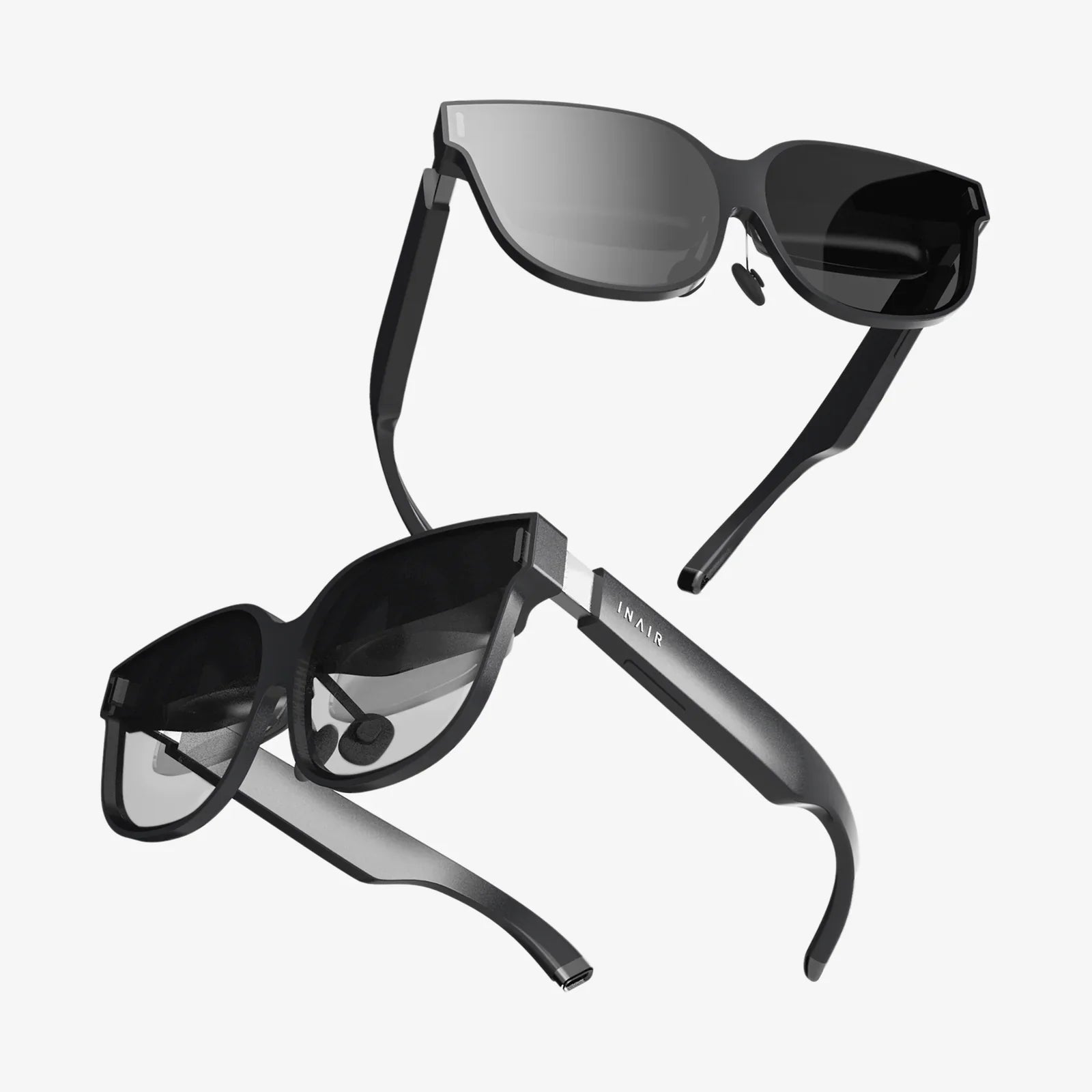
Imagine a world where digital information seamlessly overlays your physical reality, where instructions float before your eyes as you repair a complex engine, where a surgeon can see a patient's vital signs and 3D organ models during an operation, or where you can visualize a new sofa in your living room before you buy it. This is not the stuff of science fiction; it is the present and rapidly evolving reality of augmented reality (AR). The question is no longer if AR will become integral to our daily lives and professional workflows, but where is augmented reality being used right now to drive innovation, enhance efficiency, and create breathtaking new experiences. The answers are as diverse as they are revolutionary, spanning from the operating theater to the factory floor, the classroom to the retail store, fundamentally altering our interaction with the world around us.
Transforming Medicine and Patient Care
The healthcare sector stands as one of the most profound and impactful arenas for AR implementation. Here, the technology is not merely a tool for convenience but a life-saving instrument that enhances precision, improves outcomes, and democratizes medical knowledge.
Surgical Precision and Planning
Surgeons are utilizing AR to achieve unprecedented levels of accuracy. By overlaying CT scans, MRI data, and 3D anatomical models directly onto a patient's body during procedures, AR headsets provide a kind of “X-ray vision.” This allows surgeons to see beneath the skin, accurately locating tumors, blood vessels, and critical structures without making large incisions. For complex spinal surgeries, for example, AR can project the precise trajectory for screw placement, minimizing risk to nerves and surrounding tissue. This technology reduces operation times, minimizes blood loss, and leads to faster patient recovery.
Medical Training and Education
AR is revolutionizing how medical students and professionals are trained. Instead of relying solely on cadavers or static textbooks, students can interact with detailed, life-sized holograms of the human body. They can peel back layers of anatomy, visualize complex physiological processes, and practice procedures in a risk-free, immersive environment. This hands-on, interactive learning leads to a deeper understanding and retention of complex medical knowledge.
Enhanced Patient Education and Rehabilitation
Doctors are using AR applications to help patients better understand their conditions and treatment plans. By visualizing their own anatomy and the proposed surgical procedure, patients can make more informed decisions. In physical therapy, AR games and exercises make rehabilitation more engaging. Patients recovering from a stroke or injury can perform prescribed movements in an interactive game, which increases motivation and provides therapists with precise data on range of motion and progress.
Revolutionizing Manufacturing and Industrial Design
On factory floors and in design studios, AR is becoming an indispensable tool for streamlining complex processes, reducing errors, and empowering workers with real-time, contextual information.
Assembly, Maintenance, and Repair
Technicians wearing AR smart glasses can see digital work instructions, animated diagrams, and safety information overlaid directly onto the machinery they are assembling or repairing. A novice worker can be guided, step-by-step, through a complex wiring process, with arrows highlighting exactly which component to connect next. This reduces training time, drastically cuts down on errors, and improves overall efficiency. Remote experts can also see what an on-site technician sees and annotate their field of view with arrows and notes to guide them through a repair, eliminating the need and cost for travel.
Design and Prototyping
Engineers and designers are using AR to visualize and interact with 3D prototypes at full scale before any physical model is built. A car designer can project a life-sized hologram of a new vehicle into an empty space, walk around it, inspect the curves, and even sit in the virtual driver's seat to assess ergonomics. This allows for rapid iteration, early detection of design flaws, and better collaboration between teams, saving significant time and resources in the product development cycle.
Logistics and Warehouse Management
In massive distribution centers, AR is supercharging logistics. Warehouse workers equipped with AR glasses can see the most efficient picking routes displayed on their screens, with digital arrows guiding them to the exact shelf location. The technology can highlight the correct item and even display the quantity to be picked, significantly speeding up the process and reducing picking errors. This leads to faster order fulfillment and higher customer satisfaction.
Reshaping the Retail and E-Commerce Experience
The retail sector is leveraging AR to bridge the gap between the online and in-store experience, offering consumers new ways to try, visualize, and interact with products.
“Try Before You Buy” and Virtual Showrooms
Furniture retailers allow customers to use their smartphone cameras to place true-to-scale 3D models of sofas, tables, and decor into their own living spaces. Fashion brands offer virtual try-on for glasses, makeup, and even clothes, allowing shoppers to see how an item looks on them without ever entering a fitting room. Automotive companies create virtual showrooms where users can explore every detail of a car's interior and exterior, change colors, and customize features from their homes. This immersive experience reduces purchase hesitation and lowers return rates.
In-Store Navigation and Enhanced Information
Large retail stores are implementing AR wayfinding apps. A customer looking for a specific product can open an app on their phone, which will then display a path on the screen overlay guiding them directly to the item's aisle and shelf. By pointing their phone at a product, shoppers can also access a wealth of digital information not available on the physical packaging, such as detailed specifications, tutorial videos, user reviews, and allergen information for food items.
Creating Immersive Learning and Educational Tools
Education is being transformed from a passive activity into an interactive, engaging journey, making abstract concepts tangible and accessible to learners of all ages.
Interactive Textbooks and Classroom Learning
Static diagrams in history and science textbooks are springing to life. Students can point a tablet at a picture of a Roman ruin and see a complete, animated reconstruction of the building on their screen. They can explore the solar system with planets orbiting around them in the classroom or dissect a virtual frog with no mess and unlimited attempts. This experiential learning fosters curiosity and dramatically improves comprehension and retention.
Skills Training and Professional Development
Beyond traditional academics, AR is used for vocational training. Mechanics can learn to repair engines, electricians can practice wiring circuits, and welders can hone their technique—all within a safe, virtual environment that provides real-time feedback. This allows for mastery of complex manual skills without the risk of injury or the waste of materials.
Enhancing Navigation and Tourism
AR is changing how we explore and navigate both familiar cities and foreign destinations, turning the entire world into an interactive guidebook.
City Exploration and Historical Context
Tourists pointing their smartphones at a historical landmark can see it overlaid with information about its history, see historical figures, or even witness a reenactment of a famous event that occurred there. Navigation apps are beginning to project floating directional arrows onto the real-world view through the phone, making it impossible to get lost. This creates a deeply contextual and personalized travel experience.
Pushing the Boundaries of Entertainment and Gaming
While gaming popularized AR for many, its applications in entertainment continue to evolve beyond catching virtual creatures in the park.
Interactive Live Events and Marketing
Sports broadcasts are using AR to overlay real-time statistics, player information, and dynamic visualizations onto the field of play during a game. At concerts, AR apps can provide additional visual effects for audience members viewing the stage through their phones. Marketers create interactive AR campaigns where posters come to life or packaging reveals a hidden game, creating memorable brand interactions.
The Future is Already Here
The trajectory of augmented reality is clear: it is moving from novelty to necessity, from isolated applications to an integrated layer of our reality. The question of where is augmented reality being used reveals a technology that is not confined to a single niche but is instead a versatile and powerful platform for human advancement. As hardware becomes more comfortable and affordable, and software more sophisticated, we will see these applications deepen and new, unimaginable uses emerge. The boundary between the digital and physical will continue to blur, creating a world where information, assistance, and enchantment are always at our fingertips, transforming every industry, enhancing every task, and redefining the very nature of human experience. The revolution is not coming; it is already being viewed, through a lens enhanced by our own imagination and innovation.
Share:
Who Created the First Augmented Reality System? The Untold Story of a Digital Visionary
Best VR Headset for Virtual Travel: Your Ultimate Portal to Global Exploration