


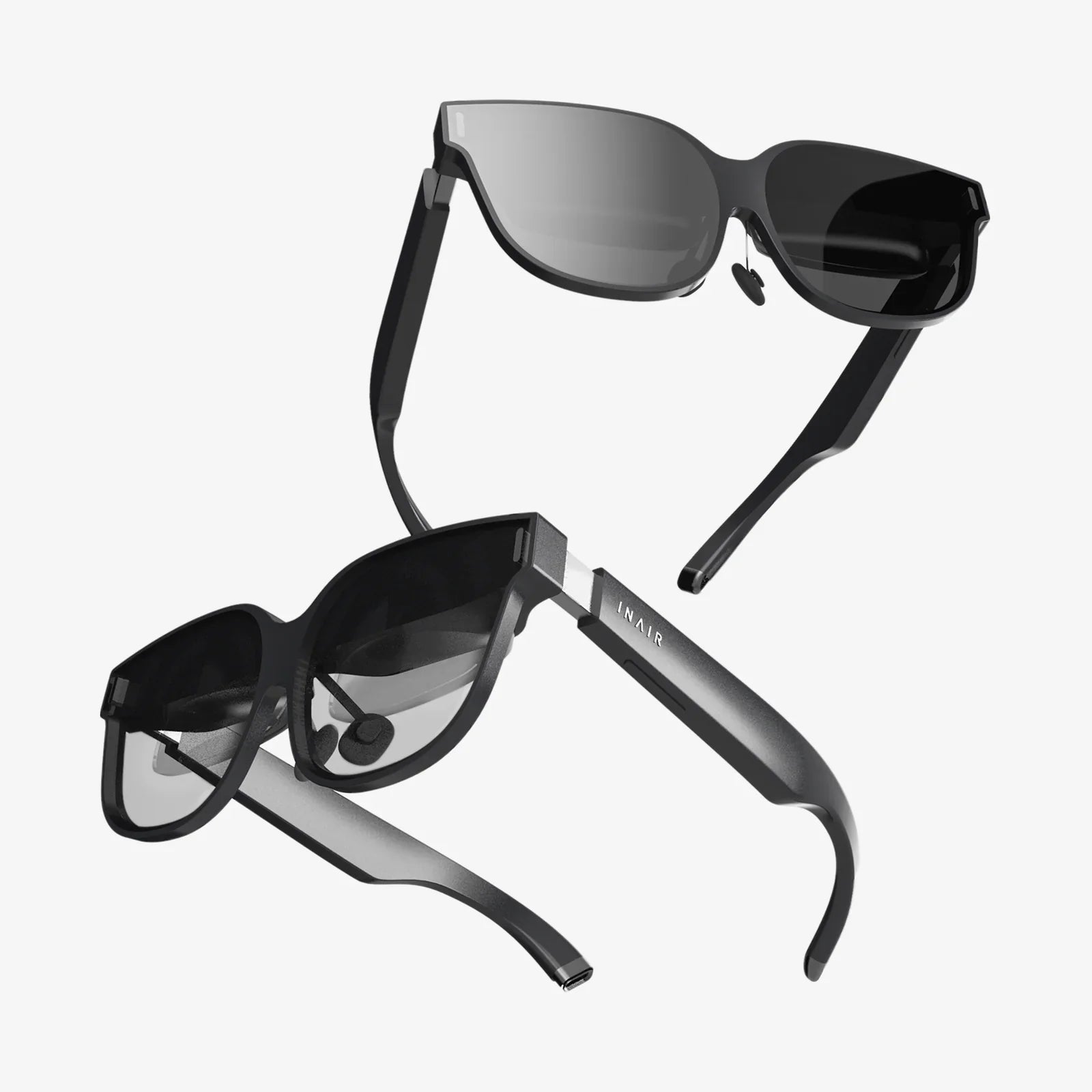
The world is on the cusp of a visual computing revolution, and the gateway is a pair of sleek, futuristic frames. You've seen the concept videos, read the hype, and now you're ready to step into a blended reality where digital information overlays your physical world. The burning question isn't if you should dive in, but where to buy Android XR glasses that are right for you. This isn't just about making a purchase; it's about sourcing a portal to a new way of working, playing, and connecting. The market is a labyrinth of options, from cutting-edge prototypes to more accessible consumer-ready devices, and navigating it requires a savvy guide. This article is your comprehensive roadmap, designed to demystify the process and lead you directly to the perfect pair of Android-powered extended reality glasses.
Understanding the Android XR Ecosystem
Before embarking on your quest to find where to buy Android XR glasses, it's crucial to understand what you're actually looking for. The term "XR" or Extended Reality is an umbrella that encompasses Virtual Reality (VR), Augmented Reality (AR), and Mixed Reality (MR). Android XR glasses typically lean towards the AR and MR aspects, projecting holographic images and data into your field of view while allowing you to remain present in your environment.
Unlike closed ecosystems that are tied to a specific brand's operating system, Android XR glasses often offer a more open and flexible environment. They run on a variant of the Android operating system, which means they can potentially tap into the vast universe of Android applications and services. This openness is a double-edged sword; it promises greater customization and app availability but also requires a more discerning eye to ensure quality and compatibility.
Key Features to Prioritize in Your Search
Not all XR glasses are created equal. As you explore where to buy Android XR glasses, you'll be confronted with a list of specifications that can be overwhelming. Focusing on a few key areas will help you narrow down your options and find a device that truly meets your needs.
Display Technology: The Window to Your Digital World
The quality of the display is paramount. You'll want to look for terms like:
- Resolution and Field of View (FoV): A high resolution ensures text and images are sharp, not pixelated. The FoV determines how much of your vision is filled by the digital display. A narrow FoV can feel like looking through a small window, while a wider FoV is far more immersive.
- Waveguides vs. Birdbath Optics: Many AR glasses use waveguide technology to project light onto the lenses, resulting in a sleeker design. "Birdbath" optics can offer brighter colors but may result in a bulkier form factor. Understanding the trade-offs is key.
- Brightness (Nits): For augmented reality to be usable outdoors or in bright rooms, the displays need to be extremely bright to overcome ambient light.
Processing Power: On-Device vs. Tethered
An essential question is how the glasses are powered. Some Android XR glasses are standalone devices, with all the necessary computing hardware built into the frames. Others are tethered, meaning they act as a display and sensor hub for a more powerful external device, like a smartphone or a small computing pack. Standalone offers ultimate freedom of movement, while tethered can provide more processing power for complex applications.
Tracking and Sensors
For the digital world to stay locked to the physical one, precise tracking is non-negotiable. Look for glasses equipped with:
- High-resolution cameras for spatial mapping.
- IMUs (Inertial Measurement Units) for tracking head movement.
- Depth sensors or LiDAR for understanding the geometry of your environment.
This sensor suite is what allows virtual objects to sit convincingly on your real-world table.
The Premier Digital Marketplaces
For the tech-savvy early adopter, online marketplaces are often the first and most convenient stop. These platforms offer a wide range of options, from well-known developers to innovative startups.
Major E-Commerce Giants
The largest online retailers have dedicated sections for virtual and augmented reality hardware. Their advantages are immense: buyer protection policies, customer reviews, and generally reliable return windows. You can easily filter search results by price, brand, and features. However, the sheer volume can be daunting, and it may include older generation products or accessories mislabeled as full XR glasses. Scrutinizing product descriptions and seller ratings is essential.
Specialist Technology Retailers
Websites that focus exclusively on electronics and cutting-edge tech are a fantastic resource. These retailers often curate their selection more carefully, featuring products that meet a certain quality threshold. Their product pages frequently contain more detailed specifications and sometimes even video reviews or comparisons. The staff at these retailers are also typically more knowledgeable about the products they sell, which can be a valuable resource if you have specific questions.
Developer and Maker Platforms
If you're interested in development kits or earlier-stage hardware, platforms that cater to developers and makers are worth exploring. These sites connect developers with hardware manufacturers. The glasses found here are often not the polished consumer products but the tools used to build the software and experiences for the future. Purchasing from these platforms usually requires a higher level of technical understanding.
Going Direct: Manufacturer Websites
For the latest and most advanced Android XR glasses, buying directly from the source is frequently the best option. Most hardware startups and established companies sell their flagship devices through their own official websites.
The Advantages of the Direct Approach
Purchasing directly from a manufacturer often means you get the device first, as soon as it's available. You're also guaranteed to receive a brand-new unit with a full warranty directly from the maker. The product information is straight from the source, ensuring accuracy. Furthermore, companies often bundle exclusive software or promotional offers with direct purchases that aren't available through third-party retailers.
Navigating the Pre-Order Landscape
The XR industry moves fast, and many new glasses are announced and sold through pre-order campaigns long before they are mass-produced. This allows companies to gauge interest and fund production. While pre-ordering can secure you a unit from an early batch, it does come with inherent risks, including potential delays and the fact that final consumer reviews are not yet available. Always research the company's track record for delivering on its promises before committing to a pre-order.
Physical Retail: Trying Before You Buy
While online shopping is convenient, XR is a deeply personal and visual experience. The fit of the glasses on your face, the clarity of the display through the lenses, and the overall comfort are subjective factors that are difficult to judge from a spec sheet alone.
Electronics and Mobile Carrier Stores
Major electronics retailers and mobile carrier stores are increasingly dedicating floor space to XR demonstrations. This is one of the best ways to experience the technology firsthand. You can ask questions to in-store representatives and compare different models side-by-side. The ability to physically try the glasses is invaluable for ensuring a comfortable fit and assessing visual quality, potentially saving you from an expensive mistake and a frustrating return process.
Secondary Markets and Buyer Beware
The demand for XR technology has given rise to a vibrant secondary market on auction sites and forums. While these venues can sometimes offer lower prices, they are minefields for the unwary.
The Risks of Auction Sites and Resellers
When you buy from an individual reseller, you have no guarantee about the condition of the device. It could be a demo unit, have hidden damage, or be missing crucial accessories. Warranties are almost always non-transferable, leaving you with no recourse if the device fails. There is also a higher risk of fraud or receiving counterfeit goods. If a deal seems too good to be true on these platforms, it almost certainly is. It is generally advisable for all but the most experienced users to avoid these channels for such complex and nascent technology.
Preparing for Your Purchase
Once you've identified a potential source and a specific model, a final checklist can ensure a smooth transaction.
- Check Compatibility: If the glasses are tethered, verify they are compatible with your Android smartphone's model and operating system version.
- Understand the Return Policy: Can you return the glasses if they don't fit well or cause discomfort? A 30-day return policy is a good sign of retailer confidence.
- Research the Company: For direct sales and startups, look into the company's history. Do they have a reputation for supporting their products with software updates?
- Read Independent Reviews: Seek out reviews from trusted tech publications and user communities. Look for consensus on the device's strengths and weaknesses.
The journey to find where to buy Android XR glasses is an adventure into the next frontier of personal technology. It requires careful research, a clear understanding of your own needs, and a cautious approach to new and exciting markets. By arming yourself with the knowledge of what to look for and where to look, you can confidently acquire a device that doesn't just meet expectations but shatters them, unlocking experiences that were once confined to the realms of science fiction. Your perfect pair of portals to a blended reality is out there, waiting to be found.
Share:
What Is XR, AR, and VR? The Ultimate Guide to Immersive Technologies
Augmented Reality Development Australia: Shaping the Future Down Under