


Imagine pointing your smartphone at the ancient sandstone of Uluru and watching Dreamtime stories come to life, animating the rock face with holographic elders and ancestral beings. Or visualising the complete architectural blueprint of a new sustainable skyscraper overlaid perfectly onto the empty plot in downtown Melbourne. This is no longer the stuff of science fiction; it is the tangible, exciting present being built by the vibrant and rapidly accelerating world of augmented reality development in Australia. From the mining pits of Western Australia to the surgical theatres of Sydney, Australian innovators are not just adopting AR—they are fundamentally redefining its potential on a global scale.
The Australian AR Landscape: A Fertile Ground for Innovation
The nation's foray into immersive technology is not happening in a vacuum. It is the product of a unique confluence of factors that have created a perfect storm for growth. Australia boasts a robust and digitally literate economy, a world-class education system producing top-tier tech talent, and a government that has increasingly recognised the strategic importance of the digital economy. Initiatives like the National Innovation and Science Agenda have provided crucial early-stage support, fostering an environment where technological experimentation is encouraged.
Furthermore, Australia's geographic isolation has historically bred a culture of self-reliance and ingenious problem-solving. This ‘make do’ mentality, combined with a strong creative arts sector, has resulted in AR solutions that are not only technically proficient but also deeply user-centric and creatively bold. Developers here are adept at creating applications that solve very specific, often uniquely Australian challenges, from vast distances to specialised industries.
Core Industries Driving AR Development Forward
While Australian AR studios are capable of creating engaging consumer-facing games and marketing filters, the most significant impact and investment are occurring within enterprise and industrial applications. These sectors provide the reliable use cases and return on investment that fuel sustained development.
Mining and Resources
As a primary pillar of the Australian economy, the resources sector has become a prolific adopter of AR. Companies are leveraging the technology for complex equipment maintenance and repair. Technicians wearing AR headsets can see digital schematics overlaid onto physical machinery, receive step-by-step guided instructions, and even teleconference with a remote expert who can annotate their real-world view. This reduces downtime, minimises errors, and enhances safety in remote and hazardous environments. AR is also used for visualising geological survey data underground, allowing for better planning and resource extraction.
Healthcare and Medicine
The Australian healthcare sector is at the forefront of medical AR innovation. Surgeons use AR for pre-operative planning, overlaying 3D models from CT and MRI scans directly onto a patient’s body to guide incisions and procedures with unparalleled precision. Medical training is being revolutionised through detailed, interactive holographic models of human anatomy, allowing students to learn without cadavers. Furthermore, AR is aiding in physiotherapy and rehabilitation, providing patients with immersive, gamified exercises that improve adherence and outcomes.
Architecture, Engineering, and Construction (AEC)
In the AEC industry, AR is transforming how projects are designed, presented, and built. Architects can walk clients through immersive, life-size holographic models of unbuilt structures, making changes to layouts and materials in real-time. On construction sites, workers can use tablets or glasses to see ‘x-ray vision’ of walls, confirming the placement of pipes, electrical conduits, and structural elements before pouring concrete or putting up drywall, thereby preventing costly rework.
Education and Training
Australian educational institutions, from primary schools to vocational colleges and universities, are integrating AR to create immersive learning experiences. Students can explore the Great Barrier Reef ecosystem from their classroom, interact with historical artefacts in 3D, or practice complex technical skills in a safe, virtual environment. This hands-on approach caters to diverse learning styles and dramatically improves knowledge retention.
Retail and E-Commerce
The retail sector is harnessing AR to bridge the gap between online and physical shopping. Australian consumers can now visualise how furniture will look and fit in their living room, ‘try on’ watches or glasses using their phone’s camera, or see nutritional information and reviews materialise over a product on a supermarket shelf. This enhances customer confidence and reduces return rates.
The Developer's Toolkit: Skills and Technologies in Focus
The process of AR development in Australia relies on a sophisticated stack of technologies. While the specific tools vary, the foundational skills are consistent across the industry.
Most development revolves around powerful game engines, which provide the rendering capability and physics systems needed to create believable digital content. These engines are favoured for their cross-platform capabilities, allowing developers to build once and deploy to iOS, Android, and various AR glasses. Proficiency in C# is therefore a highly sought-after skill.
Beyond the engine, developers must master AR-specific software development kits (SDKs). These kits provide the essential magic of AR: the ability to understand the real world. They handle complex computer vision tasks like surface detection (understanding floors and tables), plane tracking (placing objects stably), and environmental recognition. Australian developers often have experience with multiple SDKs, choosing the best tool for the specific project's requirements.
The third critical component is 3D modelling and asset creation. Creating high-fidelity, optimised, and realistic 3D models is paramount for immersion. This requires skills in popular digital content creation software, an understanding of textures and lighting, and a keen artistic eye to ensure digital objects blend seamlessly into the real world.
Challenges and Considerations for Australian AR Studios
Despite the immense potential, the path of an AR developer in Australia is not without its hurdles. The technology itself is still evolving. Hardware, particularly dedicated AR glasses, often faces limitations in battery life, field of view, and computing power, though this is improving rapidly with each new generation.
Designing intuitive user interfaces for three-dimensional spaces presents a significant challenge. Unlike flat screens, AR has no edges, and interactions must feel natural and discoverable. There is also the persistent issue of network connectivity and data processing; complex AR experiences often require robust 5G or Wi-Fi to stream high-resolution models or offload heavy computations to the cloud, which can be an issue in remote areas.
Finally, as with any data-centric technology, privacy and security are paramount concerns. AR applications, especially those using glasses with always-on cameras, collect vast amounts of environmental data. Australian developers must navigate a complex web of regulations and ethical considerations to ensure user trust is never compromised.
The Future is Augmented: What's Next for Australia?
The trajectory for augmented reality development in Australia is pointed sharply upward. The convergence of several key technologies will act as a powerful accelerant. The rollout of widespread 5G networks will unlock cloud-based AR experiences of unprecedented complexity, removing processing limits from the headset. Advances in Artificial Intelligence and machine learning will make AR applications more context-aware and intelligent, allowing them to better understand and interact with their surroundings.
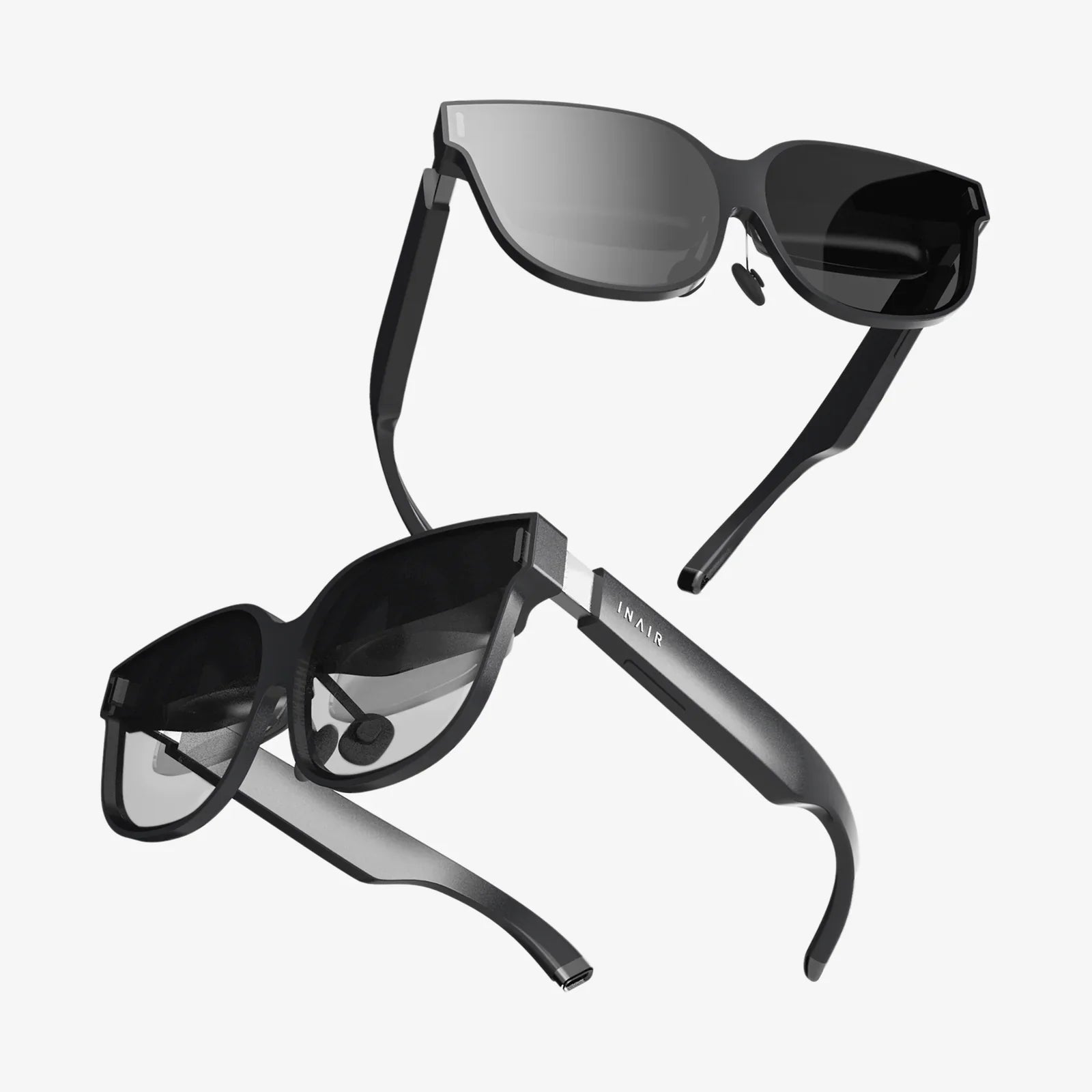
The long-anticipated maturation of AR eyewear will be the ultimate game-changer. As these devices become as socially acceptable and functionally capable as a pair of everyday glasses, they will move beyond niche industrial use and into the consumer mainstream. This will open vast new markets for Australian developers in social connection, navigation, entertainment, and personal productivity.
We can also expect to see the lines between the physical and digital worlds continue to blur with the development of the spatial web—an internet integrated into our environment. Australian companies are well-positioned to be key architects of this new layer of reality, creating persistent digital content anchored to specific locations, from historical information in a city park to interactive guides in a national museum.
For businesses, investors, and innovators, the message is clear: the Australian augmented reality sector is a hotbed of world-leading talent and innovation, poised for explosive growth. It represents a foundational shift in how we compute, communicate, and interact with the world around us. The digital frontier is no longer on a screen; it is all around us, and Australian developers are holding the map, leading the charge into a truly immersive future. The next decade will see Australian AR not just solving problems but creating entirely new categories of experience, firmly establishing the nation as a global leader in shaping the augmented age.
Share:
Where to Buy Android XR Glasses - Your Ultimate Guide to Sourcing the Future
How Augmented Reality is Reshaping Our World and Redefining Human Experience