


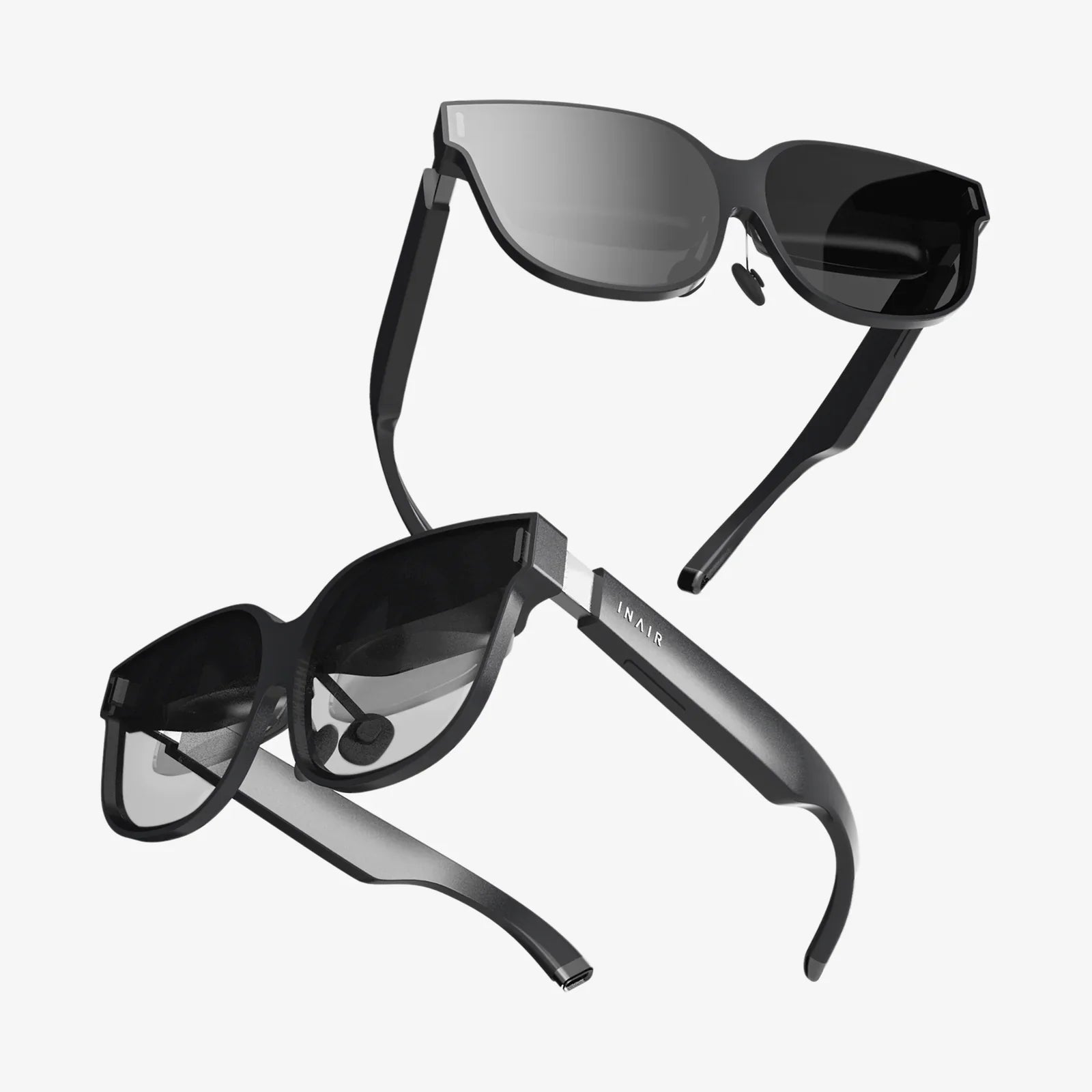
Imagine standing on the surface of Mars, your boots crunching on the red dust as you gaze at the pale sun. Picture yourself sitting front row at a concert happening on the other side of the world, the bass vibrating through your very being. Envision learning complex human anatomy by walking through a beating heart, or conquering a fear of heights from the safety of your own home. This isn't a glimpse into a distant future; it's the reality available today for anyone asking the question: why get a VR headset? The answer lies not in the technology itself, but in the doorways it opens—doorways to impossible places, profound experiences, and new ways of connecting with everything from entertainment to each other.
The Ultimate Escape: Entertainment Reimagined
For many, the initial and most powerful draw into virtual reality is entertainment. But this is not simply a new way to watch a movie or play a game; it's a fundamental shift from observing an experience to living inside of it.
Gaming That Puts You In The Game
Traditional gaming, no matter how graphically stunning, is an experience framed by a screen. You control a character, you watch a story unfold. VR gaming shatters that frame. When you put on a headset, you are no longer controlling a character; you are the character. Your physical movements—ducking behind cover, swinging a sword, reaching out to grab an object—are directly translated into the game world. This embodiment creates a level of immersion and presence that is simply unachievable through any other medium. The adrenaline rush of looking down from a virtual skyscraper ledge is visceral. The tension of hearing a monster creeping up behind you is heart-pounding. It transforms gaming from a hobby into an adventure.
A Front-Row Seat to the World
Beyond gaming, VR is revolutionizing how we consume media. Imagine watching a film not on a rectangle, but as if you are a ghost in the scene, able to look around and explore the environment the director created. 360-degree videos allow you to swim with whales, walk through ancient ruins, or stand in the midst of a protest, all with a profound sense of "being there." Major sporting events and music festivals are now broadcasting live in VR, offering a choice of camera angles and a social experience that makes you feel like you're in the stadium or in the crowd, cheering alongside friends from across the globe. It’s the difference between watching a travel documentary and actually visiting the destination.
Beyond the Solo Experience: The Social Revolution
A common misconception about VR is that it's an isolating technology. In reality, it's one of the most powerfully social technologies to emerge in recent years. It solves the fundamental problem of digital communication: the lack of presence.
Presence and Connection
Video calls are a poor substitute for sharing a physical space. They lack body language, a sense of shared environment, and the subtle nuances of human interaction. Social VR platforms create persistent virtual spaces—homes, theaters, game worlds, meeting rooms—where you and your friends, represented by expressive avatars, can gather. You don't just hear your friend's laugh; you see their avatar throw its head back. You can high-five, play virtual chess, watch a movie on a giant screen, or simply sit and talk as if you're in the same room, regardless of the physical miles between you. For families and friends separated by distance, it’s a tool for maintaining connection in a much richer, more human way.
Building Communities in New Worlds
This extends beyond existing friendships. VR is a incredible tool for finding your tribe. Whether your passion is Dungeons & Dragons, astronomy, language learning, or fitness, there are vibrant communities meeting in VR. You can join a group for virtual rock climbing, attend a lecture in a meticulously recreated historical setting, or collaborate with artists from around the world on a shared sculpture. These interactions foster a genuine sense of community and shared purpose, breaking down geographical and social barriers in a way that forums and chat rooms never could.
Unlocking Potential: Professional and Practical Applications
The value of VR extends far beyond the living room and into the boardroom, the classroom, and the operating room. For professionals and learners, it's a transformative tool for training, visualization, and collaboration.
Training Without Risk
Industries are leveraging VR to train employees in high-stakes, high-cost, or highly complex scenarios. Surgeons can practice delicate procedures on virtual patients without any risk. Mechanics can learn to repair the engine of a new aircraft model before it's even physically built. Police officers and soldiers can de-escalate tense situations in hyper-realistic simulations. This "learning by doing" in a safe, repeatable, and cost-effective virtual environment leads to better retention of skills and greater confidence when performing the task in the real world.
Visualization and Design
Architects, engineers, and designers are using VR to step inside their creations long before the first brick is laid. Instead of looking at blueprints or a 3D model on a screen, they can walk through a building at human scale, checking sightlines, identifying potential design flaws, and experiencing the space as a user would. This allows for iterative improvements that save immense time and resources. Similarly, medical students can study anatomy by exploring a full-scale, interactive human body, peeling back layers of muscle and bone in a way that a textbook could never illustrate.
The Remote Workspace of Tomorrow
As remote work becomes the norm, VR presents a compelling alternative to the grid of faces on a video call. Virtual meeting rooms can foster a much stronger sense of teamwork and collaboration. Colleagues can brainstorm around a virtual whiteboard, examine 3D models together, and share presentations in an immersive environment. This combats the isolation of remote work and can lead to more productive and engaging meetings than traditional teleconferencing allows.
Investing in Yourself: Fitness and Personal Growth
Perhaps the most surprising reason to get a VR headset is its profound impact on personal well-being. It has emerged as a powerful tool for physical fitness and mental health.
Fitness That Feels Like Fun
The biggest hurdle to regular exercise is often boredom. VR fitness completely obliterates this problem. A plethora of applications turn your workout into a game. You can slash flying boxes to the beat of music in a rhythm game that works your entire body, box against virtual opponents, or dance through intricate patterns. Because you are mentally engaged in the game, you often forget you're even exercising. The time flies by, and you're left with a full-body workout that was genuinely enjoyable. Built-in tracking allows you to monitor calories burned and progress over time, providing powerful motivation.
Conquering Fears and Finding Calm
VR is a controlled, safe environment, making it an ideal tool for exposure therapy. Therapists are using it to help patients overcome phobias—fear of flying, public speaking, heights, or spiders—by gradually and safely exposing them to their triggers. Patients can practice giving a speech to a virtual audience or stand on a virtual plank high above a city, all while knowing they are in complete safety. This controlled practice can lead to significant real-world improvements. Furthermore, VR can be a portal to tranquility. Meditation applications can transport you to a serene beach at sunset, a quiet forest, or even the edge of the galaxy, guiding you through mindfulness exercises in a deeply immersive and calming environment.
The Ever-Expanding Horizon
The evolution of VR is rapid and relentless. The technology is becoming more affordable, more comfortable, and more powerful with each generation. Wireless capabilities have untethered users from powerful computers, making the experience more accessible and freeing. Improvements in display resolution are eliminating the "screen door effect," making virtual worlds sharper and more believable. Haptic feedback vests and gloves are beginning to provide a sense of touch, further deepening the immersion. We are moving towards a future of full-body avatars with realistic eye and facial tracking, making social interactions even more nuanced and authentic. The line between the virtual and the physical will continue to blur, opening up applications we haven't even dreamed of yet.
So, why get a VR headset? It’s not about owning a piece of hardware. It’s about purchasing a passport. A passport to stand where no human has stood, to learn by doing instead of by seeing, to connect with others not through a screen but through shared presence, and to better yourself in ways that are both fun and profound. It is an investment in new experiences, new skills, and new perspectives. The question is no longer if you will step through this doorway, but when you will choose to turn the handle and see what’s on the other side.
Share:
Best MR Headset in India: Your Ultimate Guide to Navigating the Blended Reality Revolution
Upcoming VR Headset to Feature Three Revolutionary Technologies That Will Change Everything