


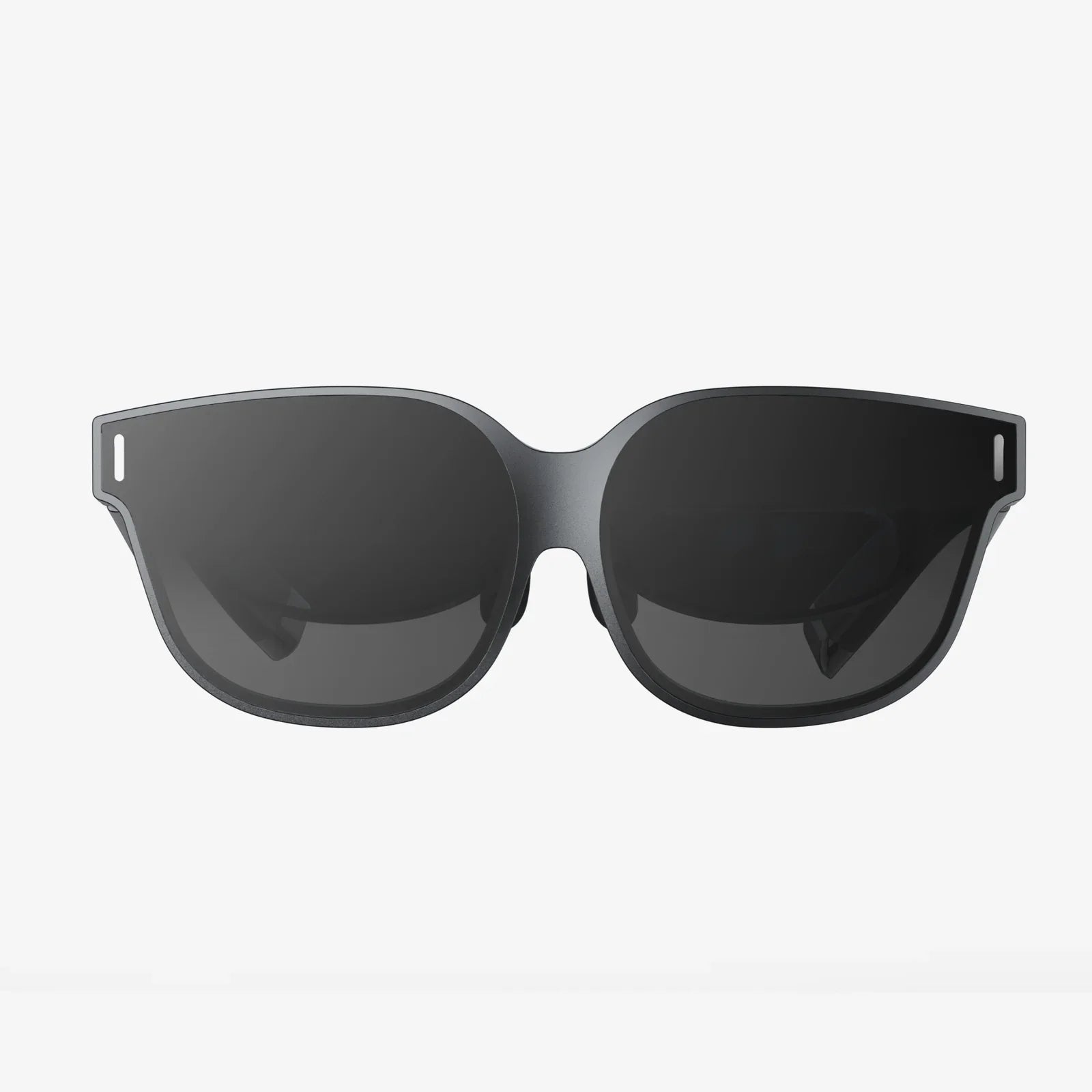
Imagine a world where the digital and the physical are not separate realms but a continuous, intertwined experience. This is the promise of Extended Reality (XR), a term encompassing Virtual Reality (VR), Augmented Reality (AR), and Mixed Reality (MR). Once the stuff of futuristic movies and niche gaming, XR is now poised at the precipice of mass adoption, seeping into every facet of our lives, from how we work and learn to how we connect and play. The question is no longer if XR will redefine our reality, but why it has happened now and what forces have conspired to bring this once-fantastical technology to our doorstep.
The Perfect Storm: A Convergence of Enabling Technologies
XR is not a standalone invention; it is the culmination of decades of advancement across multiple technological frontiers. Its recent ascent can be directly attributed to a powerful synergy between these fields.
The Computational Power Leap
At its core, XR is a computationally monstrous endeavor. Creating convincing, immersive environments requires rendering complex 3D graphics in real-time, at high resolutions and frame rates to avoid user discomfort. For years, the necessary processing power was confined to supercomputers or cumbersome, expensive rigs. The advent of powerful, miniaturized processors has changed everything. These chips, often designed with parallel processing specifically for graphics and AI workloads, can now fit into sleek headsets and even our smartphones, delivering the performance needed for smooth, believable XR experiences. This democratization of compute is the bedrock upon which modern XR is built.
The Sensory Revolution: Displays and Optics
If processors are the brain of XR, then displays and optics are its eyes. Early VR suffered from the "screen door effect"—visible lines between pixels that shattered immersion. Today, high-resolution micro-OLED and LCD displays offer pixel densities so high that the virtual world appears sharp and continuous. Furthermore, breakthroughs in pancake lenses have made headsets significantly lighter and more compact by folding the optical path, enhancing comfort for prolonged use. These advancements in visual fidelity are critical for convincing our brains that what we are seeing is real.
Beyond Sight: The Rise of Haptics and Spatial Audio
True immersion is multi-sensory. XR has expanded beyond visual trickery to engage our sense of touch and hearing. Haptic feedback technology, from simple controllers that rumble to advanced gloves and vests that simulate pressure, texture, and impact, adds a tangible layer to digital interactions. Equally important is spatial audio—sound technology that mimics how we hear in the real world. A virtual bee doesn't just buzz; it buzzes from the left and moves behind you, creating a 360-degree soundscape that is crucial for presence and situational awareness. This multi-sensory approach is why XR feels fundamentally different from staring at a flat screen.
The Invisible Engine: Artificial Intelligence and Machine Learning
Artificial Intelligence (AI) is the silent, intelligent force supercharging XR. Machine learning algorithms are essential for:
- Inside-Out Tracking: Modern headsets use AI-powered computer vision to understand their environment in real-time, mapping the room and tracking the user's position without external sensors. This is known as inside-out tracking, and it enables true freedom of movement.
- Gesture and Eye Tracking: AI algorithms can accurately interpret hand gestures, finger movements, and even eye gaze, allowing for intuitive, controller-free interaction with the digital world. This makes XR more accessible and natural.
- Content Generation and Realism: AI can generate realistic textures, animations, and even entire environments, reducing the cost and time required to create compelling XR content.
The Pandemic Catalyst: Accelerating a Remote World
While technology laid the groundwork, global events acted as a powerful accelerant. The COVID-19 pandemic forced a mass experiment in remote work, education, and socializing. Overnight, the limitations of video conferencing became glaringly apparent—a grid of faces on a screen is a poor substitute for shared presence. This "Zoom fatigue" created a desperate hunger for more engaging and collaborative remote interaction. Enterprises suddenly saw immense value in XR for:
- Remote Collaboration: Instead of looking at a 3D model on a screen, distributed engineering teams could gather around a life-sized, virtual prototype, examining it from all angles and making annotations in real-time as if they were in the same room.
- Virtual Training: From training surgeons on virtual procedures to teaching mechanics how to repair new equipment, XR enabled safe, scalable, and effective training without the need for physical travel or expensive machinery.
- Digital Twins: Companies began creating virtual replicas (digital twins) of factories, supply chains, and buildings. Using XR, managers could "walk through" these models to monitor operations, simulate changes, and troubleshoot problems remotely.
The pandemic didn't create these use cases, but it proved their necessity and viability to a skeptical corporate world, unlocking massive investment and urgency.
The Economic Imperative: New Frontiers for Business
Beyond necessity, pure economic opportunity is a primary driver. The potential value creation of XR is staggering, projected to be a multi-hundred-billion-dollar market within this decade. This economic imperative is fueling a gold rush across three key areas:
The Metaverse Vision
While the concept is often overhyped, the underlying idea of a persistent, interconnected network of 3D virtual spaces is a powerful economic engine. XR is the primary gateway to this envisioned metaverse. It offers the immersion necessary to make digital land, goods, and experiences feel valuable. The race is on to build the platforms and infrastructures that will host future digital economies, from virtual real estate and concerts to NFT-based avatars and clothing.
Transforming Retail and Commerce
XR is solving tangible problems for consumers and retailers. Augmented Reality apps allow you to see how a sofa will look in your living room, how a pair of glasses will fit your face, or even how a new shade of paint will transform your walls before you buy. This "try before you buy" functionality reduces purchase anxiety and product return rates, creating a clear win-win. This practical application is driving rapid adoption in the e-commerce sector.
Revolutionizing Design and Prototyping
In industries like automotive, aerospace, and architecture, prototyping physical models is incredibly time-consuming and expensive. XR allows designers and engineers to create, iterate, and test designs in a virtual space. They can experience the scale of a building before ground is broken or examine the ergonomics of a car's interior without crafting a single physical piece. This dramatically accelerates development cycles and reduces costs, providing a undeniable return on investment.
The Cultural and Social Shift: A Generation Ready to Immerse
Technology is only adopted if a society is ready to accept it. A crucial, often overlooked reason for XR's rise is a fundamental cultural shift. A generation has grown up not just playing immersive 3D video games but living parts of their social lives within them. Platforms like Roblox and Fortnite are not just games; they are virtual hangout spaces where millions gather for concerts, events, and simply to be with friends. For this demographic, the jump from a screen-based virtual world to a fully immersive XR one is a small, natural step. The concept of a digital identity and digital presence is already normalized, removing a significant psychological barrier to adoption.
Overcoming the Hurdles: The Path to Mainstream
The journey is not without significant challenges. For XR to achieve true ubiquity, it must overcome hurdles like hardware affordability, user comfort during extended sessions, and the development of a truly compelling "killer app" beyond gaming. However, the trajectory is clear. The technological pillars are in place, the economic incentives are powerful, and the cultural readiness is growing. What was once a fragmented collection of cool gadgets is now coalescing into a coherent platform for the next era of human-computer interaction.
The door to entirely new worlds and enhanced ways of interacting with our own is now open. The convergence of hardware, software, and global necessity has finally provided the answer to the question of 'why now,' setting the stage for a future where our reality is limited only by our imagination. The next great digital shift isn't coming; it's already here, and it's waiting for you to put on a headset and step through.
Share:
What Is The Best Quality VR Headset - A Deep Dive Into Premium Immersion
AI Glasses vs Smart Glasses: The Ultimate Guide to the Future on Your Face