


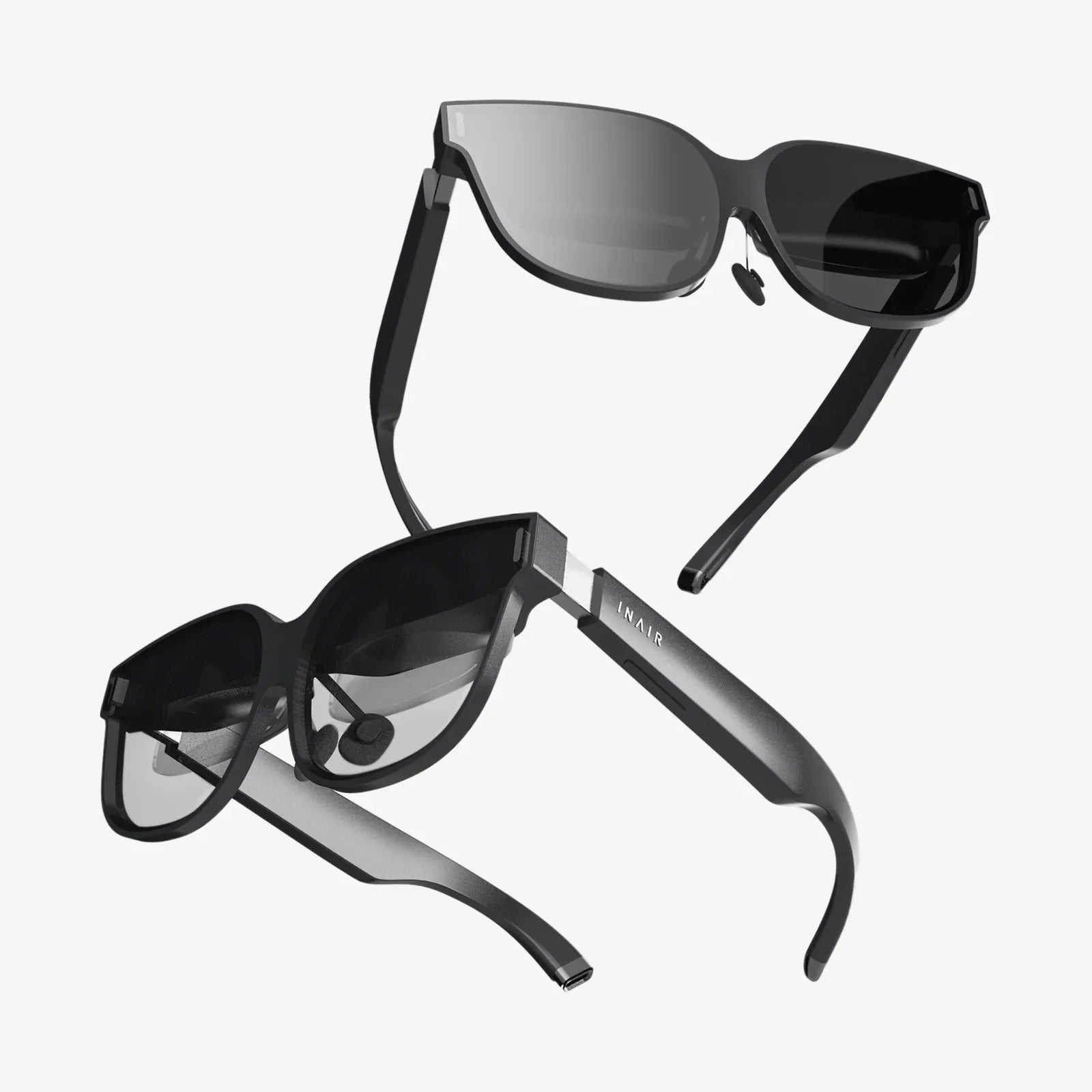
Imagine a world where the boundaries of physical space dissolve, where a woman can stand on the surface of Mars, perform a complex surgical procedure for the first time without risk, or reunite with a lost loved one in a memory-perfect digital garden. This is no longer the stuff of science fiction; it is the emerging reality for a growing number of women using VR headsets. This silent revolution, happening in living rooms, offices, and labs around the globe, is fundamentally altering not just how women play and consume media, but how they connect, heal, learn, and create. The image of a woman using a VR headset is becoming an iconic symbol of a profound shift in human-computer interaction, one that promises to empower and transform lives in ways we are only beginning to understand.
Beyond the Stereotype: More Than Just a Gaming Peripheral
For too long, the narrative around immersive technology was narrowly focused on a specific demographic: the hardcore gamer. This created a pervasive, though inaccurate, stereotype that virtual reality was a male-dominated domain. However, the landscape is changing rapidly. Women are not just participating in this new digital frontier; they are actively shaping it. The act of a woman using a VR headset today signifies a break from that outdated trope. She could be an architect walking a client through an unbuilt home, a therapist guiding a patient through exposure therapy for anxiety, a fitness enthusiast boxing in a virtual gym, or an artist sculpting in three-dimensional space. The headset is a portal, and its use cases are as diverse and multifaceted as women themselves.
The adoption of this technology by women is driven by a desire for deeper, more meaningful experiences. It’s about agency and presence. In a virtual environment, the distractions of the physical world fade away, allowing for intense focus and immersion. This is particularly powerful for women seeking communities and connections free from the often-toxic environments found in some traditional online spaces. Virtual worlds and social VR platforms offer new ways to interact, socialize, and form bonds based on shared interests and experiences rather than physical appearance or geographic location.
Building Bridges and Fostering Community in Virtual Spaces
One of the most significant impacts of VR for women is its power to create genuine community. Social VR platforms have become digital town squares where people can gather, attend concerts, watch movies, or simply chat around a virtual campfire. For women, especially those who may feel isolated due to life circumstances, location, or social anxiety, these spaces can be a lifeline.
The sense of embodiment—the feeling that your digital avatar is your own body—is a key differentiator from traditional screen-based social media. When a woman using a VR headset makes eye contact with a friend’s avatar, uses hand gestures to emphasize a point, or shares a virtual high-five, the interaction carries a weight and authenticity that a text message or even a video call cannot replicate. This fosters empathy and deepens relationships. Women are founding and leading communities within these spaces, creating safe and inclusive environments for networking, support groups, and professional collaboration. They are building worlds, both literally and figuratively, that reflect their values and visions for connection.
A New Dimension of Wellness and Self-Care
The application of VR for health and wellness represents a monumental leap forward, and women are at the forefront of both providing and receiving these transformative experiences. The field of mental health, in particular, has been revolutionized by immersive technology.
Therapists are now using VR for exposure therapy, carefully constructing controlled virtual environments to help patients safely confront and manage phobias, PTSD, and social anxieties. For a woman struggling with a fear of flying, she can gradually experience the sights and sounds of an airport and airplane cabin from the safety of her therapist’s office. For those dealing with stress and burnout, guided VR meditations can transport them to a serene beach or a quiet forest glade, offering a level of escapism and mindfulness that is profoundly effective. The technology allows for biofeedback integration, where a user’s heart rate and breathing can influence the virtual environment, teaching tangible self-regulation skills.
Furthermore, the fitness industry has been utterly transformed. VR fitness applications have turned exercise into an engaging adventure. Instead of monotonous routines, a woman using a VR headset can find herself rhythmically slicing through blocks of light to energetic music, dancing in a fantastical club, or mastering boxing combats against digital opponents. This gamification of fitness has proven incredibly effective at increasing motivation and adherence to workout regimens, making health goals more accessible and enjoyable to achieve.
Transforming Education and Professional Development
In the realms of education and professional training, VR is providing unparalleled opportunities for skill acquisition and mastery. The principle of "learning by doing" is supercharged in an immersive environment. For women entering or advancing in fields that have traditionally presented barriers, VR serves as a powerful equalizer.
Consider medical training: a student can practice a delicate surgical procedure dozens of times, making mistakes and learning from them without any risk to a patient. She can explore the human body in intricate 3D detail, walking through a giant heart or examining the layers of the brain. In corporate settings, VR is used for soft skills training, such as public speaking and leadership. A woman can practice delivering a keynote speech to a virtual audience, receiving feedback on her pace, eye contact, and body language. This builds confidence and competence in a low-stakes, repeatable environment.
For technical fields like engineering or architecture, VR enables designers and clients to step inside their creations before a single physical resource is expended. A female engineer can inspect a full-scale 3D model of a complex machine, identifying potential design flaws intuitively. This not only enhances understanding but also empowers women to lead and collaborate with greater authority and insight.
The Canvas of Creation: Art, Storytelling, and Design
Perhaps one of the most beautiful applications of VR is as a medium for artistic expression. A new generation of female artists, filmmakers, and designers is emerging, using immersive technology to tell stories and create experiences that were previously impossible. VR art applications allow creators to step inside their canvas, painting and sculpting in three dimensions with an intuitive sense of scale and space.
These tools are democratizing creation. You don’t need a expensive studio or physical materials; all you need is a headset and imagination. Female artists are crafting breathtaking virtual sculptures, designing immersive narrative experiences that place the viewer at the center of the story, and building interactive installations that explore themes of identity, nature, and society. This medium allows for a deeply personal and emotional connection between the creator and the audience, breaking down the fourth wall and inviting the viewer to become a participant in the art itself. It is a frontier of human expression, and women are pioneering its language and form.
Navigating the Challenges and Looking to the Future
Despite its immense potential, the path forward is not without its challenges. Issues of accessibility, cost, and technological comfort remain barriers to widespread adoption. Concerns about privacy, data security, and the potential for harassment in social VR spaces are serious and require ongoing vigilance and robust safety tools designed with diverse users in mind. The industry must continue to prioritize the development of hardware that is comfortable for a wider range of body types and to create content that reflects a truly diverse audience.
However, the trajectory is clear. The future of a woman using a VR headset is one of increasing integration into daily life. We are moving towards a blend of physical and digital realities—a "metaverse"—where these headsets will become as commonplace as smartphones. They will be lighter, more powerful, and more intuitive, further erasing the line between the real and the virtual. This future will be shaped by the women who are using the technology today: the developers, the artists, the therapists, the educators, and the explorers. Their experiences and innovations are ensuring that this new world is built to be inclusive, empowering, and rich with human connection.
The flicker of light from a VR headset is a beacon, signaling a journey into uncharted territory. It’s an invitation to redefine possibility, to build empathy across distances, and to experience the full spectrum of human emotion in worlds of our own making. For the woman who answers that call, the headset is no longer just a device; it is a key to unlocking new dimensions of her own potential, a tool for crafting a reality limited only by the breadth of her imagination.
Share:
VR Headset Battery Life Comparison: The Ultimate Guide to Power and Playtime
Best VR Headset with Finger Tracking: A Deep Dive into the Ultimate Immersion