


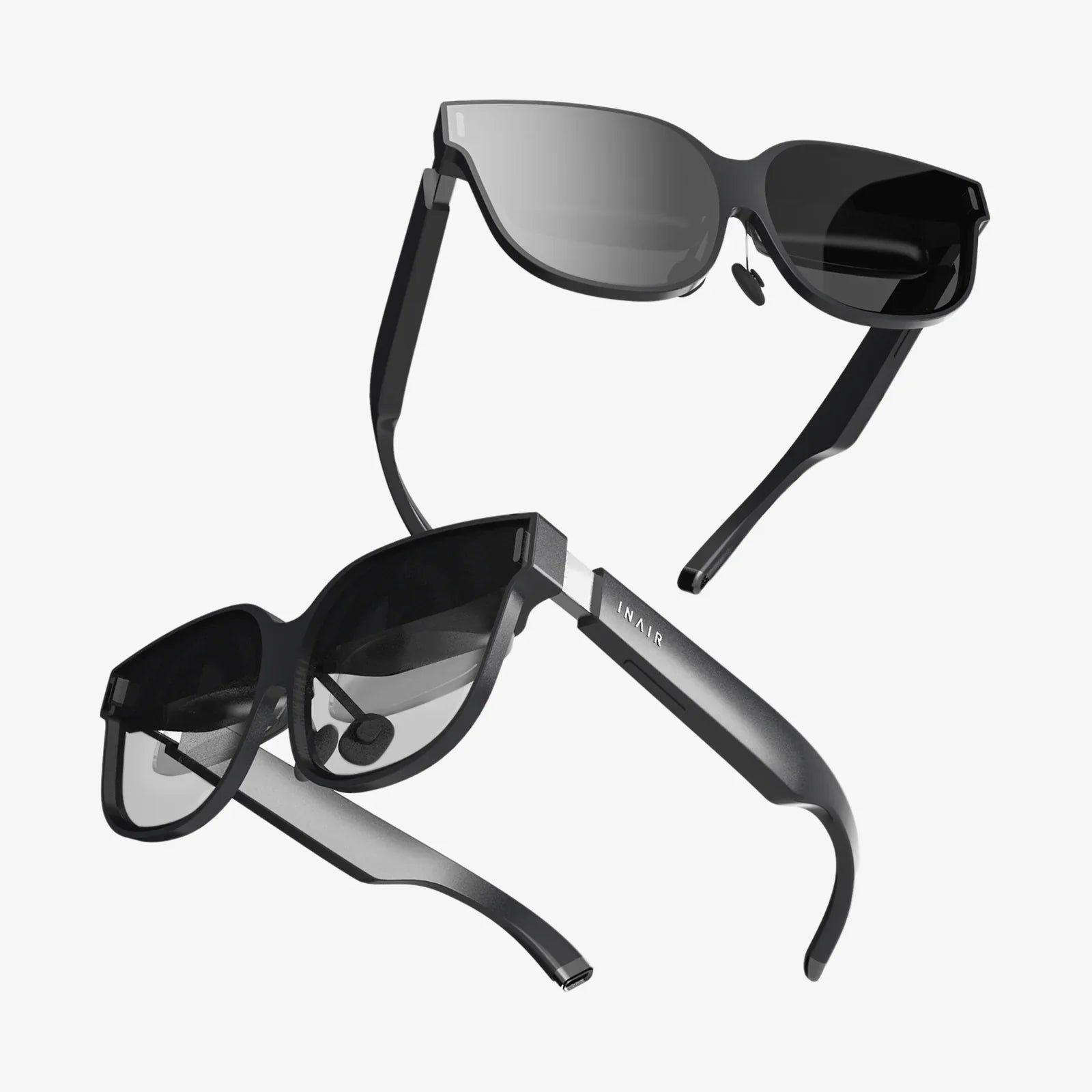
The digital and physical realms are colliding, and the front page of this revolution is written in XR mixed reality news. No longer confined to the realms of science fiction, mixed reality (MR) is rapidly evolving from a novel concept into a tangible tool reshaping industries, igniting creativity, and redefining human connection. Every day, new developments push the boundaries of what's possible, signaling a future where our interaction with technology is more intuitive, immersive, and integrated than ever before. For those watching the space, the stream of innovation is both exhilarating and indicative of a profound shift in our technological landscape.
The Expanding Universe of Mixed Reality
To understand the current news cycle, one must first grasp what sets mixed reality apart. It exists on a spectrum of immersive technologies often grouped under the umbrella term Extended Reality (XR). On one end, Virtual Reality (VR) immerses users in a completely digital environment, occluding the physical world. On the other, Augmented Reality (AR) overlays digital information onto the real world through a screen, like on a smartphone. Mixed reality is the sophisticated middle ground. It doesn't just overlay digital content; it anchors it to and allows interaction with the physical world in real-time. Using advanced sensors, cameras, and often powered by artificial intelligence, MR devices understand the geometry of a room, allowing digital objects to be occluded by real-world furniture, to cast shadows, and to respond to a user's physical context.
This capability to blend realities seamlessly is what makes MR such a powerful and newsworthy technology. It’s the difference between seeing a dinosaur model through your phone’s camera (AR) and having a life-sized, photorealistic dinosaur stomp through your living room, its feet impacting the floor as it roars, with you able to walk around it and inspect it from every angle (MR).
Headlines from the Frontlines: Enterprise and Productivity
A significant portion of recent XR mixed reality news has been dominated by its adoption in enterprise and industrial settings. The return on investment here is clear and compelling, driving widespread implementation.
- Remote Assistance and Collaboration: Top headlines feature global companies using MR to overcome geographical barriers. Experts can now provide real-time, hands-on guidance to field technicians thousands of miles away. Through MR glasses, a remote expert can see the technician's field of view, annotate the physical machinery with digital arrows, diagrams, and text, and guide them through complex repair procedures. This drastically reduces downtime, travel costs, and error rates, making it a staple news topic in manufacturing, energy, and healthcare sectors.
- Design and Prototyping: Engineering and architecture firms are making waves by integrating MR into their design workflows. Instead of viewing 3D models on a 2D screen, architects and engineers can step inside a full-scale prototype of a building or a new product engine. They can inspect assemblies, identify potential design clashes before physical production begins, and make collaborative decisions in a shared virtual space, saving millions in prototyping costs and accelerating time to market.
- Training and Simulation: From training surgeons for complex procedures to preparing astronauts for space missions, MR is creating safer, more effective, and highly scalable training environments. Trainees can practice on interactive digital twins of expensive equipment or dangerous scenarios without any real-world risk. News outlets frequently cover how this technology is upskilling workforces in high-stakes industries, providing measurable improvements in competency and confidence.
Creative Expression and Storytelling Reimagined
Beyond the boardroom, XR mixed reality news is filled with breathtaking stories of artistic innovation. The technology is unlocking new forms of narrative and expression that were previously impossible.
- Immersive Art and Exhibitions: Museums and artists are leveraging MR to create dynamic, interactive exhibitions. Static paintings can come to life, historical figures can tell their stories in the room with you, and sculptures can transform and evolve based on viewer interaction. This creates deeply personal and memorable cultural experiences, a trend frequently highlighted in arts and culture news sections.
- The Future of Entertainment: Filmmakers and game developers are exploring MR as the ultimate storytelling medium. Imagine a horror game where the monster is not just on a screen but hiding in your actual hallway, or a narrative experience where the story unfolds within the layout of your own home. These are the types of projects beginning to generate buzz, pointing towards a future where entertainment is not just watched but physically inhabited.
The Hardware Arms Race and Software Evolution
The engine of this progress is the constant innovation in both hardware and software, a primary source of tech news. The journey towards sleek, powerful, and affordable MR devices is a central narrative.
Early headsets were often bulky, tethered to powerful computers, and had limited field of view. Today, the news is abuzz with advancements in standalone headsets, powered by increasingly sophisticated mobile processors. Key areas of development include:
- Visual Fidelity: Improvements in micro-OLED displays and pancake lenses are delivering higher resolutions, wider fields of view, and more vibrant colors, enhancing the sense of immersion and making digital objects indistinguishable from real ones.
- Spatial Mapping and Tracking: News from tech giants often details new sensor suites featuring high-resolution cameras, LiDAR scanners, and depth sensors. These technologies work in concert to create a millimetre-accurate understanding of the user's environment instantly, which is the foundational magic of MR.
- User Interaction: The evolution of input methods is crucial. News covers everything from advanced hand-tracking that allows users to manipulate digital objects with their bare hands to haptic feedback gloves that simulate the sense of touch, bringing a new layer of realism to interactions.
- The Software Ecosystem: Hardware is nothing without software. The growth of development platforms and engines that support MR creation is a critical piece of news. These tools are becoming more accessible, allowing a broader range of developers and creators to build experiences, which in turn fuels content creation and adoption.
Navigating the Challenges: The Crucial Conversations
Responsible coverage of XR mixed reality news also involves addressing the significant challenges and ethical questions that accompany this technology. Ignoring these aspects would provide an incomplete picture.
- Privacy and Data Security: MR headsets are, by their nature, data collection powerhouses. They have multiple cameras and sensors constantly scanning and mapping the most intimate spaces: our homes and offices. News investigations rightly question how this data is stored, used, and protected. The potential for unprecedented surveillance raises serious concerns that developers and regulators are only beginning to grapple with.
- Social and Psychological Impact: As the line between real and virtual blurs, what are the long-term effects on human psychology and social interaction? Will widespread MR use lead to further isolation, or will it forge new, meaningful connections? These are profound questions being explored by sociologists and ethicists, and they are increasingly finding a place in mainstream news discourse.
- The Accessibility Gap: High cost remains a significant barrier to entry for consumers. News analysis often focuses on the economic divide, questioning how to ensure this transformative technology does not become a privilege for the few, exacerbating existing digital divides.
Glimpsing the Horizon: What's Next for Mixed Reality?
The most exciting XR mixed reality news often looks to the future, speculating on the next paradigm shift. Current research and development point towards several thrilling possibilities.
- The Quest for True Form Factors: The ultimate goal remains a device that is as socially acceptable and comfortable to wear as a pair of everyday glasses. News from research labs teases prototypes of ultra-thin holographic waveguides and laser-based projection systems that could eventually make today's headsets look archaic.
- The AI Integration: The fusion of MR with generative AI is set to be the next major news cycle. Imagine an AI assistant that doesn't just live in a speaker but can manifest as a digital avatar in your space, helping you cook by identifying ingredients and suggesting recipes, or helping you learn a skill by projecting instructions onto your workbench.
- The Spatial Internet: Many believe MR will evolve into the primary interface for the next iteration of the internet: the spatial web. Instead of browsing pages on a screen, we will navigate information and services anchored in the world around us. This concept of a pervasive, contextual digital layer over our reality is a constant source of speculation and excitement in tech journalism.
The narrative unfolding in XR mixed reality news is not just about better gadgets; it's about a fundamental reimagining of our relationship with computation. It's a story of the physical world becoming a living, interactive interface, brimming with context, information, and magic. The headlines we see today—the enterprise solutions, the creative experiments, the ethical debates—are merely the first chapters. As the technology becomes more powerful, affordable, and integrated into the fabric of society, its impact will only deepen, ensuring that the news cycle will continue to be dominated by the thrilling, complex, and world-bending developments of mixed reality. The fusion of our atoms and bits is underway, and staying informed is the first step into this new, blended world.
Share:
Augmented Reality Learning Tablet: Merging Digital and Physical Worlds for Education
VR Reality PC: The Ultimate Guide to Building Your Virtual World