


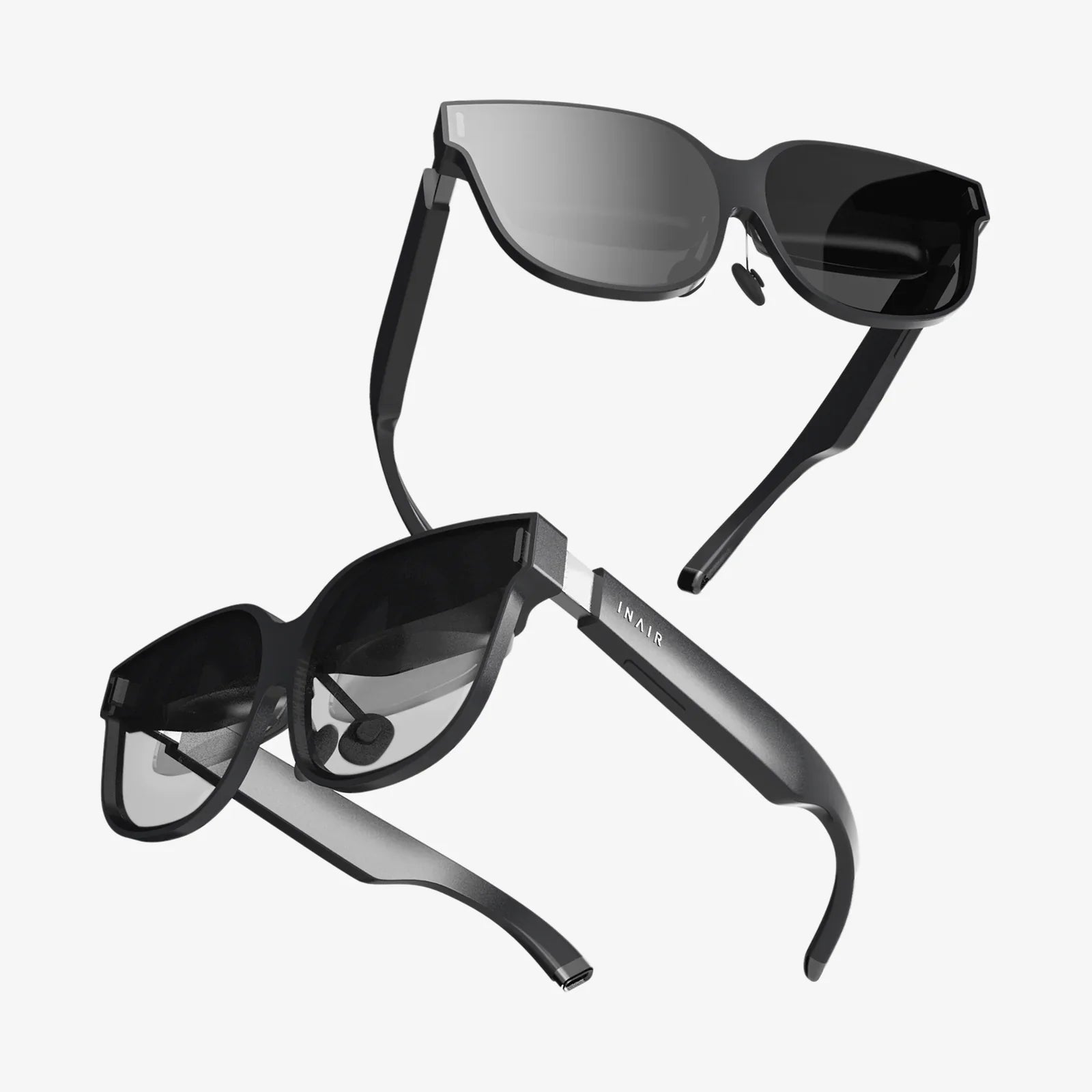
Imagine a world where you can be anyone, go anywhere, and experience anything, all from the comfort of your living room. This is the seductive promise of virtual reality, a technology so compelling that for a growing number of users, the line between the digital and the physical is not just blurred—it’s been erased. The pull of these meticulously crafted worlds is powerful, tapping into our deepest desires for connection, achievement, and escape. But what happens when this captivating escape becomes a cage? When the quest for digital fulfillment leads to the neglect of a tangible life? This is the stark reality for those who find themselves addicted to virtual reality, a modern dilemma unfolding on the frontier of human experience.
The Psychology of the Pull: Why VR is So Compelling
To understand addiction to virtual reality, one must first appreciate its unique power. Unlike traditional screen-based media, VR is not something you watch; it is something you inhabit. This fundamental difference is rooted in two key concepts: immersion and presence.
Immersion refers to the technical aspects of the system—the high-resolution displays, the wide field of view, the precise head-tracking, and the spatial audio—that work in concert to shut out the physical world and replace it with a digital one. The technology effectively hijacks our senses, creating a convincing facsimile of reality.
Presence, often described as the "holy grail" of VR, is the psychological outcome of immersion. It is the undeniable, gut-level feeling of being there. When a user feels presence, their brain, despite knowing better on a logical level, reacts to the virtual environment as if it were real. This triggers a profound emotional and physiological response. The heart races during a virtual horror experience; a user might lean cautiously over a virtual precipice, feeling a genuine rush of vertigo.
This potent combination activates the brain's reward system with an intensity that flat screens cannot match. Game mechanics are a primary driver here:
- Variable Ratio Reinforcement: This is the same powerful psychological principle that makes slot machines so addictive. Rewards (like loot drops, experience points, or rare items) are given out at unpredictable intervals. The brain learns that the next moment of excitement could be just around the corner, fueling compulsive engagement.
- Unlimited Environments: VR offers an endless stream of novelty. Once a user has exhausted one world, game, or social space, another is instantly available. This eliminates the natural satiation point that occurs with other activities.
- Embodied Avatars: The ability to see and control a virtual body strengthens the connection to the digital self. Achievements and social interactions in VR feel more personal and impactful because they happen to a representation of oneself that one directly controls.
Beyond Gaming: The Many Faces of VR Addiction
While immersive games are a significant vector for compulsive use, the addiction potential of VR extends far beyond them. The technology is a gateway to various forms of digital fulfillment, each with its own addictive profile.
The Social VR Addict: For some, the primary draw is not a game but other people. Social VR platforms create persistent digital spaces where users can gather, talk, watch movies, create art, or just exist together. For individuals struggling with social anxiety, physical isolation, or difficulty forming connections in the real world, these spaces offer a seemingly safe and controlled environment. The avatar provides a layer of anonymity that can feel liberating, allowing users to project an idealized version of themselves. The danger arises when these digital relationships begin to supersede real-world ones, leading to a withdrawal from physical social circles and a dependence on virtual validation.
The Escapist: VR is the ultimate tool for escape. Whether from stress, trauma, boredom, or dissatisfaction with one's life, slipping on a headset offers an immediate exit. A stressful day at work can be washed away by an hour exploring a serene alien planet. Loneliness can be numbed by joining a bustling virtual nightclub. This form of use becomes problematic when it evolves from a occasional coping mechanism into a primary, default strategy for dealing with negative emotions. The user ceases to address the root problems of their real life, instead seeking constant refuge in the virtual, which only allows those real-world issues to fester and grow.
The Perfectionist and the Achiever: Many VR experiences are built around mastery and completion. This can manifest in climbing daunting virtual peaks, mastering a complex musical instrument simulation, or completing a collection of digital artifacts. The compulsive need to "100% complete" a experience, to rise to the top of a leaderboard, or to perfect a skill can lead to obsessive play sessions, often at the expense of sleep, health, and real-world responsibilities.
The Ripple Effect: Consequences on the Individual and Society
The impact of VR addiction is not contained within the headset; it radiates outward, affecting the user's mind, body, and relationships.
Physical and Mental Health
Prolonged and compulsive VR use carries tangible health risks. Simulator sickness, a form of motion sickness, remains a common issue for many. Eye strain and headaches can result from long sessions focusing on fixed-depth displays. Perhaps more insidiously, a sedentary lifestyle is encouraged, potentially leading to musculoskeletal problems, weight gain, and cardiovascular issues.
Mentally, the consequences can be severe. A heavy dependence on VR can exacerbate underlying mental health conditions like anxiety and depression. The contrast between a perfect, controllable virtual world and a messy, unpredictable real one can make reality seem increasingly dull and unsatisfying, a phenomenon some researchers call a "reality gap." This can lead to increased irritability, apathy, and social withdrawal when not using the technology. In extreme cases, users may experience depersonalization or derealization, a persistent feeling of being detached from one's own body or surroundings.
Erosion of Real-World Connections
The most commonly reported casualty of VR addiction is the user's real-world social life. Relationships with family, partners, and friends require time and emotional energy—resources that are being diverted into the virtual world. Partners may feel neglected and lonely, becoming "VR widows." Friendships may atrophy from lack of maintenance. The user, deeply invested in their digital life, may fail to notice this erosion until the damage is significant, often responding with defensiveness rather than recognition of the problem.
Neglect of Responsibilities
As with any behavioral addiction, real-world obligations are often the first thing to be sacrificed. Performance at work or school can decline due to fatigue, distraction, and a lack of focus. Household chores and personal hygiene may be neglected. Financial responsibilities can also suffer if the addiction leads to spending on new experiences, hardware upgrades, or microtransactions within virtual platforms.
Navigating the Virtual Labyrinth: Strategies for Healthy Engagement
Labeling VR as inherently dangerous is neither accurate nor helpful. The technology holds immense potential for education, therapy, remote collaboration, and pure entertainment. The goal is not abstinence, but mindful and balanced use. For those concerned about their habits or those of a loved one, several strategies can help restore equilibrium.
- Self-Audit and Awareness: The first step is honest self-reflection. Track your usage time. Notice how you feel before, during, and after a VR session. Are you using it to enhance your life or to escape from it? Are you neglecting important duties? Answering these questions honestly is crucial.
- Implement Digital Boundaries: Use built-in device timers to schedule breaks and enforce session limits. Designate specific times of day for VR use and stick to them. Crucially, make the bedroom a VR-free zone to protect sleep hygiene.
- Anchor Yourself in Reality: Actively schedule and prioritize real-world activities. Commit to social engagements, exercise outdoors, pursue offline hobbies, and set concrete real-world goals. Use VR as a reward after these responsibilities are met, not as a replacement for them.
- Mindful Consumption: Be intentional about what you consume in VR. Choose experiences that leave you feeling energized and positive rather than drained and agitated. Curate your social circles to avoid toxic environments.
- Seek Professional Help: If attempts to self-regulate consistently fail and VR use is causing significant distress or impairment, it may be time to seek help. Therapists, particularly those specializing in behavioral addictions or cognitive behavioral therapy (CBT), can provide effective tools and strategies for managing compulsive behavior.
The Road Ahead: A Shared Responsibility
The challenge of VR addiction is not one that individuals must face alone. It is a societal issue that requires a multi-faceted response. Developers and platform creators have an ethical responsibility to design with well-being in mind. This includes implementing robust and non-intrusive well-being tools, avoiding predatory monetization schemes that exploit psychological vulnerabilities, and funding research into the long-term effects of their technology.
Policymakers and educators need to foster digital literacy that goes beyond simple internet safety, teaching critical thinking about immersion, presence, and the persuasive design of virtual environments. Public health discussions must expand to include behavioral addictions to technology.
Ultimately, we stand at a new frontier. Virtual reality offers a glimpse into a future of incredible experiences and connections. But like any powerful tool, it demands respect. The true challenge lies not in building more realistic worlds, but in ensuring we never lose sight of the one that truly matters—the one that awaits us when we finally take the headset off.
The line between a captivating hobby and a life-disrupting addiction is thinner than the cable on a headset. As these digital realms become ever more persuasive, the most critical skill we must develop is the ability to log out, not just from the simulation, but from the compulsion that keeps us yearning for it. The future of human experience may be virtual, but its foundation must remain irrevocably, wonderfully real.
Share:
Multifunctional Smart Zoom Glasses: The Next Frontier in Personal Augmentation
AR Glasses UK: The Ultimate Guide to Augmented Reality in Britain