


Imagine a world where your watch doesn't just tell time, but tells you something is wrong before you feel it. Where your headphones don't just play music, but translate a foreign conversation in real-time, or your ring can sense a shift in your emotional state and suggest a moment of calm. This is not a glimpse into a distant future; it is the burgeoning reality of AI wearable devices, a technological convergence that is quietly but profoundly reshaping the very fabric of our daily existence. From passive data collectors to proactive, intelligent partners, these devices are becoming the most personal gateways to a new era of augmented humanity.
The Evolution: From Pedometer to Prognosticator
The journey of wearable technology is a story of miniaturization and intelligence. The earliest devices were simple pedometers, counting steps through a mechanical sensor. The next wave introduced connectivity, syncing basic fitness metrics like heart rate and sleep duration to a smartphone app. This was the era of data collection—vast, often uncontextualized streams of numbers. The true revolution, however, began with the integration of sophisticated artificial intelligence and machine learning algorithms. AI transformed these gadgets from dumb sensors into smart systems.
Modern AI wearables are defined by their on-device processing power. Instead of merely sending raw sensor data to the cloud for analysis, they now house specialized neural processing units (NPUs) and microchips capable of running complex algorithms locally. This shift is critical for two reasons: speed and privacy. Real-time analysis, such as detecting a fall or an irregular heart rhythm, requires instantaneous response—there's no time for a round trip to a server. Furthermore, processing sensitive health data directly on the device, a concept known as edge computing, minimizes the exposure of personal information, a paramount concern for users.
This intelligence allows them to move from describing what happened to predicting what might happen next. They don't just report that you slept poorly; they analyze sleep stages, heart rate variability, and body temperature to suggest a cause and recommend an adjustment to your evening routine. They are no longer just trackers; they are prognosticators and personal advisors.
The Hardware Ecosystem: More Than Just a Wristwatch
While smartwatches and fitness bands dominate the market, the form factor of AI wearables is rapidly expanding, each offering a unique vantage point on the user's life.
- Smartwatches and Fitness Bands: The workhorses of the category, worn on the wrist, providing constant access to a suite of sensors for health, fitness, and notification management. They are the central hub for many users' digital lives.
- Smart Rings: Gaining popularity for their discreet, continuous wearability. Rings can house impressive sensors for sleep tracking, activity monitoring, and even contactless payments, all while being unobtrusive enough to wear 24/7, even while sleeping.
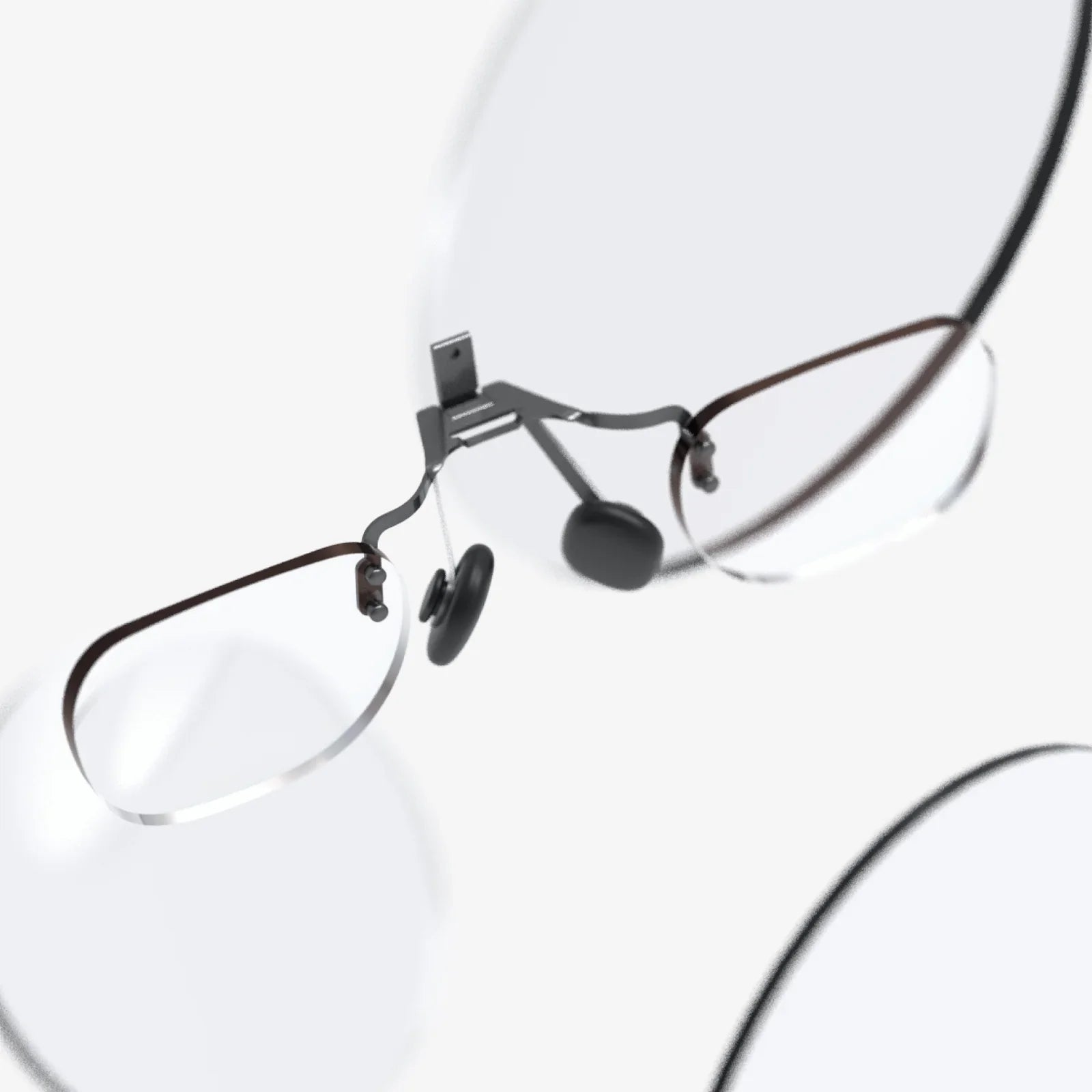
- Smart Glasses and Augmented Reality (AR) Headsets: Perhaps the most ambitious form factor, these devices aim to overlay digital information onto the physical world. AI is the engine that makes this possible, enabling object recognition, real-time translation displayed in your field of view, and spatial audio that responds to your environment.
- Hearables (Smart Earbuds): These have evolved beyond audio playback to become powerful AI assistants. Features like active noise cancellation (ANC) adaptively tuned by AI, real-time language translation, and personalized soundscapes based on your environment are becoming standard.
- Smart Clothing: Fabrics woven with conductive threads and biometric sensors can track muscle activity, posture, and breathing patterns with unparalleled accuracy, offering insights impossible for a wrist-worn device.
This diverse ecosystem ensures that AI-powered insights are no longer confined to a single device but are woven into the very items we wear, creating a holistic and continuous stream of personal data.
Transforming Healthcare: From Reactive to Proactive and Preventive
The most profound impact of AI wearables is undoubtedly in the realm of healthcare. They are catalyzing a monumental shift from a reactive sick-care system to a proactive and preventive health-care model.
Continuous, Remote Patient Monitoring: For individuals with chronic conditions like hypertension, atrial fibrillation (AFib), or diabetes, AI wearables offer a revolutionary tool. Continuous ECG and blood glucose monitoring can detect dangerous anomalies and alert both the user and their physician long before a scheduled appointment, enabling early intervention and potentially saving lives. This also reduces the burden on clinical facilities, allowing for remote management of stable patients.
Early Detection and Diagnosis: Algorithms are being trained to identify subtle patterns in physiological data that precede major health events. Research is ongoing into using wearables to detect the early signs of infections like Lyme disease or even COVID-19 through changes in heart rate and skin temperature. The ability to catch illnesses at their very inception could dramatically improve outcomes.
Mental Health and Wellness: AI is now being applied to mental well-being. By analyzing metrics like heart rate variability (a marker for stress), sleep quality, and even vocal tone, devices can detect signs of anxiety, stress, or depressive episodes. They can then intervene with guided breathing exercises, mindfulness prompts, or suggestions to contact a friend or professional. This democratizes access to mental health support, making it constant and contextual.
Personalized Medicine: The vast, longitudinal datasets collected by these devices are a goldmine for medical research. By understanding how thousands or millions of individuals respond to different activities, diets, and medications, AI can help tailor hyper-personalized treatment plans, moving away from the one-size-fits-all approach of traditional medicine.
Augmenting Human Performance and Productivity
Beyond clinical health, AI wearables are becoming essential tools for optimizing human performance in everyday life.
The Quantified Self, Optimized: Fitness enthusiasts are using data to break through plateaus. AI can analyze running gait to suggest form improvements, track muscle oxygen levels to optimize workout intensity, and create dynamically adaptive training plans that respond to your recovery status and goals.
Enhanced Situational Awareness: Smart glasses and hearables can provide real-time contextual information. A technician could see an overlay of repair instructions while keeping their hands free. A traveler could see translations of street signs or hear a translated conversation through their earbuds, effectively breaking down language barriers.
Focus and Productivity: Devices can learn your daily rhythms and identify your most productive hours. They can nudge you to take a break when cognitive fatigue is detected or block distracting notifications during deep work sessions, creating an environment tailored for maximum efficiency.
The Invisible Elephant: Privacy, Security, and Ethical Quandaries
With great power comes great responsibility, and the power of AI wearables is rooted in intimate data. The ethical implications are vast and complex.
Data Ownership and Consent: Who owns your biometric data? Is it you, the device manufacturer, or the insurance company they might partner with? Terms of service are often lengthy and opaque, leading users to unknowingly consent to having their most personal information sold or used for purposes they did not intend.
Security Vulnerabilities: A device that tracks your location, health, and daily habits is a treasure trove for malicious actors. A data breach could have far more severe consequences than a leaked password; it could reveal deeply private health information or precise real-time location data.
Algorithmic Bias: AI models are only as good as the data they are trained on. If training data lacks diversity, the algorithms can become biased. For instance, a heart rate algorithm trained primarily on data from young, male athletes may be less accurate for older women or people of color, leading to misdiagnosis or missed alerts.
The Psychological Impact: Constant self-tracking can lead to anxiety and orthosomnia—an unhealthy obsession with achieving perfect sleep data. It can create a generation overly reliant on external validation from a device, potentially numbing our own innate ability to listen to our bodies.
Navigating this landscape requires robust, transparent regulation that prioritizes user privacy and mandates algorithmic fairness, ensuring this technology serves to empower, not exploit, its users.
The Future We Are Wearing: A Glimpse on the Horizon
The trajectory of AI wearables points toward even deeper integration and more astonishing capabilities. We are moving toward devices that are truly seamless—perhaps even invisible.
Future iterations may include advanced non-invasive blood glucose monitoring, continuous blood pressure measurement, and sensors that can detect a wide range of biomarkers from sweat or tears. Neural interfaces, while still in early stages, promise a future where we can control devices with our thoughts, offering new freedoms for individuals with disabilities.
The ultimate goal is a closed-loop system: a device that not only diagnoses a problem but also delivers the therapy. Imagine a wearable that detects an oncoming panic attack and administers a calibrated microdose of a calming agent, or one that monitors blood sugar and automatically instructs an insulin pump to respond.
This future will see AI wearables evolve from standalone gadgets into a cohesive, intelligent network—a digital skin that connects us to our own biology and the world around us in ways we are only beginning to imagine.
The silent hum on your wrist is more than a notification; it's the heartbeat of a revolution. AI wearable devices are shedding their novelty status to become indispensable, intuitive extensions of ourselves, promising a future where technology doesn't distract us from life but helps us live it more fully, healthily, and connectedly than ever before. The question is no longer if you will adopt this technology, but how seamlessly it will integrate into the story of your life.
Share:
Best AR Glasses 2025: The Ultimate Guide to the Future on Your Face
Affordable AR Headsets with High Resolution: The Future is Now and It's Clear