


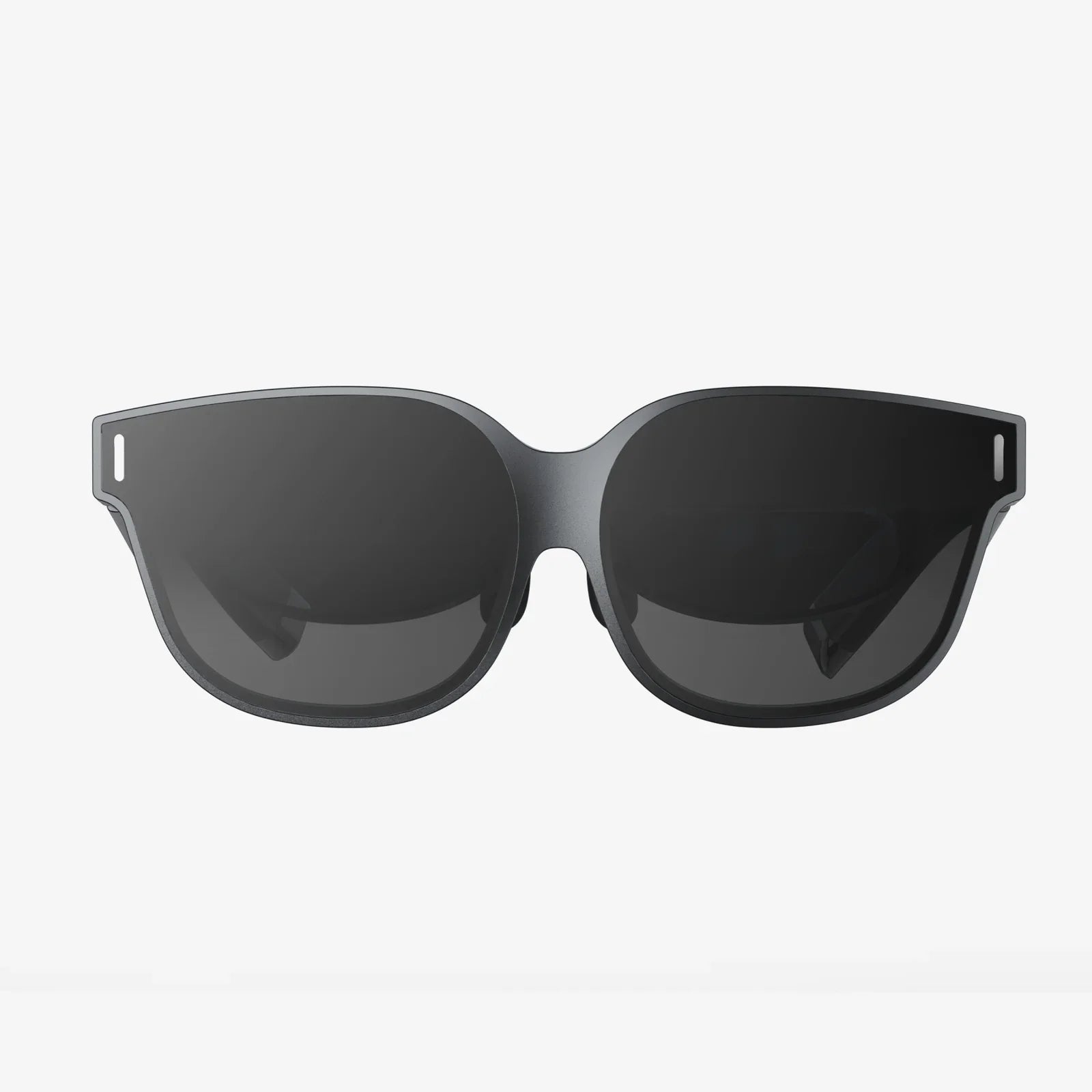
Imagine crafting worlds from pure code, bending the very fabric of reality to create experiences that educate, entertain, and revolutionize how we interact with digital information. This is no longer the realm of science fiction; it's the daily reality for developers skilled in augmented and virtual reality. The demand for these creators is exploding, and the most effective gateway into this thrilling field is through a dedicated AR VR development course. If you've ever dreamed of building the future, now is the time to turn that curiosity into a tangible, high-value skill set that places you at the forefront of the next technological revolution.
The Meteoric Rise of Immersive Technology
To understand the value of an AR VR development course, one must first appreciate the seismic shift happening across global industries. What began as a niche for gaming and entertainment has rapidly expanded into a multi-billion dollar ecosystem transforming everything from healthcare and manufacturing to retail and education. Surgeons are practicing complex procedures on virtual patients, engineers are visualizing and interacting with 3D prototypes before a single physical part is made, and museums are offering immersive historical tours from across the globe. This proliferation is fueled by increasingly accessible hardware, more powerful software development kits (SDKs), and a growing recognition of the tangible return on investment these technologies provide. The market's expansion directly translates into a voracious appetite for talent—developers who can architect these complex, interactive experiences.
What Exactly Will You Learn in an AR VR Development Course?
A robust AR VR development course is designed to be a comprehensive journey, transforming a novice or traditional developer into a proficient creator of immersive applications. The curriculum is typically multifaceted, blending fundamental principles with hands-on, practical application.
Core Programming Languages and Engines
The bedrock of any development is code. Most courses will ground students in C#, a powerful and versatile language that is the primary scripting language for the most popular real-time 3D development platform. Mastery of this engine is non-negotiable for most professional roles; it provides the tools to create, manipulate, and render 3D environments, handle physics, and manage assets. A strong course will also cover shader graph and visual effect creation to bring worlds to life, as well as proficiency in a secondary engine like Unreal Engine, which is renowned for its high-fidelity graphics and is favored for architectural visualization and high-end experiences.
3D Modeling and Asset Creation
Unlike traditional web or app development, immersive tech is inherently visual and spatial. A significant portion of a course will be dedicated to understanding 3D asset creation. This doesn't mean every developer must become a master artist, but they must become proficient in working with 3D models, textures, and animations. Students learn to use industry-standard digital content creation (DCC) tools like Blender or Maya to understand modeling basics, UV unwrapping, and animation principles. Crucially, they learn how to optimize these assets for real-time rendering, a critical skill for maintaining high frame rates and a comfortable user experience, free from nausea-inducing lag.
The Pillars of UX for Immersive Environments
User experience design in AR and VR is a discipline unto itself. A great course dedicates substantial time to spatial design and interaction paradigms. How does a user navigate a virtual world? How do they intuitively pick up, use, and manipulate virtual objects? Students learn to design for six degrees of freedom (6DoF), create comfortable locomotion systems to prevent simulator sickness, and develop user interfaces that exist within the 3D space rather than on a 2D overlay. This includes understanding human factors, ergonomics, and designing for presence—the magical feeling of truly "being there" in the virtual environment.
Platform-Specific SDKs and Deployment
The theory is brought to life through practical work with Software Development Kits. A comprehensive course will provide hands-on experience with key SDKs such as:
- AR Foundation: For developing cross-platform augmented reality applications that can deploy to both iOS and Android.
- OpenXR: An open, royalty-free standard that aims to simplify AR/VR development by providing a common API for accessing a wide variety of devices.
- Platform-specific SDKs: Exposure to SDKs for major standalone VR headsets and mobile AR platforms, teaching students how to integrate controller input, hand tracking, and passthrough features.
Students learn to build and deploy applications to actual devices, understanding the unique constraints and capabilities of each platform.
Who is the Ideal Student for This Path?
The beauty of the AR/VR field is its interdisciplinary nature. While a background in software development, computer science, or game design is incredibly advantageous, it is not always a strict prerequisite. A high-quality AR VR development course often starts with the fundamentals, making it accessible to a range of motivated learners.
- Aspiring Developers: Individuals with some basic programming knowledge in any language (Python, JavaScript, Java) can pivot their skills into this specialty.
- 3D Artists and Designers: Those skilled in tools like Blender or Maya can greatly enhance their value by learning to integrate their art into real-time engines and bring it to life with interactivity.
- UI/UX Designers: Professionals looking to pioneer the frontier of spatial interface design will find this skillset indispensable.
- Career Changers: Motivated individuals from any field with a passion for technology and a commitment to learning can successfully transition into this high-growth area.
The key attributes are curiosity, a problem-solving mindset, and a passion for creating immersive experiences.
From Learning to Earning: Career Pathways After Your Course
Completing a reputable AR VR development course opens doors to a variety of exciting and well-compensated roles. The industry values demonstrable skills and a strong portfolio, which a good course helps you build.
- XR Developer: The most common title, encompassing general development for VR, AR, and Mixed Reality (MR) applications across various engines.
- VR Engineer / AR Engineer: Often more specialized roles focusing on the technical architecture, performance optimization, and core functionality of immersive apps.
- Technical Artist: A hybrid role that acts as a bridge between artists and programmers, requiring skills in both art creation tools and engine scripting to ensure assets are functional and performant.
- Spatial UX Designer: Focusing exclusively on the user journey, interaction models, and interface design within 3D spaces.
- Engine Programmer: For those who delve deeper, working on the core technology of the engines and tools themselves.
Industries hiring for these skills range from game studios and entertainment companies to automotive firms, healthcare startups, architectural bureaus, and major retail corporations, offering diverse and challenging work environments.
Choosing the Right AR VR Development Course for You
Not all courses are created equal. With the market growing, many options have emerged. Here’s what to look for to ensure you invest your time and money wisely:
- Project-Based Curriculum: The learning should be centered around building actual, portfolio-worthy projects, not just watching video lectures.
- Industry-Relevant Tools: The course must teach the current industry-standard engines and SDKs mentioned earlier.
- Expert Instructors: Instructors should be seasoned professionals with real-world development experience, not just academics.
- Comprehensive Scope: It should cover the full pipeline: programming, 3D integration, spatial audio, UX design, and deployment.
- Community and Support: Access to a community of fellow students and responsive instructor support is invaluable for overcoming obstacles.
- Career Services: Some top-tier programs offer portfolio reviews, career coaching, and networking opportunities to help you land your first role.
Be wary of courses that promise mastery in an implausibly short time frame or that focus on outdated technology.
Building Your Portfolio: The True Measure of Your Skills
The certificate you earn is less important than the portfolio you build. A great AR VR development course is structured to give you 3-5 substantial projects that demonstrate a range of skills. This might include:
- A simple mobile AR application that places virtual objects in the real world.
- A fully immersive VR game or experience with interactive mechanics and a complete user journey.
- A professional or "serious" application prototype, such as a training simulation or a data visualization tool.
These projects become your proof of capability. They are what hiring managers and technical directors want to see—evidence that you can not only learn concepts but also apply them to create functional, engaging software.
The line between the digital and physical world is blurring, and the architects of this new hybrid reality are in unprecedented demand. An AR VR development course is more than just training; it's an invitation to participate in a foundational technological shift, to acquire the skills that will define the next decade of computing. This is your chance to move from consuming technology to building it, to transform your creative ideas into experiences that can change how people work, learn, and connect. The tools are here, the industry is waiting, and the only step left is to begin.
Share:
Advanced in Augmented Reality: The Invisible Revolution Reshaping Our World
Internet Glasses Technology: A New Vision for the Connected World