


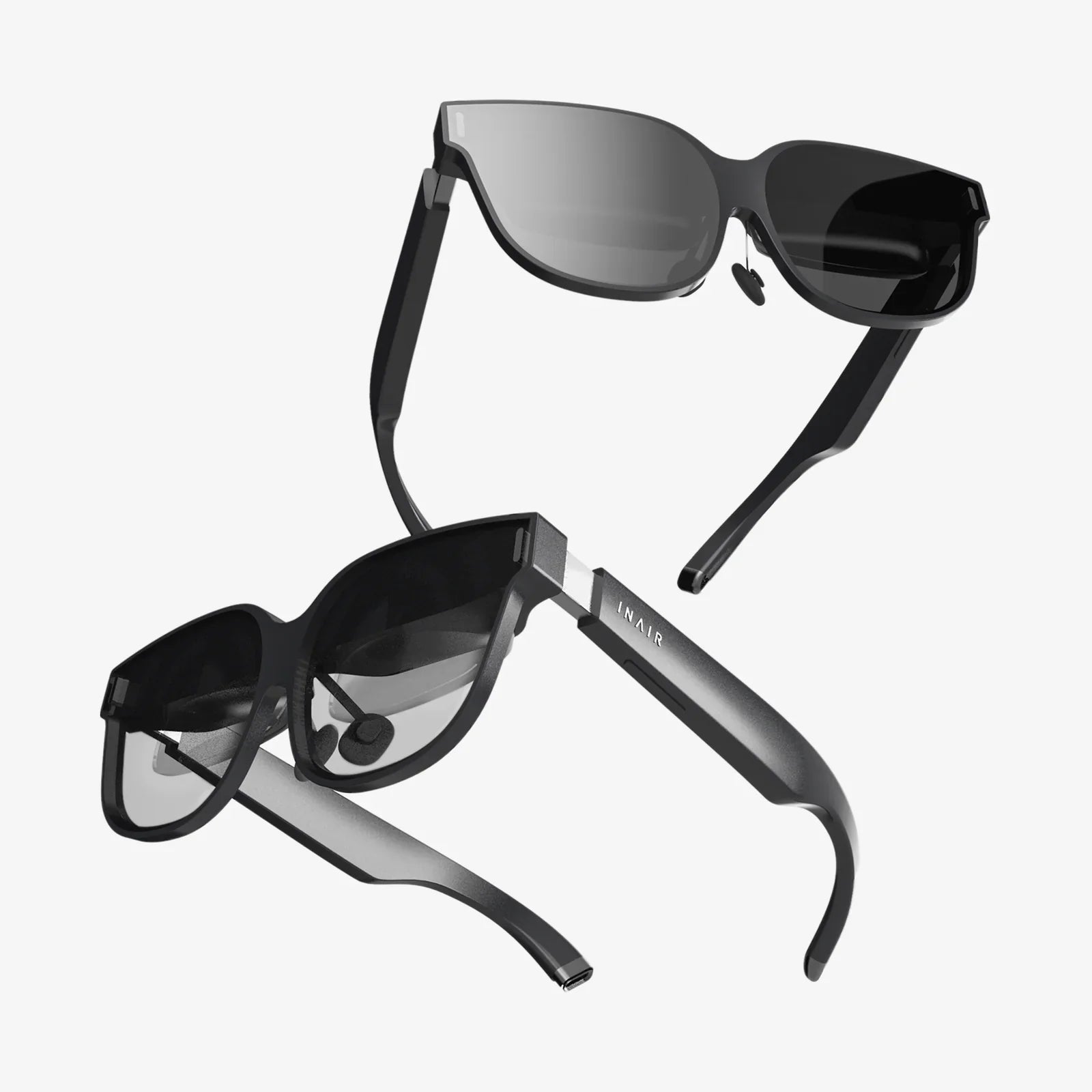
You’ve seen them on wrists in the gym, heard the buzz about tracking your every step and heartbeat, and perhaps even felt the FOMO of not being part of the quantified self-movement. But a nagging question persists, cutting through the marketing hype and sleek design: are wearables truly worth the investment, or are they just another expensive gadget destined for the back of a drawer? The answer is far from simple, weaving together threads of cutting-edge technology, profound health insights, and complex human psychology. This isn't just about a purchase; it's about deciding to invite a constant, data-streaming companion into your life. Let's move beyond the surface and delve into the real value these devices offer, separating the transformative potential from the fleeting trends.
The Allure of the Quantified Self: Knowledge is Power
The fundamental promise of wearable technology is empowerment through information. For the first time in human history, we have the ability to passively and continuously collect a staggering array of personal data. This shift from sporadic, subjective guesswork to continuous, objective measurement is the core of the wearable's value proposition.
Health and Wellness Monitoring: This is the undisputed king of wearable utility. Modern devices act as a personal health dashboard, offering insights that were once only available in a clinical setting.
- Activity Tracking: The humble step counter has evolved. It’s no longer just about hitting 10,000 steps; it’s about understanding your daily movement patterns, avoiding sedentary behavior with stand reminders, and quantifying active calorie burn. For those starting a fitness journey, this objective feedback can be a powerful motivator and a source of accountability.
- Heart Rate Monitoring: Continuous heart rate tracking provides a window into your cardiovascular health. It allows you to see your resting heart rate—a key indicator of fitness—trend over time. During exercise, it helps you train in the correct heart rate zones for maximum efficiency, ensuring you’re working hard enough for cardio benefits but not overexerting yourself.
- Sleep Analysis: Many wearables now track sleep stages (light, deep, REM) and provide a sleep score. For millions struggling with poor sleep, this data can be revolutionary. It can reveal patterns of restlessness, identify if you’re getting enough restorative deep sleep, and help correlate lifestyle factors (like caffeine, alcohol, or late-night screen time) with sleep quality.
- Advanced Health Metrics: The frontier is expanding rapidly. Devices now offer ECG functionality to detect signs of atrial fibrillation, blood oxygen saturation (SpO2) monitoring, skin temperature tracking, and even stress tracking through heart rate variability (HRV). These features can provide early warning signs and prompt users to seek professional medical advice.
Convenience and Connectivity: Beyond health, wearables excel at streamlining daily life. Receiving notifications, controlling music, making contactless payments, or using GPS navigation directly from your wrist means your phone can stay in your pocket. This reduces digital distraction and creates a more seamless, efficient interaction with technology.
The Flip Side of the Coin: Costs and Considerations Beyond the Price Tag
While the benefits are compelling, the "worth it" calculus must include significant drawbacks that aren't always apparent from a product description.
The Financial Investment: High-end wearables represent a substantial financial outlay, often rivaling the cost of a smartphone. This purchase requires careful consideration against other financial priorities. Furthermore, it’s not a one-time cost. These devices have a limited lifespan, typically lasting 2-4 years before the battery significantly degrades or the technology becomes obsolete.
Data Anxiety and Psychological Burden: The constant stream of data can be a double-edged sword. For some, it fosters empowerment; for others, it breeds obsession and anxiety, a phenomenon often called "orthosomnia"—the unhealthy preoccupation with perfect sleep data. Missing a daily goal can feel like a personal failure rather than a minor hiccup. The device, meant to be a tool, can become a harsh, unyielding judge of your lifestyle, potentially damaging your relationship with health and fitness.
Privacy and Security Concerns: You are entrusting a corporation with your most intimate data: your heartbeat, your location, your sleep patterns, and potentially your health irregularities. It is crucial to understand how this data is stored, who it is shared with (e.g., insurers, employers, third parties), and how it is secured against breaches. This data is incredibly valuable and paints a shockingly detailed picture of your life.
Accuracy and the "Garbage In, Garbage Out" Principle: While impressive, consumer-grade wearables are not medical devices. Their readings, especially for more complex metrics like SpO2 or sleep staging, are estimates and can be influenced by many factors. Basing health decisions solely on this data without professional consultation can be dangerous. The value is in identifying trends over time, not in any single data point.
Decoding the Value: Who Are Wearables Actually For?
The question of worth is deeply personal. The value of a wearable is not intrinsic; it is derived from how it is used. For specific groups, the answer leans heavily toward "yes."
The Fitness Enthusiast and Athlete: For anyone serious about training, a wearable is arguably indispensable. Tracking workout intensity, monitoring recovery through HRV and sleep data, and analyzing performance trends over time provide a critical edge. It transforms training from guesswork into a data-driven process.
The Health-Conscious Individual: Someone with a specific health goal—such as weight loss, improving cardiovascular health, or managing stress—can benefit immensely. The device serves as a constant source of motivation and objective feedback, making abstract goals tangible and measurable.
Those with Specific Medical Conditions: With a doctor's guidance, wearables can be powerful tools for managing conditions like hypertension or atrial fibrillation. The ability to take an on-demand ECG when experiencing palpitations or to share long-term heart rate trends with a cardiologist provides invaluable data that would otherwise be impossible to capture.
The Tech-Savvy Minimalist: For someone looking to reduce phone dependency, the convenience features—notifications, payments, music control—can justify the device alone, creating a less intrusive digital experience.
Conversely, a wearable may offer less value for someone with no interest in data, who finds constant tracking stressful, or who is already intuitively in tune with their body's needs and activity levels.
The Verdict on Value: It's About What You Do With the Data
So, are wearables worth it? The technology itself is not inherently valuable. A wearable left in a box is worth nothing. A wearable used obsessively to foster anxiety is worth less than nothing. Its true worth is unlocked only when the data it provides catalyzes positive behavioral change.
The device that nudges you to take a walk after dinner, that shows you how your late-night coffee disrupts your sleep, that encourages you to try a mindfulness session when it detects elevated stress—that device is worth it. It’s a tool for building better habits. The goal should not be to win the approval of the device but to use the device to better understand and improve yourself. The most important metrics are not on the screen; they are how you feel, your energy levels, your overall health, and your happiness. The wearable is merely the mirror.
Ultimately, the question shifts from "Is this gadget worth it?" to "Am I worth investing in?" If you are ready to actively engage with the data, to use it as a guide rather than a gospel, and to make tangible changes to your lifestyle, then a wearable can be one of the most powerful and worthwhile investments you make in your long-term well-being. The data is meaningless without action, but the right action, informed by data, can be transformative.
Imagine a future where you're no longer guessing about your health but actively shaping it with precise, personalized insights. The power to unlock a deeper understanding of your own body, to spot trends before they become problems, and to turn everyday choices into measurable progress is no longer science fiction—it's waiting on your wrist. The real cost isn't the price of the device; it's the opportunity cost of continuing to navigate your health and fitness in the dark. The data is there for the taking. The only question left is what you will do with it.
Share:
Future Types of Wearable Technology: Beyond Smartwatches and Into the Body
Branded AR Content: The Ultimate Bridge Between Physical and Digital Realms