


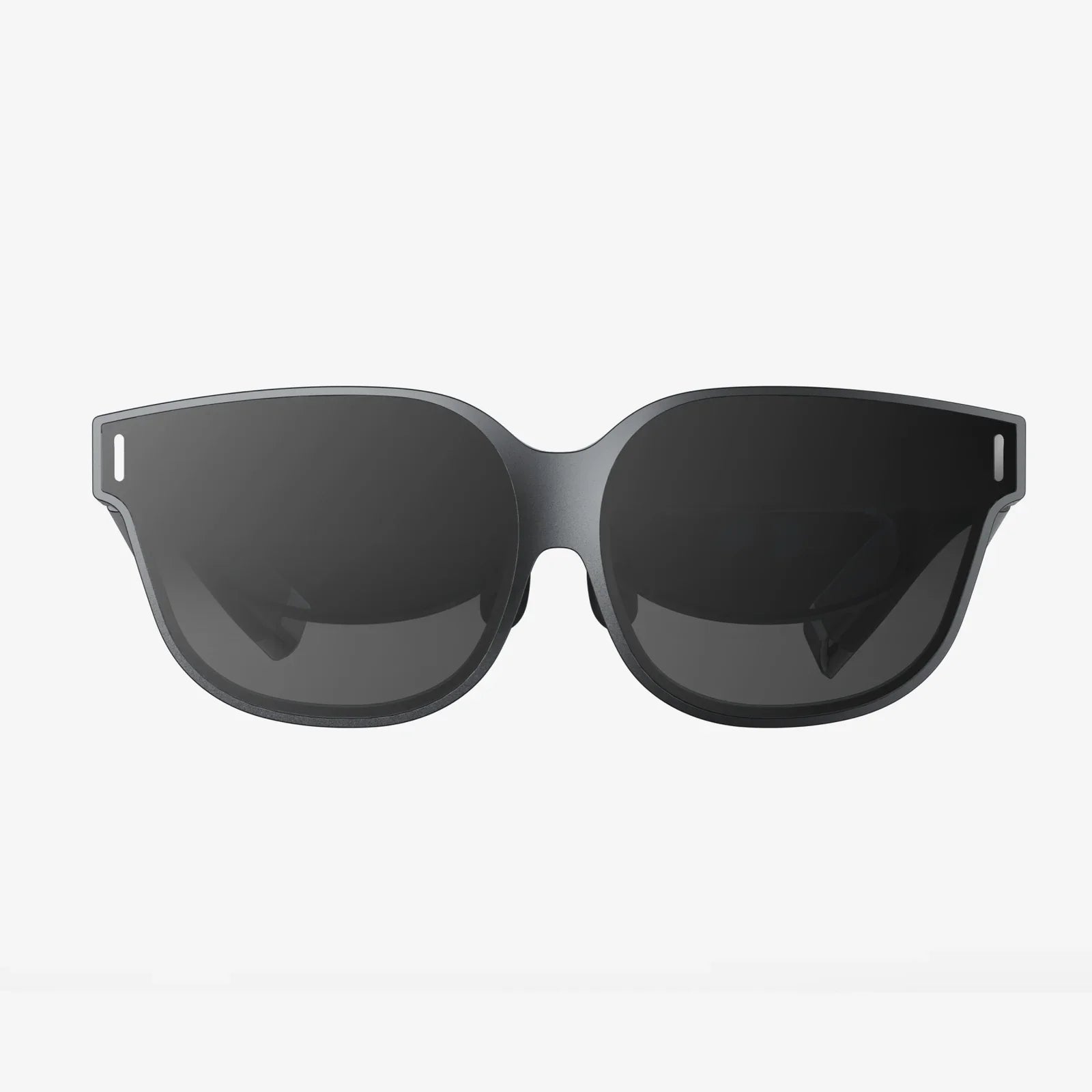
Imagine pointing your phone at a seemingly ordinary magazine page and watching a new car materialize, in perfect 3D, right on your living room floor. You can walk around it, open its doors, and even customize its color with a tap—all without ever stepping into a showroom. This is no longer a glimpse into a distant future; it’s the powerful, present-day reality of augmented reality experiences for marketing, a force that is utterly transforming the dialogue between brands and consumers. In a world saturated with digital noise, AR offers a rare and precious commodity: genuine, undivided attention and an unforgettable brand experience.
The New Reality: Beyond the Hype
Augmented reality, at its core, is a technology that superimposes a computer-generated image onto a user's view of the real world, thus providing a composite view. Unlike virtual reality, which creates a wholly artificial environment, AR enhances the real world by adding digital elements to it, making it far more accessible and immediately applicable to everyday life. The marketing world has seized upon this capability, moving from simple QR code activations to sophisticated, interactive campaigns that drive measurable results.
Why AR is a Marketing Game-Changer
The efficacy of AR marketing stems from its unique ability to bridge the gap between the digital and physical realms, creating a symbiotic relationship that benefits both the consumer and the brand.
Unparalleled Engagement and Immersion
Traditional advertising is largely passive. Consumers watch, read, or listen, but they rarely do. AR flips this model on its head. It demands interaction. A user must actively point a device, tap the screen, move around an object, or make a gesture. This active participation dramatically increases engagement time and, more importantly, creates a deeper cognitive and emotional connection to the brand. The experience becomes a personal event, not just another ad.
The Power of "Try Before You Buy"
One of the most potent applications of AR is in solving the inherent problem of online shopping: the inability to physically interact with a product. AR effectively demolishes this barrier. Consumers can now:
- See how a new sofa fits and looks in their actual living room, adjusting for scale and lighting.
- "Try on" eyewear, makeup, or accessories using their phone's camera.
- Visualize complex products, like outdoor grills or garden sheds, in their intended environment.
This dramatically reduces purchase anxiety, lowers return rates, and empowers consumers with confidence, directly translating to higher conversion rates.
Memorable Storytelling and Emotional Connection
AR allows brands to tell stories in a completely new dimension. Instead of telling a customer about a product's features, they can be shown—and can interact with—those features. A history brand can bring a historical figure to life in a textbook. A food company can have its mascot dance on a cereal box. These magical moments create powerful positive emotions—surprise, delight, wonder—that become intrinsically linked to the brand, fostering immense loyalty and shareability.
Valuable Data and Analytics
Behind the magical facade, AR is a powerful data collection tool. Marketers can gain unprecedented insights into user behavior: how long they interact with a model, which features they engage with most, what actions they take after the experience, and even where in the real world the interaction took place. This data is invaluable for refining marketing strategies, improving products, and personalizing future customer journeys.
Crafting a Successful AR Marketing Campaign
Implementing AR is more than just deploying cool technology; it requires strategic planning and a user-centric focus.
Define Clear Objectives
As with any marketing initiative, success starts with a clear goal. Are you aiming to boost online sales, increase brand awareness, generate leads, or provide a novel customer service tool? The objective will dictate the entire AR experience, from its complexity to its call-to-action.
Prioritize User Experience (UX) Above All
The AR experience must be seamless and intuitive. Friction is the enemy. This means:
- Easy Access: The experience should be accessible through a simple QR code scan or via a web-based AR platform that requires no app download (a major barrier).
- Intuitive Interaction: The controls should be simple and guide the user naturally.
- Value-Driven: The experience must provide genuine value—utility, entertainment, or information—not just serve as a tech demo.
Seamless Integration into the Customer Journey
AR should not be an isolated gimmick. It must be thoughtfully woven into the broader marketing funnel. For instance, an AR try-on feature should be integrated directly on the product page of an e-commerce site. An interactive print ad should include a clear and compelling reason to scan it. The experience should feel like a natural next step, not a disconnected diversion.
Powerful and Clear Call-to-Action (CTA)
What do you want the user to do after their moment of wonder? The CTA is critical. It could be to "Buy Now," "Learn More," "Share Your Experience," or "Find a Store." The AR experience should funnel the user's engagement toward a desired outcome that aligns with your initial objective.
Overcoming Challenges and Looking Ahead
While the potential is vast, AR marketing is not without its hurdles. Concerns over data privacy, the cost of development for more complex experiences, and the need for technological literacy among the target audience are all factors to consider. Furthermore, the market is evolving rapidly. The future points toward the widespread adoption of AR glasses, which will make these experiences hands-free and ever-present, further blurring the lines between our physical and digital lives.
The brands that will win tomorrow are those that start experimenting with and integrating augmented reality today. They will be the ones who learn to speak the language of immersive experience, who understand that the most powerful marketing doesn't feel like marketing at all. It feels like magic. It feels like play. It feels like the future, arriving early, right in the palm of your hand, waiting for you to reach out and engage.
Share:
VR Glasses That Look Like Regular Glasses: The Invisible Revolution
When Did AI Glasses Come Out? A Journey from Sci-Fi to Your Face