


- by wangfred
Augmented Reality in AI-Driven Automation: The Synergy Reshaping Modern Industry
- by wangfred
Imagine a world where complex repair instructions are projected directly onto the machinery in front of you, where warehouse workers see optimal picking paths glowing on the floor, and where remote experts can guide your hands with virtual annotations overlaying the physical world. This is not a distant science fiction fantasy; it is the present and rapidly evolving future being forged by the powerful synergy of augmented reality in AI-driven automation. This convergence is dismantling traditional barriers between the digital and physical realms, creating a new operational paradigm that enhances human capability, boosts efficiency to unprecedented levels, and is fundamentally reshaping the landscape of modern industry.
Before delving into their powerful synergy, it is crucial to define the two technological pillars individually. AI-driven automation refers to systems that leverage artificial intelligence—particularly machine learning, computer vision, and natural language processing—to perform tasks with minimal human intervention. These systems can learn from data, adapt to new inputs, and make intelligent decisions. They power everything from predictive maintenance algorithms that foresee equipment failures to autonomous robots that navigate dynamic environments.
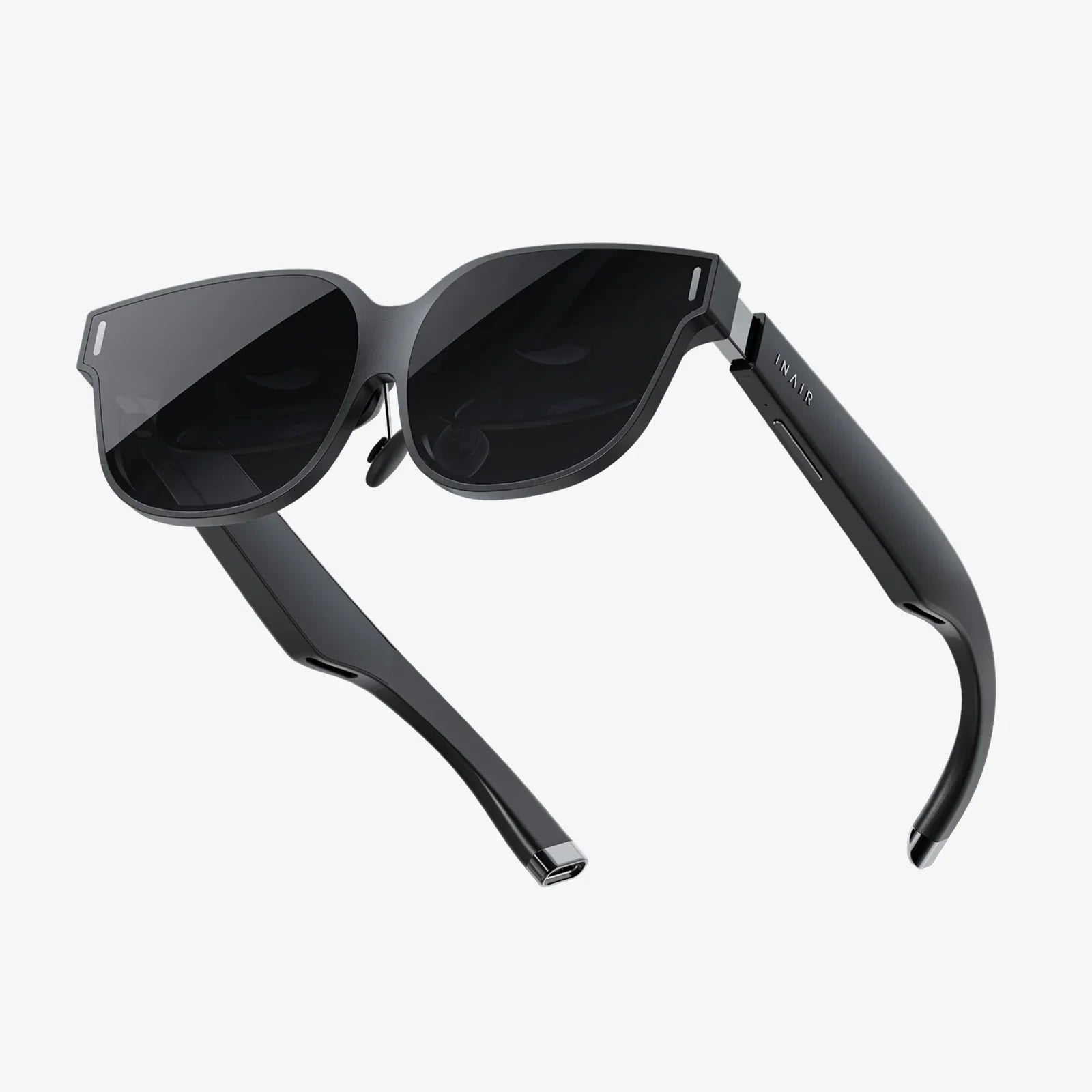
Augmented Reality (AR), in contrast, is a technology that superimposes computer-generated information—be it images, text, 3D models, or data streams—onto a user's view of the real world. Unlike Virtual Reality (VR), which creates a completely immersive digital environment, AR enhances reality by adding a layer of interactive digital information to it. This is typically achieved through devices like smart glasses, helmets, or even smartphone and tablet screens.
While powerful on their own, the true revolution begins when these two technologies are fused. AI-driven automation provides the brain, and AR provides the intuitive interface. This creates a symbiotic loop of intelligence and interaction.
AI acts as the engine in the background, processing vast amounts of data from sensors, IoT devices, and enterprise systems. It identifies patterns, predicts outcomes, and generates insights. However, presenting this raw data to a human operator on a traditional 2D screen can be overwhelming and contextually disconnected. This is where AR intervenes. It takes the intelligence generated by the AI and contextualizes it, visually anchoring it to the specific physical object, location, or process it pertains to. The human operator is no longer looking at a spreadsheet of sensor data; they are looking at the machine itself, with a clear visual indicator highlighting the component that the AI predicts will fail within the week.
One of the most impactful applications of this synergy is in industrial maintenance, assembly, and repair. Traditionally, these tasks rely heavily on highly skilled technicians interpreting complex paper manuals or PDF instructions on a separate screen, a process prone to errors and inefficiencies.
With augmented reality in AI-driven automation, the entire process is transformed. A technician wearing AR smart glasses is guided through a repair with step-by-step holographic instructions overlaid directly onto the equipment. The AI system can identify parts using computer vision, confirm the correct tools are being used, and even warn of potential missteps based on historical data. This drastically reduces training time, minimizes errors, and slashes downtime. Furthermore, it enables remote expert assistance; a senior engineer located anywhere in the world can see what the on-site technician sees and provide guidance by drawing virtual arrows, circles, or notes directly into their field of view, all powered by AI-driven collaboration platforms.
The logistics sector is experiencing a massive boost in efficiency through this technology. In large distribution centers, AI algorithms continuously optimize inventory placement and picking routes based on real-time order data and predictive analytics. AR glasses then present this optimized information to warehouse workers.
Workers see visual cues guiding them along the most efficient path to retrieve items. The exact bin location can be highlighted with a digital marker, and the required quantity can be displayed, reducing search time and errors to a minimum. The AI can also monitor the worker's progress in real-time and dynamically re-route them if a higher-priority order comes in or if congestion is detected in another aisle. This seamless fusion of intelligent decision-making and intuitive visual guidance supercharges operational throughput and accuracy.
The design and manufacturing phases are also being reimagined. Engineers and designers can use AR to visualize and interact with 3D digital prototypes overlaid into their real-world environment long before physical prototypes are built. When supercharged with AI, this process becomes even more powerful.
AI generative design software can create thousands of design iterations based on specified constraints (weight, strength, material). Engineers can then use AR to examine these AI-generated designs in life-size 3D, assessing their form, fit, and function within a real-world context. This accelerates the prototyping cycle and leads to more innovative and optimized products. On the manufacturing floor, AR can project assembly guidelines directly onto the workbench, ensuring perfect alignment and assembly sequence, with AI verifying each step for quality control.
A critical philosophical point underpinning this technological shift is its focus on human augmentation rather than replacement. The goal of augmented reality in AI-driven automation is not to create a fully lights-out, human-free operation in most scenarios. Instead, it is to create a collaborative environment where humans and intelligent systems work together, each playing to their strengths.
Humans excel at creativity, adaptability, complex problem-solving, and dexterity. AI excels at processing immense datasets, identifying subtle patterns, and executing repetitive tasks with unwavering precision. AR serves as the perfect bridge, translating the AI's computational power into an intuitive, visual, and actionable format that empowers the human worker to make better decisions, faster and with greater confidence. It elevates the workforce, enabling them to perform complex tasks without needing decades of specialized experience.
Despite its immense potential, the integration of these technologies faces hurdles. The development of robust, lightweight, and affordable AR hardware with long battery life remains a challenge. Connectivity and latency issues must be solved for real-time data overlays to be perfectly synchronized. Significant investment in digital infrastructure and data integration is required. Furthermore, concerns regarding data security, privacy, and potential digital distraction in physical workspaces must be addressed through thoughtful design and clear protocols.
However, the trajectory is clear. As both AI and AR technologies mature and become more accessible, their integration will deepen. We can anticipate a future where this synergy expands beyond industrial settings into fields like healthcare, where surgeons could have AI-powered vital signs and 3D surgical navigation overlayed on their view of the patient, or in field service, where every technician has instant access to the collective knowledge of the entire company. The line between the digital command center and the physical point of action will continue to blur, creating a seamlessly interconnected operational reality.
The fusion of intelligent automation and contextual visual overlays is unlocking a new dimension of productivity and innovation, turning every physical task into an opportunity for data-driven precision and turning every worker into a super-powered expert. The future of work is not about humans versus machines; it's about humans, amplified by machines, working in concert to achieve what was once thought impossible.
Share:
Is AR Better Than VR? The Ultimate Immersive Tech Showdown
Augmented Reality Function: The Invisible Layer Reshaping Our World