


- by wangfred
Augmented Reality Now: The Invisible Layer Reshaping Our Daily Lives
- by wangfred
Imagine a world where the digital and the physical are no longer separate realms, but a single, intertwined experience. This is not a glimpse into a distant sci-fi future; it is the reality taking shape around us, right now. Augmented Reality (AR) has shed its prototype skin and is weaving itself into the very fabric of our daily routines, professional workflows, and social interactions. It’s the invisible layer that is quietly, yet profoundly, reshaping how we see, interact with, and understand everything from our city streets to our own living rooms. The revolution is not coming; it is already here, and it’s happening right before our eyes—if you know how to look.
To understand the power of Augmented Reality now, we must first move beyond the simplistic definition of digital overlays on a smartphone screen. Modern AR is an experiential technology that superimposes computer-generated perceptual information onto our view of the real world. This can include visual elements, sound, haptic feedback, and even olfactory data. The key differentiator from Virtual Reality (VR) is that AR does not replace your environment but enhances it.
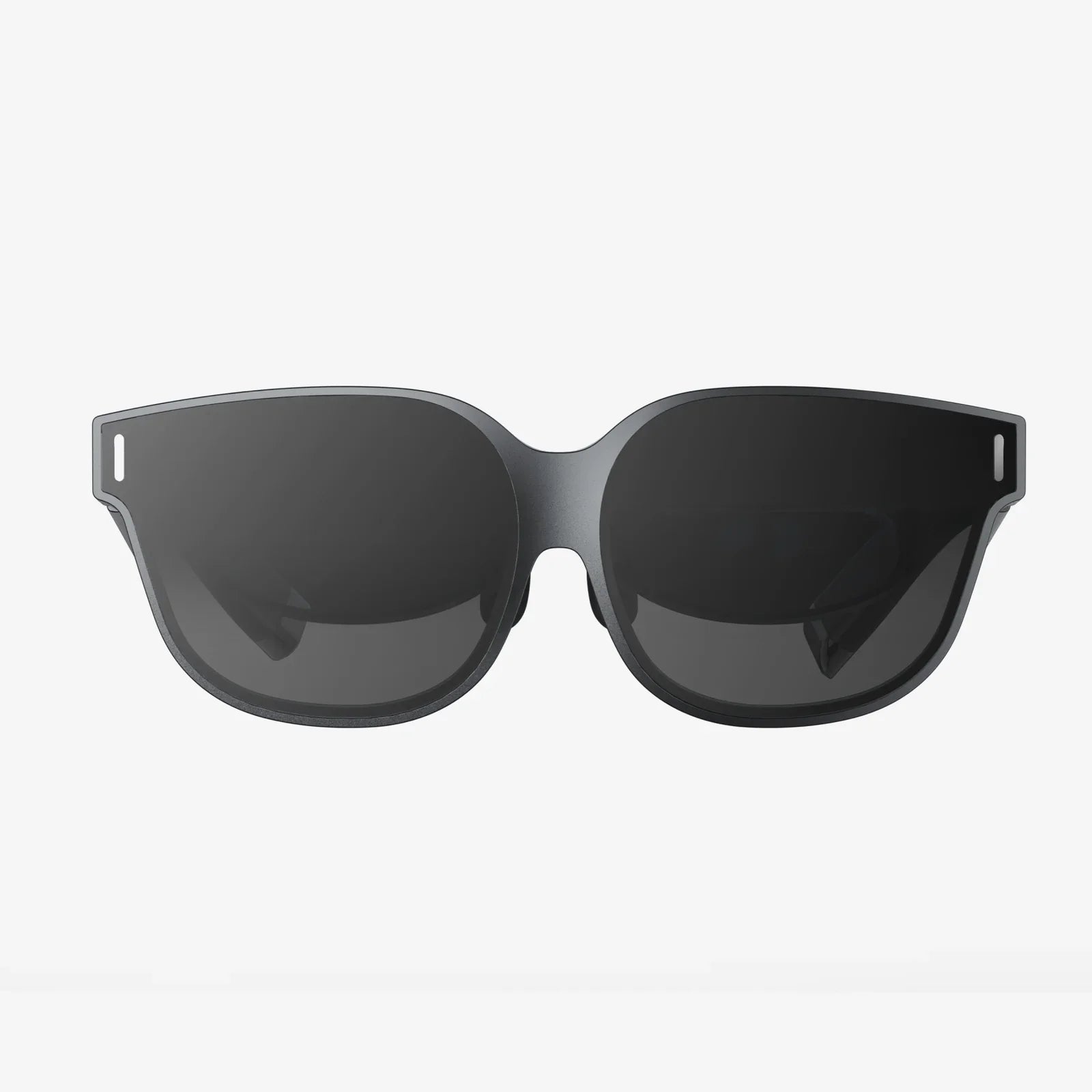
The evolution has been rapid. We have progressed from marker-based AR, which required a specific image or object to trigger the digital content, to markerless AR, powered by simultaneous localization and mapping (SLAM) algorithms. This allows devices to understand and map their environment in real-time, placing digital objects persistently and accurately on your desk, your floor, or your factory wall without needing a physical trigger. Furthermore, the hardware is diversifying. While smartphones democratized access, the true potential is unlocked through dedicated AR glasses and headsets, offering a hands-free, spatially-aware experience that feels less like using an app and more like possessing a new sense.
While consumer applications often grab headlines, the most significant and mature impact of Augmented Reality is happening behind closed factory doors, on construction sites, and in operating rooms. Here, AR is not a toy; it is a critical tool driving efficiency, safety, and precision.
In complex manufacturing and maintenance, AR is a game-changer. Technicians wearing AR glasses can see digital work instructions overlaid directly onto the machinery they are repairing. Animated arrows can point to specific components, torque values can be displayed next to bolts, and safety warnings can flash if a user approaches a hazardous area. This eliminates constant glances back and forth at paper manuals or tablet screens, reducing errors by over 90% in some documented cases and dramatically cutting task completion times. Remote expert assistance is another killer app. A seasoned engineer located thousands of miles away can see what a field technician sees, draw annotations into their real-world field of view, and guide them through a complex procedure, effectively teleporting expertise anywhere there is a network connection.
The design process has been fundamentally altered. Architects and interior designers can project full-scale 3D models of their creations onto empty plots of land or within unfinished buildings. They can walk clients through a virtual building before a single brick is laid, allowing for real-time changes to materials, layouts, and lighting. This collaborative, immersive design review process saves millions in costly post-construction modifications. Similarly, automotive designers can project life-size holograms of new car models, examining proportions and aesthetics in real space alongside physical components.
In healthcare, the stakes are the highest, and AR is rising to the challenge. Medical students can practice procedures on detailed, interactive holograms of human anatomy, peeling back layers of muscle, tissue, and organs without ever touching a cadaver. Surgeons are using AR for pre-operative planning, overlaying 3D reconstructions from CT and MRI scans directly onto a patient’s body to visualize the exact location of tumors, blood vessels, and critical structures before making an incision. This enhanced spatial understanding leads to smaller incisions, less blood loss, and improved patient outcomes.
Beyond the enterprise wall, AR is steadily infiltrating the consumer world, moving beyond viral filters to offer genuine utility and enriched experiences.
The retail sector has been radically transformed. Furniture retailers allow you to place true-to-scale 3D models of sofas, tables, and lamps into your own home using your phone’s camera. You can walk around them, see how the light hits them at different times of day, and be confident they fit before purchasing. Apparel brands are developing virtual fitting rooms, enabling you to see how clothes will look on your body type, reducing return rates and enhancing online shopping confidence. Cosmetics brands offer virtual make-up try-ons, and eyewear companies let you try on thousands of virtual frames.
Walking through a new city is being reimagined. Instead of looking down at a blue dot on a 2D map, AR navigation apps can overlay directional arrows, street names, and points of interest directly onto the live video feed from your camera. Look down a street, and floating tags can show the name of a restaurant, its rating, and even its lunch menu. This heads-up, contextual form of navigation is more intuitive and keeps users engaged with their environment rather than a screen. Inside large venues like airports or museums, AR wayfinding can guide you to your gate or to a specific exhibit with unprecedented ease.
The explosive success of a certain location-based AR game proved the mass-market appeal of blending gameplay with the real world. This was just the beginning. Social media filters and lenses have become a cultural language of their own, allowing for creative expression and shared experiences. The next frontier is persistent AR worlds—digital content anchored to specific locations that anyone can see and interact with through their device, creating a shared layer of storytelling and play over our neighborhoods.
This seamless magic is powered by a sophisticated convergence of several cutting-edge technologies.
As this digital layer becomes more pervasive, it brings a host of complex questions that we are only beginning to grapple with.
Privacy and Data Surveillance: AR systems, by their very nature, require constant analysis of their environment through cameras and sensors. This raises monumental privacy concerns. Who has access to the continuous video feed of your life? How is the data about your home, your workplace, and your habits being used, stored, and monetized? The potential for unprecedented corporate or government surveillance is a clear and present danger.
The Digital Divide and Access: Will AR become a tool that exacerbates social and economic inequality? High-quality AR experiences currently require expensive hardware and reliable, high-speed internet. There is a risk of creating a two-tier society: those who can afford the AR layer and the enhanced productivity, education, and access to information it provides, and those who cannot.
Reality Dilution and Mental Health: When everyone can curate their own reality with personalized filters and information bubbles, what happens to our shared sense of truth? The potential for misinformation, hyper-targeted advertising, and social isolation is significant. The long-term psychological effects of perpetually mediating our world through a digital lens are unknown.
Physical Safety and Social Etiquette: Walking around with a heads-up display poses obvious physical risks in busy urban environments. Furthermore, the social etiquette of AR is unwritten. Is it rude to wear AR glasses during a conversation? How do we know when someone is recording us? These social norms will need to be negotiated as the technology spreads.
The trajectory is clear: AR will become more powerful, more miniaturized, and more integrated into our lives, evolving towards the ultimate goal of a comfortable, all-day wearable pair of glasses. The user interface will shift from touch and swipe to voice commands, gesture control, and eventually, neural interfaces. The digital information we access will become more contextual, predictive, and personalized, acting as a true cognitive extension.
This is not merely about adding a heads-up display to our vision. It is about fundamentally altering the human-machine relationship. It’s about enhancing our innate abilities to learn, to create, to connect, and to understand the world around us. The challenge for developers, policymakers, and society at large is to steer this powerful technology toward empowerment and equity, to build an augmented future that enhances our humanity rather than diminishes it. The responsibility is immense, but so is the opportunity.
The boundary between the atoms of our world and the bits of our digital existence is dissolving, creating a new hybrid reality that is richer, more interactive, and more informative than ever before. This isn't a waiting game for the next big announcement; the tools are live, the applications are solving real problems, and the interface is shifting from our screens to our surroundings. The augmented layer is active, waiting for you to look up from your phone and see the world not just as it is, but as it can be.
Share:
Augmented Reality Based Technologies Are Reshaping Our World
Augmented vs Extended Reality: The Ultimate Guide to Our Blended Future