


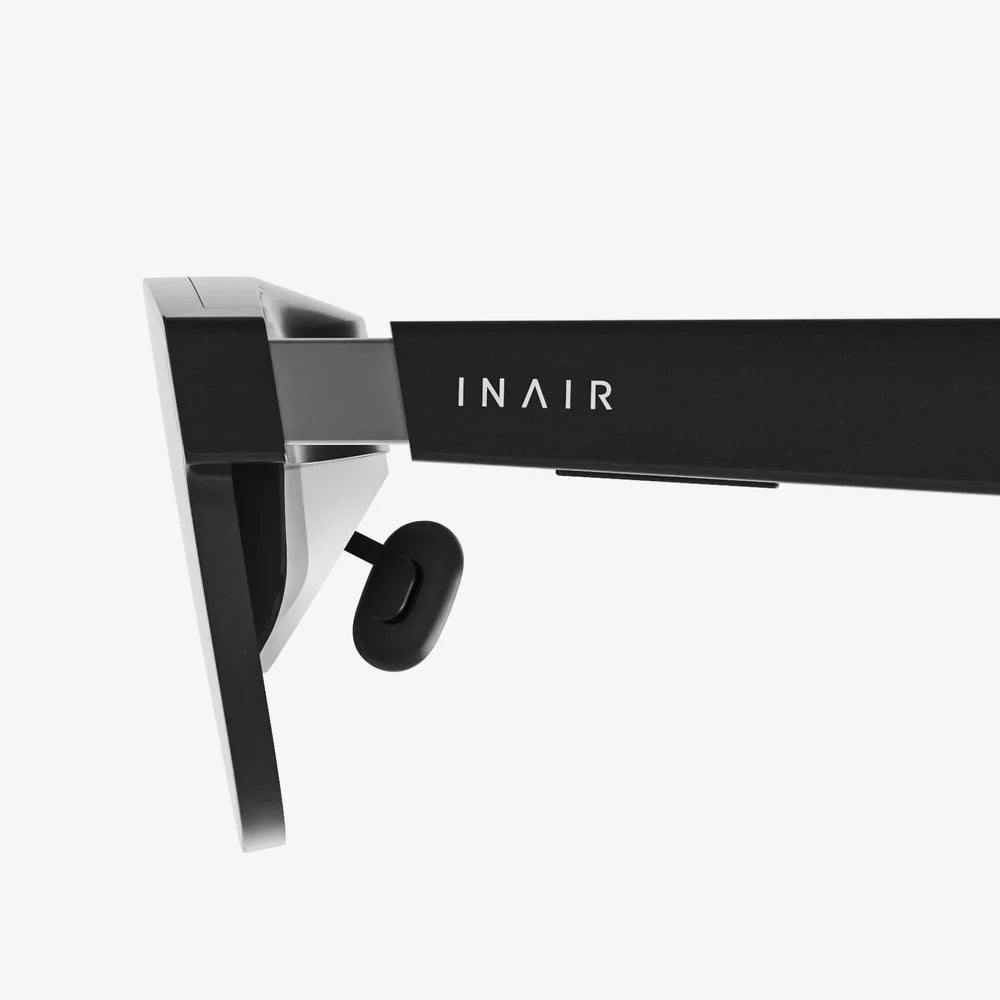
Imagine a world where the boundary between the digital and physical realms doesn't just blur—it disappears. Where information flows as naturally as a conversation, where your environment responds to your presence, and where the very way you see the world is enhanced, personalized, and empowered. This is no longer the stuff of science fiction; it is the promise held within the sleek, sophisticated frames of the best AI glasses for everyday use in 2025. This year marks a pivotal turning point, where this transformative technology has finally matured from a clunky prototype into a must-have companion for navigating the complexities of modern life.
The 2025 Smart Eyewear Revolution: Beyond the Gimmick
For years, the concept of smart glasses was synonymous with chunky designs, limited battery life, and a conspicuous lack of style. They were devices for developers and tech enthusiasts, not for the average consumer. The year 2025, however, represents a quantum leap. The convergence of several key technological advancements has finally made true everyday use not just possible, but profoundly desirable.
The most significant shift is in the fundamental philosophy behind their design. Instead of asking users to adapt to the technology, the technology has been meticulously engineered to adapt to us. This human-centric approach is evident in every aspect of the latest generation of AI eyewear.
Defining "Everyday Use": What to Look For in 2025
When evaluating the best AI glasses for daily life, several critical factors separate the cutting-edge from the obsolete. These are the non-negotiable features that define a seamless experience.
Design and Discretion: Wearable, Not Weird
In 2025, the best AI glasses are virtually indistinguishable from high-end traditional eyewear. Gone are the bulky arms housing oversized batteries and the obvious, glowing camera modules. Advanced micro-components and distributed computing architectures allow for a remarkably slim and lightweight profile. Frames come in a vast array of styles, materials, and colors, from classic acetate to durable, feather-light alloys. The goal is personal expression, not technological proclamation. You can wear them to a business meeting, a dinner date, or a weekend hike without drawing unwanted attention.
The Brain: On-Device AI and Neural Processing
The term "AI glasses" is thrown around loosely, but the 2025 standard demands a specific kind of intelligence: real-time, on-device processing. Earlier models relied heavily on cloud connectivity, leading to lag, privacy concerns, and data usage drains. The latest chipsets feature dedicated Neural Processing Units (NPUs) that handle complex AI tasks directly on the glasses themselves.
This means instantaneous voice assistant responses, real-time object translation overlayed onto your field of view, and immediate scene analysis without a milliseconds-long delay to a remote server. This leap in processing power is the single most important factor enabling smooth, responsive, and private everyday interactions.
Battery Life: All-Day and Beyond
A device meant for all-day use cannot be tethered to a power bank. Modern AI glasses achieve impressive battery longevity through a combination of ultra-efficient processors, low-power displays, and sophisticated power management. The typical use case now offers a full 16-hour day on a single charge, encompassing regular use of audio, brief AR interactions, and constant AI sensing.
Furthermore, the charging solutions have evolved. Sleek, portable charging cases that provide multiple full charges are the norm, and some high-end models even incorporate solar-charging or kinetic-energy harvesting elements into the frames for trickle charging throughout the day.
The Interface: A Symphony of Sound and Sight
How you interact with your AI glasses is paramount. The clumsy touchpads on the arms are history. The 2025 interface is multimodal and intuitive:
- Bone Conduction & Open-Ear Audio: High-fidelity audio is delivered directly to your inner ear through the temples, leaving your ears completely open to hear ambient sounds for safety and natural conversation. The sound is private and clear, even in moderately noisy environments.
- Micro-LED Waveguides: The display technology is now so advanced that full-color, high-brightness information appears to float in the world ahead of you. These projections are crisp, responsive to ambient light conditions, and occupy only a small portion of your vision unless needed, preventing distraction.
- Voice and Gesture Control: A vastly improved voice assistant understands natural language, context, and even muted commands. Subtle, intuitive gestures—like a tap near your temple or a finger swipe in the air—allow for silent control of music, calls, or information retrieval.
Everyday Applications: How 2025's AI Glasses Transform Your Day
The true value of this technology is revealed not in specs, but in daily application. Here’s how they integrate into the fabric of life.
Enhanced Productivity and Connectivity
Imagine walking to your next meeting while reviewing your presentation notes, which hover subtly in the corner of your vision. An important email comes in; you listen to it read aloud and dictate a thoughtful reply, all without taking your phone out of your pocket. Directions to your destination are overlayed onto the street signs ahead of you. For remote workers, these glasses can project multiple virtual screens onto any blank wall, creating a portable, immersive workstation anywhere.
Intelligent Navigation and Contextual Awareness
Beyond simple turn-by-turn directions, AI glasses provide a layer of contextual intelligence over the world. Look at a restaurant, and see its reviews and today's specials pop up. Walk through a foreign airport, and signs instantly translate to your native language. They can identify landmarks, provide historical context about a building you're admiring, or even help you find your lost keys by remembering the last time they were in view.
Accessibility and Inclusivity
This is perhaps the most profound application. For individuals with visual impairments, the glasses can identify obstacles, read text aloud from menus or documents, and recognize faces of approaching acquaintances. For those who are hard of hearing, conversations can be captioned in real-time, displayed beneath the speaker. This technology is breaking down barriers and creating a more inclusive world.
Health and Wellness Companion
Advanced sensors discreetly monitor key biometrics like your heart rate, and some models even track posture and remind you to stand up and move after periods of inactivity. They can guide you through a meditation session with calming audio cues or provide real-time feedback on your workout form. They are becoming a holistic companion for personal well-being.
Privacy, Security, and the Ethical Frontier
With great power comes great responsibility. A device that sees and hears what you do raises legitimate concerns. The best models of 2025 address this head-on with robust privacy-centric features. Physical camera shutters or LED indicators that clearly show when recording is active are standard. On-device processing ensures that sensitive data like video feeds and personal conversations never leave the glasses unless explicitly commanded. Transparent privacy policies and user-controlled data are no longer an option but a foundational requirement for market acceptance.
The Future is Already Here
The journey of AI glasses is just beginning. The models available in 2025 are the first truly mature iteration of a technology that will continue to evolve at a breathtaking pace. We are moving towards a future where your digital twin and your physical experience are in constant, harmonious dialogue, facilitated by the elegant, intelligent lens you wear on your face.
Forget the awkward prototypes of the past. The best AI glasses for everyday use in 2025 are a testament to the power of subtle, human-centered innovation. They don't shout about the future; they simply allow you to see it more clearly, offering a silent, powerful advantage in a world overflowing with information. This isn't about being constantly connected to the internet; it's about being better connected to your own life, with a seamless stream of knowledge and assistance available the moment you need it, leaving your hands free and your focus intact. The next era of personal computing isn't in your pocket or on your desk—it's right before your eyes.
Share:
Pros of Augmented Reality: A Deep Dive into Its Transformative Benefits
Augmented Reality Privacy Concerns: Navigating the Unseen Risks in a World Overlaid with Data