


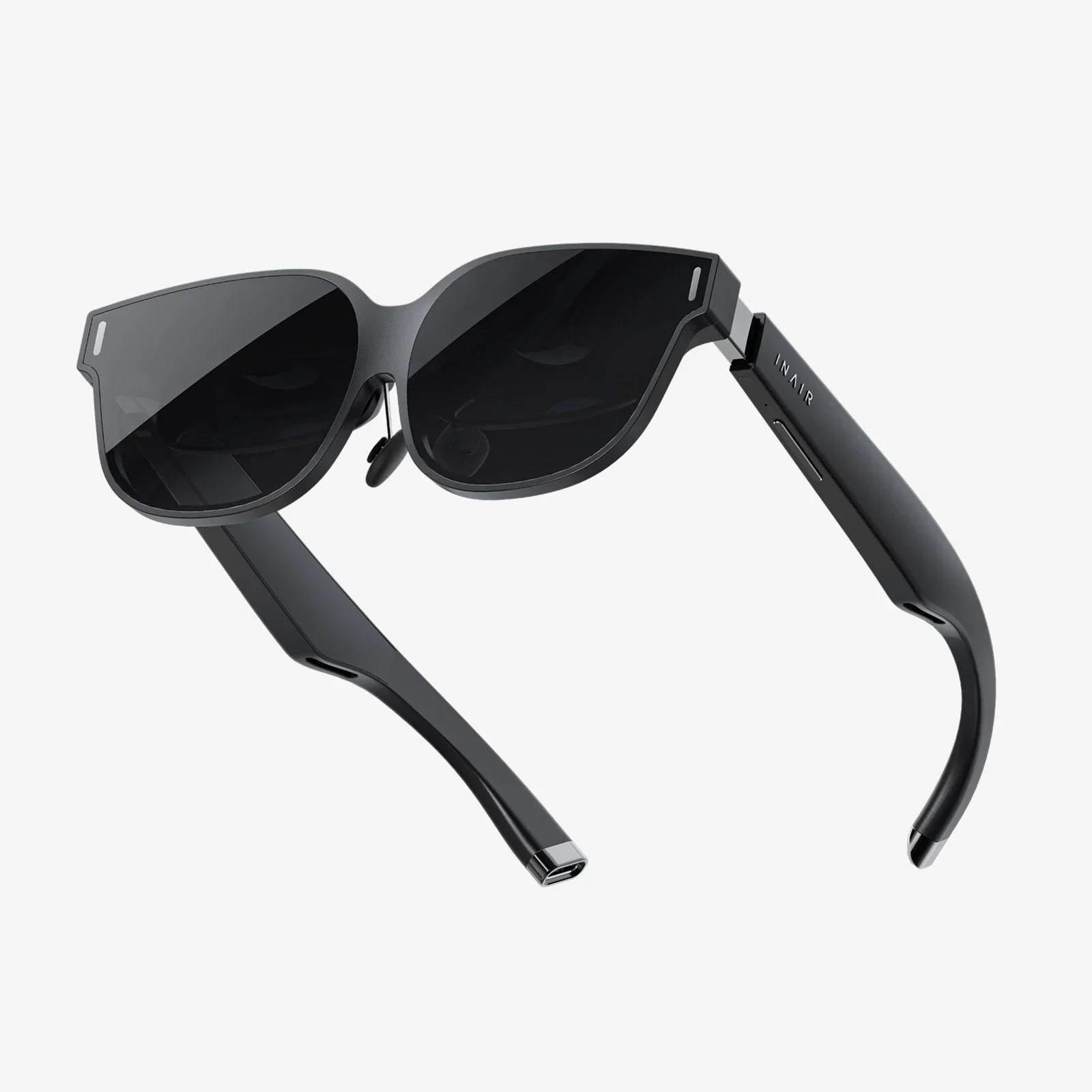
Imagine slipping on a pair of glasses that don't just correct your vision but actively work with you to optimize how you see the world. This isn't science fiction—it's the reality of today's most advanced eyewear, where artificial intelligence transforms ordinary lenses into powerful visual companions. The quest for the best AI prescription glasses represents more than a shopping decision; it's about embracing a technological revolution that personalizes your visual experience in ways previously unimaginable. As these intelligent systems continue to evolve, they're reshaping our understanding of what eyewear can accomplish, merging cutting-edge technology with one of humanity's oldest assistive devices to create something truly extraordinary.
The Evolution of Eyewear: From Simple Correction to Intelligent Enhancement
For centuries, eyeglasses served a single, straightforward purpose: to bend light in a way that compensates for visual imperfections. The fundamental technology remained largely unchanged until the digital age introduced new possibilities. The integration of AI represents the most significant leap forward since the invention of progressive lenses, transforming passive vision correction into dynamic visual enhancement.
Traditional prescription glasses operate on a fixed optical formula determined during an eye exam. While effective, this approach lacks adaptability to our constantly changing visual environments. AI-powered glasses introduce a responsive element to vision correction, creating systems that can adjust to different lighting conditions, distances, and even specific tasks. This represents a paradigm shift from correction to optimization, where your glasses don't just fix problems but enhance capabilities.
Defining AI-Powered Prescription Glasses: What Makes Them 'Smart'?
When we discuss the best AI prescription glasses, we're referring to systems that incorporate artificial intelligence in one or more aspects of their functionality. This intelligence can manifest in several ways throughout the eyewear ecosystem, from the creation process to the final user experience.
At its core, AI in eyewear involves machine learning algorithms that process vast amounts of visual and user data to make intelligent decisions. These systems can analyze how you use your eyes throughout the day, recognize patterns in your visual behavior, and adapt accordingly. The most sophisticated implementations create a feedback loop where the glasses learn from your preferences and habits, continually refining their performance to better serve your needs.
The Technology Behind Intelligent Vision Systems
Creating truly intelligent prescription glasses requires the integration of multiple advanced technologies working in harmony. Understanding these components helps clarify what separates exceptional AI eyewear from mere marketing claims.
Advanced Sensor Integration
The most sophisticated AI glasses incorporate miniature sensors that monitor both environmental conditions and user behavior. These can include light sensors that measure ambient brightness, micro-cameras that track eye movement and pupil dilation, and motion sensors that detect head position and movement patterns. This sensor data provides the raw information that AI algorithms process to make real-time adjustments.
Machine Learning Algorithms
At the heart of AI glasses lie complex algorithms trained on massive datasets of visual information. These systems learn to recognize patterns in how people use their vision across different scenarios. Over time, they can predict when you might need specific visual enhancements based on context—dimming bright lights before you consciously register discomfort or adjusting focus as you shift from reading to distance viewing.
Adaptive Optical Systems
Some advanced implementations feature lenses with adjustable optical properties. Using liquid crystal technology or other innovative approaches, these lenses can change their characteristics in response to electrical signals from the AI system. This allows for dynamic correction that traditional static lenses cannot provide.
Key Benefits of AI-Enhanced Prescription Glasses
The advantages of integrating artificial intelligence with prescription eyewear extend far beyond novelty. These systems offer tangible improvements to visual comfort, efficiency, and overall quality of life.
Personalized Visual Experiences
Traditional glasses provide a one-size-fits-all solution based on a snapshot of your vision during an exam. AI glasses create a customized visual profile that evolves with you. They learn your specific visual habits and preferences, adjusting to provide optimal clarity for your unique patterns of use. This personalization means your glasses work exactly how you need them to in your particular daily environments.
Reduced Eye Strain and Fatigue
By automatically adapting to changing light conditions and visual demands, AI glasses significantly reduce the strain on your eyes. They can minimize harsh blue light exposure during screen time, adjust tint levels based on ambient lighting, and optimize focus for specific tasks. This proactive approach to visual comfort helps prevent the headaches and fatigue associated with traditional glasses that force your eyes to constantly compensate for non-ideal viewing conditions.
Enhanced Performance for Specific Activities
Whether you're reading, driving, working on a computer, or enjoying outdoor activities, AI glasses can optimize your vision for each scenario. The system recognizes context through sensor data and user patterns, then adjusts visual parameters accordingly. This means sharper contrast for reading, reduced glare for driving, and ideal tint levels for outdoor recreation—all from a single pair of glasses.
How AI Transforms the Eyewear Selection Process
The intelligence in AI prescription glasses begins even before you receive your finished product. The technology revolutionizes how we determine the right vision solution through advanced assessment and manufacturing processes.
Precision Prescription Determination
Sophisticated AI systems can analyze thousands of data points during eye exams, identifying patterns that might escape human detection. These systems cross-reference your results with massive databases of vision profiles, helping to ensure your prescription is precisely tailored to your needs. The technology can account for subtle factors that influence visual comfort, creating prescriptions that feel natural rather than just meeting technical specifications.
Intelligent Frame Selection Assistance
Choosing the right frames involves more than aesthetics—fit, comfort, and optical performance all play crucial roles. AI-powered fitting systems use facial recognition technology to analyze your unique facial structure, then recommend frames that provide optimal fit, comfort, and visual performance. These systems consider bridge width, temple length, face shape, and even personal style preferences to suggest options you might not have considered otherwise.
Virtual Try-On Technology
Advanced augmented reality platforms allow you to see exactly how different frames will look on your face from every angle. These systems go beyond simple overlay technology, using AI to understand how light interacts with different materials and how frames will actually sit on your unique facial structure. This creates a try-on experience that closely mirrors trying physical frames, all from the comfort of your home.
Considerations When Choosing AI-Powered Eyewear
Selecting the right AI prescription glasses requires careful evaluation of several factors beyond traditional eyewear considerations. Understanding these elements ensures you choose a system that genuinely enhances your visual experience.
Battery Life and Power Management
Unlike traditional glasses, AI-enhanced versions require power to operate their intelligent features. Consider how the glasses are charged, how long the battery lasts under typical use conditions, and what happens when power is depleted. The best systems offer all-day battery life and maintain basic prescription functionality even when intelligent features are disabled.
Data Privacy and Security
AI glasses process significant amounts of personal data, including information about your daily habits, environments, and even what you look at throughout the day. Reputable manufacturers implement robust privacy protections, transparent data policies, and secure processing methods. Understanding how your data is collected, used, and protected is essential when choosing intelligent eyewear.
Compatibility with Your Lifestyle
Consider how the glasses' features align with your daily activities. If you spend most of your time indoors, advanced light adaptation might be less critical than blue light management. Frequent travelers might prioritize durability and battery life. The best AI glasses for you are those whose intelligent features address your specific visual challenges and lifestyle demands.
The Future of Intelligent Vision Correction
As AI technology continues to advance, the capabilities of prescription glasses will expand in exciting directions. We're moving toward systems that don't just correct vision but enhance it in ways that blur the line between natural and augmented sight.
Future iterations may incorporate more sophisticated environmental awareness, recognizing specific objects or scenarios and adjusting visual parameters accordingly. We might see integration with other smart devices, creating a seamless visual ecosystem that works with your phone, computer, and home environment. The line between prescription glasses and augmented reality interfaces will likely continue to blur, offering both correction and information enhancement in a single device.
Advances in materials science will enable thinner, lighter lenses with more dynamic capabilities, while improvements in battery technology will support more powerful features without compromising wearability. As these technologies mature, AI-powered prescription glasses will become increasingly accessible, moving from specialized products to mainstream vision solutions.
Making the Transition to Intelligent Eyewear
Adopting AI-powered prescription glasses involves an adjustment period as you learn to interact with this new type of visual assistance. Unlike traditional glasses that you simply wear, intelligent glasses require some familiarization with their features and controls.
Most users find the transition surprisingly natural, with the adaptive features becoming seamless extensions of their visual perception within a few days. The key is to spend time understanding the capabilities of your specific system and customizing its settings to match your preferences. Many systems include companion apps that allow you to fine-tune how the glasses respond to different situations, creating a truly personalized visual experience.
It's also important to maintain realistic expectations about what AI can currently achieve. While these systems represent a significant advancement over traditional eyewear, they're not magical solutions to all visual challenges. The best approach is to view them as sophisticated tools that, when properly selected and configured, can provide meaningful improvements to your daily visual experience.
Your journey to better vision is about to get a major intelligence upgrade. The fusion of artificial intelligence with precision optics creates possibilities that extend far beyond simple sight correction, offering a glimpse into a future where your glasses don't just help you see better—they help you see smarter. As this technology continues to evolve, the very definition of 'perfect vision' is being rewritten, with AI systems working alongside your natural visual processing to create experiences that are clearer, more comfortable, and more attuned to your individual needs than ever before possible.
Share:
Can You Wear Glasses With VR? A Complete Guide to Virtual Reality Comfort
Are AI Glasses Real? The Future on Your Face Is Closer Than You Think