


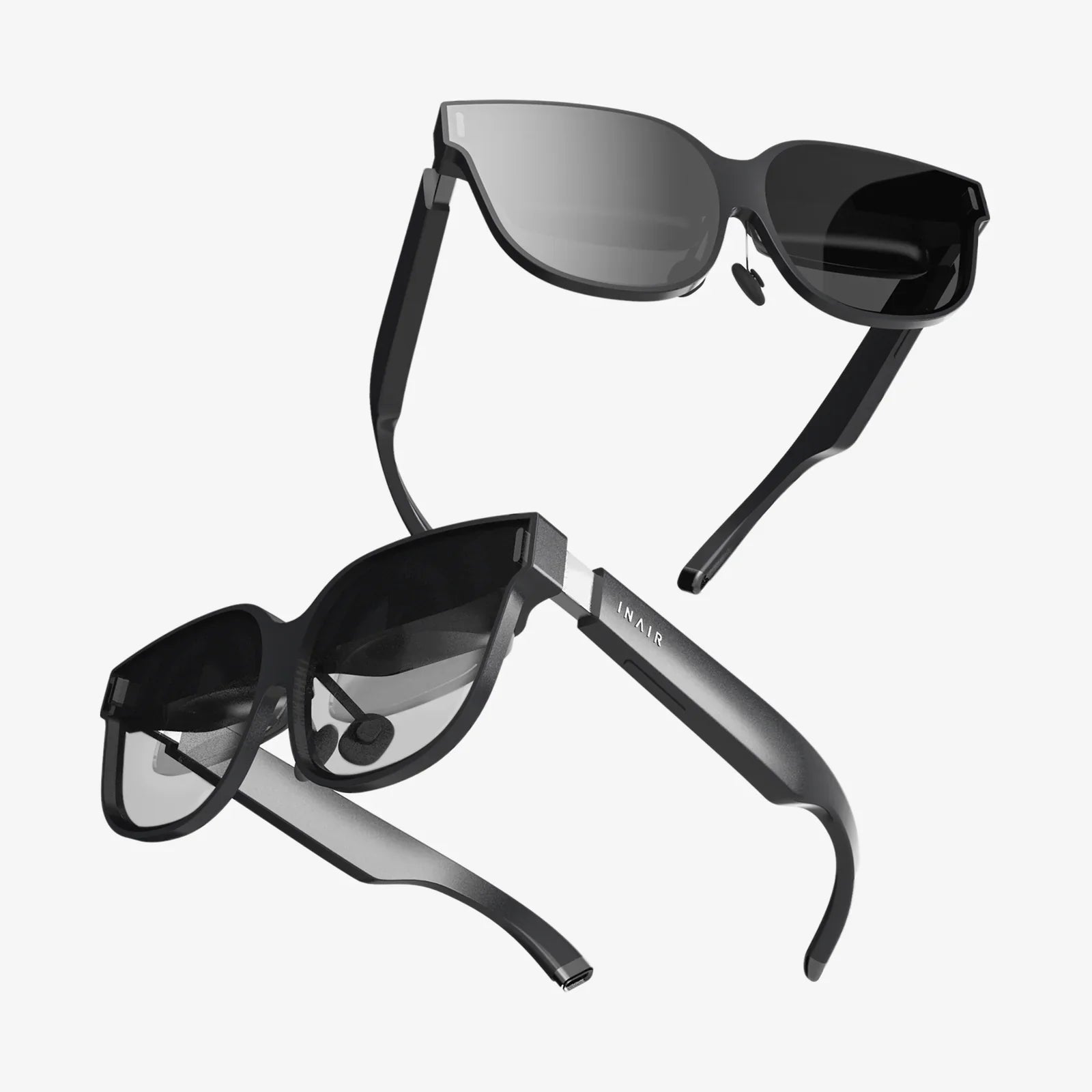
Stepping into a breathtaking virtual world only to be met with the uncomfortable pressure of your headset digging into the frames of your glasses is a frustrating experience many potential VR users fear. The question of compatibility between essential vision correction and cutting-edge immersive technology is a significant one, often acting as a barrier to entry for a huge portion of the population. But what if you could have the best of both worlds? What if your prescription didn't have to be a hurdle to exploring fantastical realms, attending virtual meetings, or experiencing next-generation gaming? The journey to comfortable, clear, and accessible virtual reality for glasses-wearers is not only possible but is a primary focus for designers and users alike. Unlocking this potential requires understanding the why, the how, and the myriad of solutions available today.
The Fundamental Challenge: Why Glasses and VR Can Clash
At its core, the issue is one of physics and geometry. Virtual reality headsets function by placing magnifying lenses very close to your eyes, creating a stereoscopic image that fills your field of view. Your prescription glasses serve a similar purpose, correcting your vision by altering how light enters your pupils. When you place two sets of lenses in series—your glasses followed by the headset's lenses—several problems can arise.
The most immediate issue is physical space. VR headsets are designed to create a light-sealed environment, which means they fit snugly against your face. Glasses add a significant amount of bulk, pushing the headset away from your eyes. This can break the light seal, allowing external light to bleed in and shatter the immersion. It also moves your eyes farther from the headset's sweet spot—the area where the image is clearest and most distortion-free—often resulting in a blurry picture and a reduced field of view.
Then there's the problem of pressure and comfort. To compensate for the added bulk, users often overtighten the headset's straps to prevent it from sliding around. This forces the hard plastic of the headset's facial interface against the often-delicate frames and arms of your glasses, creating painful pressure points on your temples and the bridge of your nose. Extended play sessions can become unbearable, turning an exciting adventure into an exercise in endurance.
Finally, there is the risk of damage. The lenses in a VR headset are typically made of specialized, high-quality plastics that are easily scratched. The hardened glass or plastic of your eyeglasses can, over time, rub against these delicate surfaces, leaving permanent scratches that will appear as blurry or distorted spots in every virtual experience thereafter. Protecting both your expensive headset and your essential prescription glasses is a paramount concern.
Official Solutions and Built-in Accommodations
Thankfully, headset manufacturers are acutely aware that a vast number of their users require vision correction. Consequently, many modern headsets are designed from the ground up with features to better accommodate glasses.
A key feature found on many devices is an adjustable eye relief or a glasses spacer. This is often a simple rubber or plastic insert included in the box that pushes the facial interface foam several millimeters away from the lenses, creating crucial extra room for your frames. Some higher-end models even feature a dial or knob that mechanically moves the lenses closer to or farther from your face, allowing you to find the perfect balance between a wide field of view and ample clearance for your glasses. Always check the box or the manufacturer's instructions for this included accessory; it is the first and easiest step toward comfort.
Another critical design element is the type of facial interface used. The soft foam or silicone gasket that surrounds the lenses is your first point of contact. Many third-party manufacturers offer deeper, more plush interfaces specifically designed for glasses wearers. These are often made from materials like pleather or thicker memory foam, which provide a gentler cushion against your frames while maintaining a better light seal than the standard interface can when glasses are present.
Beyond physical adjustments, some headsets are beginning to integrate software solutions. This includes the ability to input your prescription details directly into the system software. The headset can then digitally adjust the image projected to each eye to correct for nearsightedness, farsightedness, and even astigmatism, potentially negating the need for glasses altogether. While not yet a universal standard, this technology represents the future of accessible VR, offering a bespoke visual experience for every user.
Beyond the Default: Proactive Steps for a Perfect Fit
Even with built-in spacers, achieving ultimate comfort requires a proactive and personalized approach. How you wear your headset is just as important as the headset itself.
Choosing the right glasses is half the battle. If you have multiple pairs, opt for the one with the smallest, most lightweight frames. Large, wide arms (temples) and thick, decorative frames are the primary culprits for discomfort. Narrow wire frames or modern, thin plastic designs are ideal. The arms should be straight rather than curved heavily around your ears, as this allows them to lie flat against your head under the head strap. The flatter the profile of your glasses, the better they will fit within the headset's cavity.
The order of operations when donning the headset is also crucial. The best method is to:
- Loosen the side straps of the headset significantly.
- Hold the headset to your face with one hand and use your other hand to carefully slide the arms of your glasses under the side strap.
- Once the headset is positioned correctly, gently tighten the strap until the headset is secure without applying pressure. The top strap should bear most of the weight.
- Finally, adjust the IPD (Interpupillary Distance) slider if your headset has one. This aligns the lenses with your pupils, which is even more critical when wearing glasses to avoid a double-vision effect.
For those who frequently share their headset or use it in demos, investing in a set of lens protection is non-negotiable. These are simple, cheap, polyurethane bumpers that adhere to the headset's lenses. They act as a sacrificial barrier, absorbing any scratches that might otherwise occur from contact with glasses, keeping the expensive OEM lenses in pristine condition.
The Ultimate Upgrade: Prescription Lens Inserts
For the dedicated VR enthusiast who wears glasses, the single greatest quality-of-life upgrade available is a set of custom prescription lens inserts. These are adapters that magnetically or mechanically clip directly onto the lenses inside the headset, effectively turning your VR device into a vision-corrected tool tailored specifically for you.
The advantages of this solution are profound:
- Unmatched Comfort: It completely eliminates the pressure on your face and temples caused by your glasses frames. The headset can be worn as intended, snug against your face, restoring the full field of view and perfect light seal.
- Optimal Visual Fidelity: Your eyes are positioned in the optical sweet spot of the headset's lenses at all times, providing the sharpest, clearest, and most immersive image possible. There are no frames to limit your peripheral view or cause reflections.
- Superior Protection: The plastic inserts act as a permanent shield for the headset's underlying lenses, protecting them from dust, sweat, and accidental scratches. Your expensive headset investment is safeguarded.
- Convenience: Putting on the headset becomes a one-step process. There's no careful maneuvering of a second set of frames.
These inserts are available from several specialized online retailers. The process involves selecting your headset model and then entering your prescription details, including pupillary distance (PD). The cost is typically far less than a new pair of high-end glasses and is a one-time purchase that transforms the entire VR experience from a compromise to a luxury.
Weighing the Alternatives: Contact Lenses and Beyond
For some, the simplest solution is to avoid the issue of glasses entirely by switching to contact lenses for VR sessions. This is undoubtedly an effective method, providing the full, intended visual experience without any obstructions. However, it's not a perfect solution for everyone. Those with dry eyes may find the focused VR experience exacerbates discomfort. Others may simply find the routine of inserting and removing contacts to be an inconvenient extra step for a spontaneous gaming session.
As mentioned, the horizon holds even more integrated solutions. Software-based correction is in its early stages but holds immense promise for making headsets instantly accessible to anyone, anywhere, without the need for any additional hardware. Imagine a headset that can automatically detect your prescription and adjust itself accordingly—this is the direction the industry is moving toward, aiming to make vision correction a seamless, invisible part of the technology.
The landscape of virtual reality is one of rapid innovation and increasing user-friendliness. The industry has moved past treating glasses wearers as an edge case and now sees them as a core demographic. From simple included spacers to sophisticated custom lenses, the tools to achieve perfect harmony between your vision and your virtual adventures are more accessible and effective than ever before. The question is no longer if you can wear glasses with VR, but how you can tailor your setup to do so in the most comfortable, clear, and immersive way possible.
Imagine a virtual landscape so crisp and a fit so comfortable you forget about the technology on your face entirely. That's the promise modern VR holds for glasses wearers, and it's a promise well within reach. By understanding the tools and tricks at your disposal, from a simple spacer to the game-changing custom inserts, you can confidently step into the metaverse, leaving behind the friction and discomfort for a truly seamless visual journey. The only barrier left is your imagination.
Share:
10 Uses of Augmented Reality: From Gaming to Global Industry Transformation
Best AI Prescription Glasses: The Ultimate Guide to Smarter Vision