


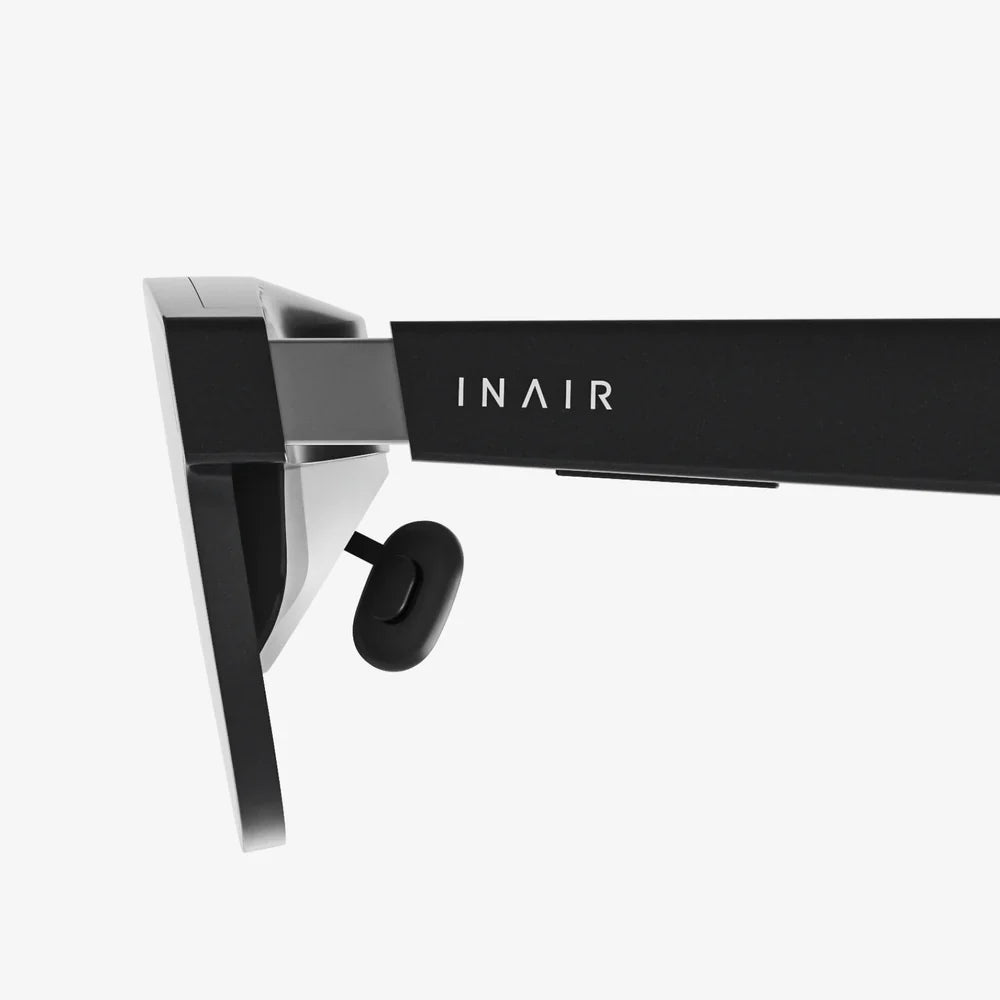
You’ve felt it—that gritty, tired sensation behind your eyes after a long day staring at screens. The dull headache that starts at your temples and the inexplicable fatigue that sets in hours before bedtime. In our hyper-connected world, these symptoms are becoming a universal experience, a silent tax levied by our digital lives. But what if a simple, elegant solution existed, one that could filter out the digital noise and let your eyes finally relax? The search for the best screen glasses isn't about following a trend; it's about reclaiming your visual comfort and long-term well-being.
The Digital Assault on Our Eyes: Understanding the Need
Before we can appreciate the solution, we must understand the problem. Modern life is bathed in artificial light, much of which emanates from the devices we hold dear. The primary culprits of digital eye strain, also known as Computer Vision Syndrome, are:
- High-Energy Visible (HEV) Blue Light: Emitted in significant quantities by LEDs, smartphones, tablets, and computer monitors. This short-wavelength, high-energy light scatters more easily than other visible light, making it harder for our eyes to focus, leading to eye strain. Its disruptive effect on our circadian rhythms by suppressing melatonin production is also well-documented.
- Screen Glare: Reflections and harsh lighting create contrast issues, forcing our pupils to constantly adjust and our eyes to work harder to decipher on-screen information.
- Pixelation: Unlike printed text, digital characters are made of tiny pixels, which lack the well-defined edges of ink on paper. Our eyes continually struggle to maintain focus on these less-sharp images, leading to fatigue.
The cumulative effect is more than just temporary discomfort. Chronic exposure can contribute to long-term retinal damage and persistent sleep disorders. This is not a niche issue; it's a public health concern in the digital age, making the quest for the best screen glasses a critical one for virtually everyone.
Beyond the Hype: What Do Screen Glasses Actually Do?
At their core, the best screen glasses are precision optical tools designed to act as a selective filter between your eyes and your digital environment. They are not merely tinted lenses. Their efficacy lies in sophisticated lens technology that addresses the specific challenges posed by screens:
- Blue Light Filtering: The primary function. Special coatings or lens materials are engineered to selectively block or absorb a significant percentage of HEV blue light (typically in the 400-455nm range, which is most harmful), while allowing other beneficial light waves to pass through. This reduces the amount of strain-inducing light reaching your retina.
- Anti-Glare Coating: An essential feature that minimizes reflections from both the front and back of the lens. This reduces glare from overhead lights and windows, increasing contrast and making it easier to see your screen clearly for extended periods.
- Vision Optimization:
Many options include a slight magnification (a low-power, like +0.25 or +0.50) which helps your eyes maintain focus at the intermediate distance of a computer screen, reducing the focusing effort required by your ciliary muscles. For those with prescription vision needs, these features can be seamlessly integrated into corrective lenses.
The Hallmarks of Quality: What to Look For
Not all blue light glasses are created equal. Discerning the best screen glasses from mediocre ones requires attention to several key factors:
- Blue Light Blocking Percentage: This is a crucial metric. Quality glasses will often specify what percentage of blue light they filter out (e.g., 30%, 50%, or even over 90% for specialized nighttime use). A higher percentage isn't always better for daytime, as some blue light is necessary for alertness and color perception. Look for a balanced approach.
- Lens Clarity and Color Accuracy: The best lenses maintain exceptional optical clarity with a minimal color tint. Early versions had a strong amber or yellow hue, but modern high-quality coatings are virtually clear, preventing color distortion which is vital for designers, photographers, and anyone who requires accurate color representation.
- Build Quality and Comfort: You’ll likely be wearing these for many hours. Lightweight frames, flexible hinges, and comfortable nose pads are non-negotiable for all-day wear. The glasses should feel like a natural extension of yourself, not a burden.
- Comprehensive Protection: Ensure the glasses offer full protection, blocking light from all angles. Wraparound styles or glasses with large lenses protect from peripheral light exposure, which can be just as significant.
A Lens for Every Lifestyle: Navigating the Options
The concept of a one-size-fits-all solution is outdated. The best screen glasses for you depend entirely on your daily habits and needs.
- The Daytime Professional: For those working standard hours in an office environment, clear or nearly clear lenses are ideal. They block enough blue light to reduce eye strain and headaches without altering color perception, making them socially and professionally acceptable to wear all day in meetings and at your desk.
- The Night Owl and Gamer: For use after sundown or during long gaming sessions, lenses with a stronger amber or yellow tint are highly effective. They block a higher percentage of blue light, which is crucial for protecting melatonin production and signaling to your brain that it's time to wind down, even if you're still active.
- The Outdoors and On-the-Go User: For those who move between indoor screens and bright outdoor environments, photochromic lenses that adapt to light conditions are a fantastic innovation. They darken slightly outdoors and clear up indoors, offering blue light protection and glare reduction in both settings.
- The Prescription Wearer: Anyone who already wears corrective lenses can and should integrate blue light filtering and anti-glare coatings into their regular prescription glasses. This is often the most effective and convenient solution, eliminating the need to switch between multiple pairs.
Debunking Common Myths and Setting Realistic Expectations
With popularity comes misinformation. It’s important to separate fact from fiction.
Myth 1: They are a cure-all for vision problems.
Truth: The best screen glasses are a preventive and protective tool. They will not correct astigmatism, nearsightedness, or other vision issues. They reduce strain and filter harmful light, but they are not a substitute for comprehensive eye care or a diagnosis from a qualified professional.
Myth 2: The darker the tint, the better they work.
Truth: The effectiveness is determined by the specific filtering technology, not the depth of the tint. Many clear lenses now offer excellent blue light protection without any noticeable color change.
Myth 3: You only need them when using a computer.
Truth: Blue light emission is ubiquitous. It comes from fluorescent and LED lighting, your smartphone, your television, and your tablet. If you spend significant time in artificially lit environments or on devices, you are being exposed.
Setting realistic expectations is key. The best screen glasses will not instantly erase years of eye fatigue, but with consistent use, most users report a significant reduction in dry eyes, headaches, and eye strain within days. Improved sleep quality often follows suit for those who wear them in the evening.
Integrating Screen Glasses into a Holistic Eye Health Strategy
Think of screen glasses as your first line of defense, not your only defense. For true digital wellness, pair them with healthy habits:
- The 20-20-20 Rule: Every 20 minutes, look at something 20 feet away for at least 20 seconds. This simple practice gives your focusing muscles a critical break.
- Optimize Your Workspace: Position your screen so it's about an arm's length away, with the top of the monitor at or slightly below eye level. Adjust brightness and contrast to comfortable levels and increase text size if necessary.
- Remember to Blink: People blink significantly less often when staring at screens, leading to dry eyes. Make a conscious effort to blink completely and regularly.
- Night Mode Settings: Use the built-in blue light shifting features on your devices (e.g., Night Shift on iOS, Night Light on Android and Windows) in conjunction with your glasses, especially during evening hours.
This multi-faceted approach creates a comprehensive strategy for protecting your eyesight in a world that constantly demands it.
Imagine ending your workday not with a throbbing headache and exhausted eyes, but with a sense of clarity and readiness to enjoy your evening. The subtle pressure to squint at your phone vanishes, replaced by a comfortable, crisp view. Your wind-down routine before bed becomes more effective, leading to deeper, more restorative sleep. This isn't a futuristic fantasy; it's the tangible reality offered by finding the right pair of screen glasses. It’s an investment not in a gadget, but in your comfort, your health, and your quality of life, empowering you to harness the power of technology without paying the price with your well-being.
Share:
Augmented Reality VR Headset: The Portal to a New Digital Layer of Reality
What Is Augmented Reality Used For - Exploring Its Transformative Applications Across Industries