


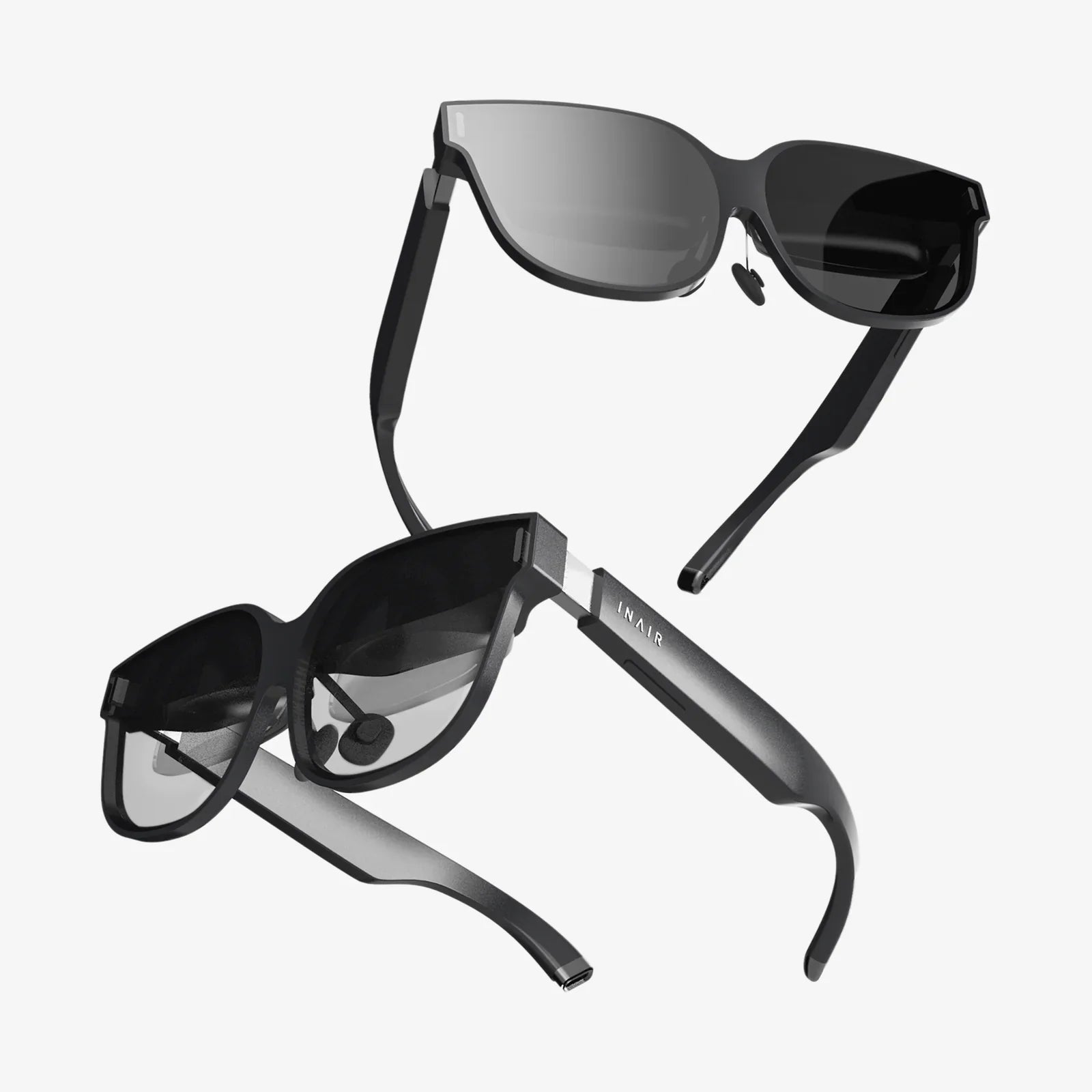
Imagine a world where information flows seamlessly into your field of vision, where digital assistants whisper in your ear without a visible device, and where your reality can be augmented, translated, or recorded with a simple glance. This isn't science fiction; it's the present reality, and it’s being delivered by the hottest wearable tech to hit the market: best-selling smart glasses. These devices are rapidly moving from niche gadgets for tech enthusiasts to mainstream accessories, promising to change how we interact with the digital world and each other. The surge in their popularity isn't just a trend; it's the beginning of a fundamental shift in personal computing, and everyone is asking the same question: what makes this new wave of eyewear so compelling?
The Evolution of a Vision: From Concept to Consumer Staple
The journey of smart glasses has been a long and often rocky one. Early attempts were bulky, expensive, and socially awkward, often perceived as intrusive or simply too geeky for the average consumer. They promised a futuristic experience but were hampered by technological limitations and a lack of clear, practical use cases that resonated with the public. However, these pioneers laid the crucial groundwork. They proved the concept was viable and began the important process of normalizing the idea of computers worn on the face. The lessons learned from these initial stumbles were invaluable. Developers realized that for smart glasses to become best-sellers, they needed to be more than just powerful; they needed to be stylish, comfortable, socially acceptable, and solve genuine everyday problems. This shift in philosophy marked the turning point. The focus moved from creating a jarringly obvious piece of tech to designing a subtle and useful accessory that people would actually want to wear all day.
Decoding the Hype: What Makes Smart Glasses "Smart"?
At their core, best-selling smart glasses are a sophisticated blend of miniaturized hardware and intelligent software. Unlike virtual reality headsets that create entirely immersive digital environments, smart glasses are designed for augmented reality (AR)—overlaying useful digital information onto the real world you see through the lenses. The magic happens through a combination of key components. A small, transparent display system, often using waveguide or microLED technology, projects images onto the lenses, allowing you to see text, graphics, or videos without obstructing your view. Integrated cameras enable first-person photo and video capture, object recognition, and translation features. Bone conduction speakers or miniature directional speakers deliver audio directly to your ears without blocking ambient noise, allowing you to listen to music or take calls while still being aware of your surroundings. A array of sensors, including accelerometers, gyroscopes, and magnetometers, track your head movements and orientation to anchor digital content accurately in your physical space. Finally, a microphone array allows for voice commands and clear call quality, all powered by a compact but efficient battery system designed to last throughout the day.
Beyond the Gimmick: Core Features Driving Sales
The success of any tech product hinges on its utility, and best-selling smart glasses have moved far beyond novelty. Their feature set is now squarely aimed at enhancing productivity, connectivity, and accessibility.
Seamless Audio and Communication
Perhaps the most immediately appreciated feature is hands-free calling and audio. By integrating high-quality speakers and microphones, these glasses allow users to manage phone calls, participate in video conferences, and interact with voice assistants without ever reaching for their phone. This is a game-changer for multitaskers, professionals on the go, and anyone who needs to stay connected while keeping their hands free for other tasks, from cooking to cycling.
Instant Content Capture
The ability to capture photos and record short videos from a first-person perspective is incredibly powerful. It allows for a more immersive and authentic form of documentation—recording a child's first steps, capturing a stunning sunset during a hike, or quickly snapping a picture of a written note or diagram without fumbling for a phone. This perspective feels natural and unobtrusive, preserving moments as you actually experience them.
Real-Time Information Display
This is the true promise of AR. Smart glasses can overlay a wealth of contextual information directly into your line of sight. Imagine walking through a foreign city and seeing translated street signs appear in your native language. Or having navigation arrows painted onto the sidewalk in front of you, guiding you to your destination without needing to look down at a map. For professionals, this could mean viewing schematics or patient data hands-free while performing a task.
Accessibility and Assistance
The technology holds profound potential for accessibility. Real-time captioning for the hearing impaired, object recognition and description for the visually impaired, and memory aids that display names and information about people you meet are just a few of the ways smart glasses can break down barriers and empower users.
The Form Factor Revolution: Design Meets Technology
A critical factor separating today's best-sellers from past failures is design. Manufacturers have finally acknowledged that if people are to wear these devices daily, they must be indistinguishable from regular, stylish eyewear. The goal is subtlety. The technology is now so miniaturized that it can be embedded into frames that look and feel like classic glasses. Consumers can often choose from a variety of frame shapes, colors, and lens options, including prescription lenses, ensuring the glasses are not only smart but also personally tailored to the wearer's style and vision needs. This focus on aesthetics has been paramount in overcoming the social stigma and making the technology feel like a natural part of one's wardrobe rather than a piece of conspicuous tech gear.
Weighing the Vision: Addressing Privacy and Social Considerations
As with any powerful new technology, the rise of smart glasses brings important questions about privacy and social etiquette. The capability to record video and audio discreetly makes some people understandably nervous. The concept of being recorded in public without explicit knowledge challenges existing social norms. Responsible manufacturers are addressing these concerns head-on. Many have implemented clear, always-visible recording indicators—like a small LED light—to inform others when the camera is active. There is also an ongoing cultural conversation about establishing new norms for the use of such devices in social and public settings. Furthermore, data security is paramount; ensuring that the personal information, location data, and recorded media captured by these glasses are encrypted and protected is a non-negotiable aspect of their development. Navigating these concerns ethically is not just a legal necessity but a crucial step in fostering widespread public trust and acceptance.
A Glimpse into the Future: Where Do We Go From Here?
The current generation of best-selling smart glasses is impressive, but it merely scratches the surface of what's possible. The future roadmap for this technology is breathtaking. We are moving towards displays with higher resolution, wider fields of view, and more vibrant colors, making digital overlays more immersive and realistic. Advances in artificial intelligence and machine learning will make digital assistants more contextual and proactive, anticipating your needs based on what you see and hear. Haptic feedback could be integrated to provide tactile sensations, and eye-tracking technology will allow for intuitive control through gaze alone. Eventually, we may see the convergence of VR and AR into a single pair of glasses capable of seamlessly switching between fully immersive experiences and augmented reality. The ultimate goal is a device that feels like a natural extension of our own senses, dissolving the boundary between the physical and digital worlds entirely.
The market for smart glasses is no longer just buzzing; it's booming, and for good reason. They represent a more intuitive, integrated, and human-centric way to interact with technology. By prioritizing design, practicality, and user experience, today's best-selling models have successfully transitioned from a fascinating prototype to a must-have gadget for the modern, connected individual. The journey has just begun, and the view through these lenses has never looked more exciting.
Share:
Smart Glasses That Project Screen: The Invisible Revolution Reshaping Reality
Super Screen VR: The Ultimate Immersive Experience Redefining Reality