


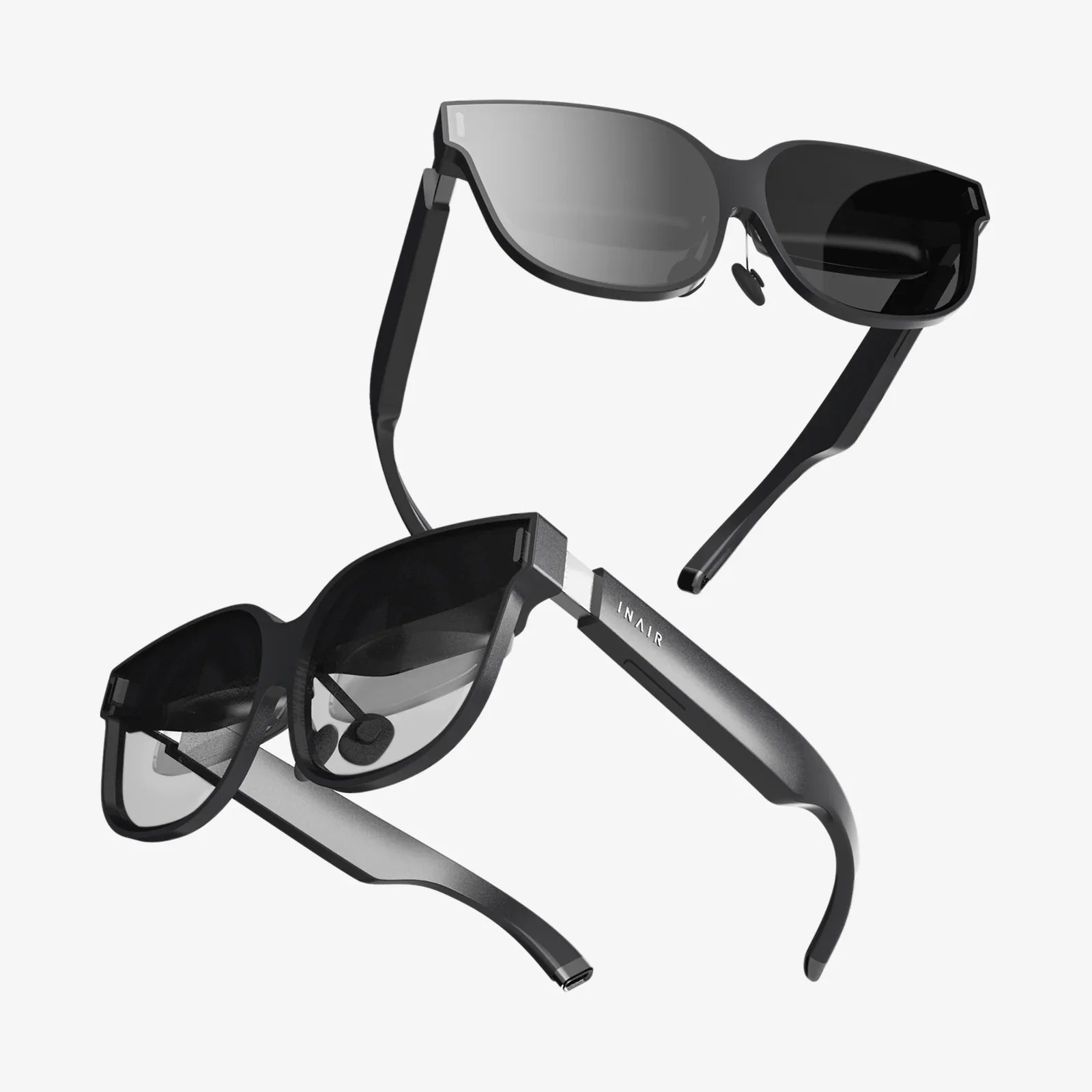
Imagine slipping into a new reality, exploring distant planets, walking through ancient ruins, or sitting courtside at a championship game—all from the comfort of your living room. The gateway to these adventures is no longer a bulky, expensive piece of hardware reserved for elite gamers; it's the powerful computer in your pocket and the best smartphone VR headset you can pair it with. Mobile virtual reality has democratized immersive experiences, offering a surprisingly accessible and potent portal to other worlds. But with a market flooded with options, from simple cardboard viewers to sophisticated wearable displays, how do you find the perfect headset to unlock your phone's hidden potential? This definitive guide cuts through the noise to help you discover the ideal companion for your journey into the virtual realm.
The Evolution of Mobile Virtual Reality
The journey of smartphone-based VR is a fascinating tale of rapid innovation. It began with humble origins, most notably with the advent of simple, affordable viewers made from cardboard and basic lenses. These early adopters proved the concept: that a smartphone's high-resolution screen, powerful processor, and array of sensors could be harnessed to create a credible stereoscopic 3D experience. This initial wave sparked a revolution in accessibility, putting VR into the hands of millions.
As the technology matured, so did the hardware. Manufacturers began developing more sophisticated headsets constructed from durable plastics and foams, featuring adjustable head straps, improved lens systems, and integrated control mechanisms. This second wave focused on comfort and immersion, addressing the limitations of their primitive predecessors. The software ecosystem flourished in tandem, with app stores offering a wealth of VR content, from breathtaking 360-degree videos and interactive educational tours to full-fledged games. Today, the best smartphone VR headset represents the pinnacle of this evolution, offering features once thought impossible for mobile devices, such as wide field-of-view (FOV), precise positional tracking via external sensors, and ergonomic designs that allow for extended, comfortable use.
Key Features to Look For in a Smartphone VR Headset
Not all headsets are created equal. Discerning the best from the rest requires a careful examination of several critical features that directly impact the quality of your virtual experience.
1. Lens Quality and Field of View (FOV)
The lenses are the windows to the virtual world. Their primary job is to focus and reshape the image from your phone's screen into a believable, immersive panorama. High-quality, aspherical lenses minimize distortion, chromatic aberration (color fringing), and the "screen door effect" (the visible lines between pixels). The Field of View, measured in degrees, determines how much of your vision is occupied by the virtual environment. A wider FOV, typically between 90 and 110 degrees, is crucial for deeper immersion, making you feel truly "inside" the experience rather than looking through a narrow window.
2. Build Quality, Comfort, and Ergonomics
A VR session can last anywhere from a few minutes to a few hours. A headset's construction and design play a massive role in whether that time is enjoyable or unbearable. Look for a model that balances durability with lightweight materials. Padding, especially around the eyes and the area that rests on your nose and forehead, should be soft, breathable, and removable for cleaning. The head strap system is paramount; a robust, adjustable triple-strap design (over the head and on both sides) distributes weight evenly and secures the headset firmly, preventing slippage during more active experiences. A well-designed headset should feel secure yet never create painful pressure points.
3. Compatibility and Phone Fit
This is arguably the most crucial consideration for mobile VR. The headset must physically accommodate your specific smartphone model. Most modern headsets feature an adjustable tray or clamping mechanism that can hold a range of phone sizes, but it's essential to check the manufacturer's specifications for minimum and maximum dimensions. Furthermore, the headset must provide access to the phone's charging port, headphone jack (if applicable), and buttons for volume and power. A poorly designed cradle can block these essential features, limiting your session length or audio options.
4. Tracking and Input Methods
Interaction is key to VR. Basic headsets rely solely on your phone's internal gyroscope and accelerometer for head tracking—this means you can look around the environment by moving your head, but you cannot lean forward or sideways (this is called 3 Degrees of Freedom, or 3DoF). More advanced headsets include additional external sensors or cameras that enable positional tracking (6 Degrees of Freedom, or 6DoF), allowing you to move your head freely within a small space, which dramatically increases the sense of presence. For input, many headsets come with a separate wireless controller, often Bluetooth-based, that is tracked rotationally by the phone's sensors. Some premium models may even include a dedicated controller with its own positional tracking for more precise interactions.
5. Ventilation and Heat Management
Running high-fidelity VR applications is a demanding task that will cause your smartphone's processor to generate significant heat. A common issue with enclosed headsets is fogging of the lenses and potential phone overheating, which can trigger performance throttling or even a shutdown. The best smartphone VR headset will incorporate intelligent design elements to mitigate this, such as venting channels, open-faced designs, or spaces that allow air to circulate around the device, keeping both your phone and your face cooler during extended use.
Weighing the Pros and Cons of Smartphone VR
Before diving in, it's important to understand the landscape of mobile VR compared to other options on the market.
Advantages:
- Accessibility and Cost-Effectiveness: The biggest advantage. Since you already own the core processing unit (your phone), the entry cost is significantly lower than investing in a standalone or PC-powered VR system.
- Portability: Most smartphone headsets are lightweight and relatively compact, making them easy to take to a friend's house or on a trip.
- Ease of Use: Setup is typically straightforward—insert your phone, put on the headset, and you're ready to go. There are no external sensors to calibrate or powerful PCs to configure.
- Content Library: Access to a vast array of VR apps, games, and 360-degree content on major app stores.
Limitations:
- Performance Cap: The experience is limited by your phone's processing power, graphics capability, and battery life. It cannot match the visual fidelity or complexity of experiences run on dedicated VR systems.
- Potential for Discomfort: The weight of the phone is borne on the front of your face, which can lead to neck strain and a front-heavy feeling if the headset isn't well-balanced.
- Simplified Tracking: While adequate for many experiences, the tracking is generally less precise and feature-rich than the lighthouse or inside-out systems used by dedicated headsets.
Beyond the Headset: Essential Accessories and Software
Your journey doesn't end with the headset. To get the most out of your mobile VR setup, consider these additions.
Must-Have Apps and Platforms
Your VR home is your app store. Explore platforms dedicated to curating VR content. Look for apps that offer:
- 360-Degree Videos: Travel, documentary, and music experiences from creators worldwide.
- Interactive Games: From simple puzzle games to more involved adventures.
- Social VR: Apps that allow you to meet and interact with others in virtual spaces.
- Educational Tools: Explore the human body, the solar system, or historical events in immersive detail.
Enhancing Your Experience
A good pair of headphones is non-negotiable for spatial 3D audio, which is critical for immersion. A Bluetooth gamepad can unlock a library of more traditional games that have been adapted for VR. If you're serious about content consumption, consider a dedicated VR media player app that supports a wider range of video formats and offers customizable virtual environments for watching movies.
The Future of Smartphone VR
The line between mobile and dedicated VR is beginning to blur. Newer technologies like augmented reality (AR) are converging with VR, promising mixed-reality experiences. Furthermore, the concept of "cloud VR," where the heavy processing is done on remote servers and streamed to a lightweight headset, could be the next evolution, eliminating the phone-in-the-headset model entirely and leveraging its power for display and tracking only. While dedicated systems will always push the boundaries of high-end VR, the best smartphone VR headset will continue to serve as the most important entry point for bringing virtual experiences to a global audience.
The world of virtual reality is waiting, and it's more accessible than you think. With the right headset, your smartphone transforms from a communication device into a spaceship control panel, a time machine, or a front-row ticket to events across the globe. By prioritizing lens clarity, enduring comfort, and seamless compatibility, you can find the perfect key to unlock these countless digital dimensions. Your next great adventure is just a headset away, ready to redefine your perception of entertainment, education, and connection.
Share:
Best VR Headset for Work: Revolutionizing Productivity in the Virtual Office
Augmented Reality vs Auditory: The Silent War for Our Senses