


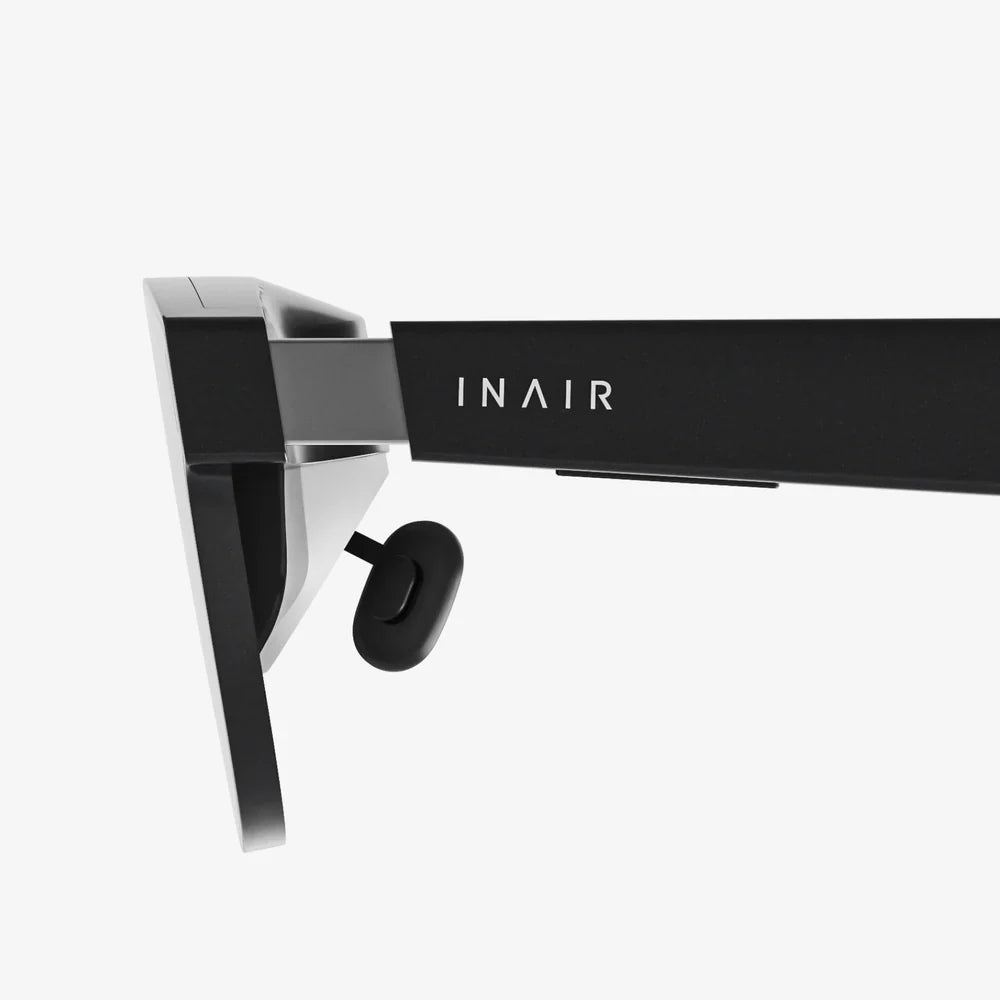
Imagine stepping into your personal office, a serene space with a breathtaking mountain view, where your digital monitors float perfectly in your field of vision, and your colleagues from across the globe sit across from you as lifelike avatars, ready to collaborate. This isn't a scene from a science fiction movie; it's the emerging reality of the modern workplace, powered by immersive technology. The quest for the best VR headset for work is about more than just purchasing hardware; it's about investing in a fundamental shift in how we conceive productivity, collaboration, and the very nature of the office itself. This technology promises to solve some of the most persistent challenges of remote work, from isolation to technological limitations, offering a glimpse into a future where work is defined by what you do, not where you are.
The Evolution of the Workspace: From Physical to Virtual
The traditional office has undergone a radical transformation. The rapid shift to remote work exposed both the incredible flexibility of digital tools and their stark limitations. Video conferencing fatigue, the struggle to replicate spontaneous “water cooler” moments, and the challenge of collaborating on complex 3D designs or vast data sets through a flat screen became daily hurdles. The market responded with a new category of device: not just VR for gaming, but professional-grade headsets designed explicitly for productivity. These devices aim to create a sense of presence—the feeling of actually being in a shared space with others—which is the missing ingredient in most remote collaboration. This evolution marks a move from simply connecting through screens to inhabiting a shared digital environment.
Defining "Work" in a Virtual Context
Before evaluating hardware, it's crucial to understand the diverse applications of virtual reality in a professional setting. "Work" encompasses a wide spectrum of activities, each with its own technological demands.
- Remote Collaboration & Meetings: Moving beyond video calls to immersive meetings in customizable virtual boardrooms where body language and spatial audio make interactions more natural and engaging.
- Focused, Deep Work: Creating a perfect, distraction-free personal office with multiple virtual monitors, allowing for unparalleled focus regardless of one's physical surroundings.
- Design & Prototyping: Architects, engineers, and product designers can step inside their 3D models at life-size scale to review and iterate in ways impossible on a 2D screen.
- Training & Simulation: From medical procedures to complex machinery operation, VR provides a safe, repeatable, and highly effective training environment.
- Data Visualization: Immersing oneself in complex data sets, from financial markets to scientific simulations, to identify patterns and insights that would otherwise remain hidden.
The best VR headset for work is one that excels across these varied use cases, providing a versatile platform for productivity.
Critical Features of a Professional-Grade Headset
Not all headsets are created equal. While consumer models focus on gaming, a device built for productivity must prioritize a different set of features to ensure comfort, clarity, and functionality throughout an entire workday.
Visual Fidelity and Resolution
This is arguably the most critical factor. Reading text on virtual monitors for hours requires exceptionally high resolution and pixel density to prevent eye strain and fatigue. Screendoor effect—the visible gaps between pixels—must be virtually nonexistent. A high pixel-per-degree (PPD) count is a key metric, ensuring text is as sharp and readable as on a high-quality physical monitor.
Ergonomics and Comfort
Professionals cannot be expected to wear a heavy, front-heavy device for extended periods. The ideal headset uses lightweight materials, often with a counter-balanced design or an alternative strap system that distributes weight comfortably across the head. Breathable materials are essential to prevent overheating during long sessions. The ability to wear prescription glasses inside the headset, or better yet, to use custom magnetic prescription lenses, is a non-negotiable feature for many users.
Passthrough Technology
A high-fidelity, full-color video passthrough is the bridge between the virtual and physical worlds. It allows users to see their keyboard, take a sip of coffee, or check their phone without removing the headset. For a seamless workflow, low-latency and high-resolution passthrough are essential, transforming the headset from an isolating device into an augmented reality tool that blends digital content with the real world.
Controllers and Input Methods
While hand-tracking technology is rapidly improving, allowing users to manipulate virtual interfaces with natural gestures, precise controllers are still vital for many tasks. The best setups offer both, enabling a user to switch effortlessly between typing on a physical keyboard, using controllers for detailed design work, and using hand-tracking for intuitive menu navigation.
Software Ecosystem and Integration
The hardware is useless without a robust software platform. This includes native virtual desktop applications for screen mirroring, dedicated collaboration suites for meetings, and support for professional software integration. The platform's stability, security, and update schedule are just as important as the physical specs of the headset itself.
Battery Life and Connectivity
For untethered freedom, all-day battery life is a dream, but currently, most standalone headsets require a power connection for extended use. Some professional models offer hot-swappable batteries or the option to be used in a tethered mode for unlimited power. Connectivity options like Wi-Fi 6E support are also crucial for streaming high-resolution content without lag.
The Human Factor: Overcoming Adoption Hurdles
Implementing this technology in a workplace is not just a technical challenge; it's a human one. Common concerns include motion sickness, a learning curve for less tech-savvy employees, and the social awkwardness of communicating through avatars. The best strategy is gradual adoption. Start with specific use cases, like virtual team meetings once a week or dedicated deep work sessions, rather than mandating an entire 40-hour workweek in VR. Providing thorough training and technical support is essential for smoothing this transition and demonstrating the tangible value the technology brings to individual workflows.
The Future of Work is Immersive
We are standing at the precipice of a new era. The technology is advancing at a breakneck pace, with future iterations promising even higher resolution, more natural avatars with eye and face tracking, lighter form factors, and deeper integration with the tools we use every day. The concept of the "metaverse" for business is evolving from a buzzword into a practical framework for a more connected, flexible, and human-centric approach to work. The physical office will not disappear, but its role will change, becoming a place for intentional, scheduled social connection, while the virtual office becomes the default space for focused, individual work and collaborative meetings.
The journey to find the best VR headset for work is ultimately a journey to redefine your relationship with productivity. It's about breaking free from the constraints of physical location and flat screens to embrace a world of infinite digital workspaces. The right device acts as a portal, not to an escape from reality, but to a more focused, collaborative, and ultimately more human version of it. The future of your career isn't just on a screen; it's all around you.
Share:
AI Force Working Augmented Reality Goggles Are Revolutionizing the Modern Workforce
Best Smartphone VR Headset - Your Ultimate Guide to Mobile Virtual Reality