


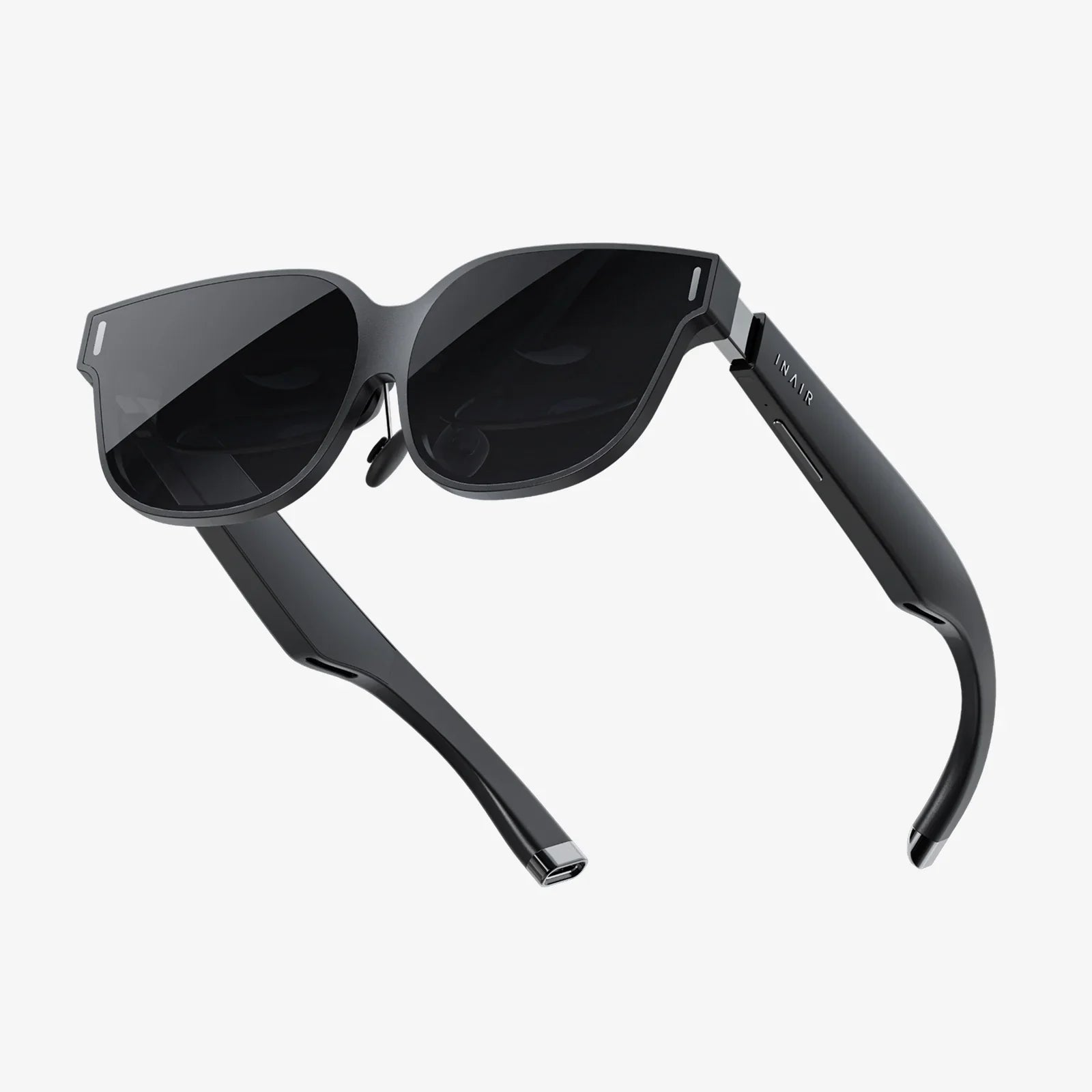
Imagine slipping on a headset and instantly being transported to a concert front-row, a pristine Martian landscape, or the depths of the ocean—all from your living room. This is the promise of virtual reality, a technology that has evolved from science fiction fantasy into a powerful, accessible medium. But the true magic doesn't lie in the hardware alone; it's unlocked by the software. The quest for the best virtual reality app is a deeply personal journey, one that hinges on your individual desires for escape, education, connection, or creation. This comprehensive guide will navigate the vast and thrilling ecosystem of VR applications, helping you discover the perfect portal to your next adventure.
The Many Faces of Virtual Reality: Defining Your "Best"
There is no single "best" virtual reality app that reigns supreme for every user. The ideal application is the one that perfectly aligns with your intent. The VR landscape is broadly divided into several compelling categories, each offering a unique type of value and experience.
Gaming and Interactive Experiences: For many, gaming is the quintessential VR experience. These apps are designed for pure immersion, placing you directly in the center of the action. They range from heart-pounding horror titles and intricate puzzle games to physically active rhythm games and epic adventures.
Social and Collaborative Platforms: VR has shattered the limitations of traditional video calls. The best social apps allow you to inhabit a shared digital space with friends, family, or colleagues. You can watch movies together on a virtual big screen, play games, attend live events, or simply hang out as expressive avatars, making distance feel meaningless.
Creative and Design Tools: Unleash your inner artist or architect. These applications provide you with a full suite of tools to paint, sculpt, model, and animate in three-dimensional space. You are no longer constrained by a 2D screen; you can walk around your creation, manipulate it with your hands, and build worlds from nothing.
Fitness and Wellness Applications: Transform your workout from a chore into an adventure. VR fitness apps gamify exercise, motivating you with goals, rewards, and engaging environments. From boxing and dancing to yoga and meditation, these apps offer a potent blend of physical exertion and mental escape.
Educational and Exploratory Journeys:
Step inside a human cell, walk through ancient Rome, or practice public speaking in front of a virtual audience. Educational VR apps provide experiential learning that is impossible to replicate in a textbook or video, making complex subjects tangible and unforgettable. While personal preference is key, the applications that consistently rise to the top share a common set of qualities that define a premium VR experience. Unwavering Immersion and Presence: The primary goal of any VR app is to make you forget you're wearing a headset. This is achieved through a combination of high-fidelity graphics, convincing 3D spatial audio, and intuitive interaction. The best apps pay meticulous attention to detail—the way light filters through a virtual tree, the echo of a sound in a cavern, the haptic feedback from a controller—all working in concert to sell the illusion of reality. Intuitive and Natural Interaction: Clunky menus and awkward controls are the quickest way to break immersion. Top-tier applications design their interaction mechanics to feel as natural as possible. Whether you're grabbing objects with a virtual hand, using voice commands, or employing motion controllers that mimic real-world actions, the interface should feel like an extension of yourself, not a barrier to the experience. Strong Replayability or Long-Term Value: A great VR app is one you return to again and again. This could be driven by a compelling narrative with branching paths, a robust social component with a thriving community, user-generated content that offers infinite possibilities, or a progression system that provides a constant sense of achievement. Performance and Optimization: Even the most creative idea is ruined by technical shortcomings. A smooth, consistent frame rate is non-negotiable for comfort. The best apps are well-optimized to run flawlessly on their intended hardware, ensuring you stay engaged in the experience, not distracted by lag or glitches. Active Development and Community Support: The digital world shouldn't feel abandoned. Applications supported by developers who regularly release new content, features, and bug fixes demonstrate a commitment to their user base. A passionate community around an app can also greatly enhance its longevity through shared experiences, tips, and content creation. Finding these gems requires knowing where to look. The primary storefronts are curated ecosystems, each with their own strengths. The largest platform-specific store offers a huge library with a strong emphasis on polished, exclusive gaming titles. It benefits from deep integration with its own hardware, often providing a seamless user experience. A more open PC-based platform acts as a massive repository for VR content. It hosts everything from major studio releases to experimental indie projects and a vast array of user-generated mods for existing games, making it a haven for explorers. For the mobile-based VR ecosystem, the app store provides a more accessible, though often less immersive, entry point. It's a good source for 360-degree videos, casual experiences, and lighter social apps. Beyond the big stores, side-loading applications from independent developers can unlock unique and experimental experiences not found on official storefronts. This process requires more technical comfort but can be incredibly rewarding. The evolution of VR software is accelerating at a breathtaking pace. The applications of tomorrow will be even more deeply integrated into our daily lives. We are moving towards the concept of the "metaverse"—a persistent network of interconnected virtual spaces. The best apps will likely function less as isolated programs and more as portals or neighborhoods within this larger digital continuum. Advancements in haptic technology will soon allow us to feel the texture of virtual objects. Eye and face tracking will enable avatars to convey subtle, real-time emotions, making social interactions profoundly more realistic. Artificial intelligence will power dynamic, responsive environments and intelligent virtual characters that can hold unique conversations. The line between the virtual and the physical will continue to blur, expanding the definition of what a VR app can be. Your perfect virtual reality experience is out there waiting, a digital key ready to unlock worlds of unimaginable scale and intimacy. It might be a game that tests your reflexes, a social space that connects you with old friends, a tool that unleashes a hidden talent, or a journey to a place you never thought you'd see. The journey to find it is half the fun—so power up your headset, dive into the storefronts, and let your curiosity be your guide. The next reality is just one download away.Hallmarks of a Truly Exceptional VR Experience
Navigating the Vast Digital Marketplace
A Glimpse into the Future of VR Applications
Share:
Best Uses of Virtual Reality: Beyond Gaming and Into Our Future
Virtual Reality Description: Crafting the Language of Immersive Worlds