


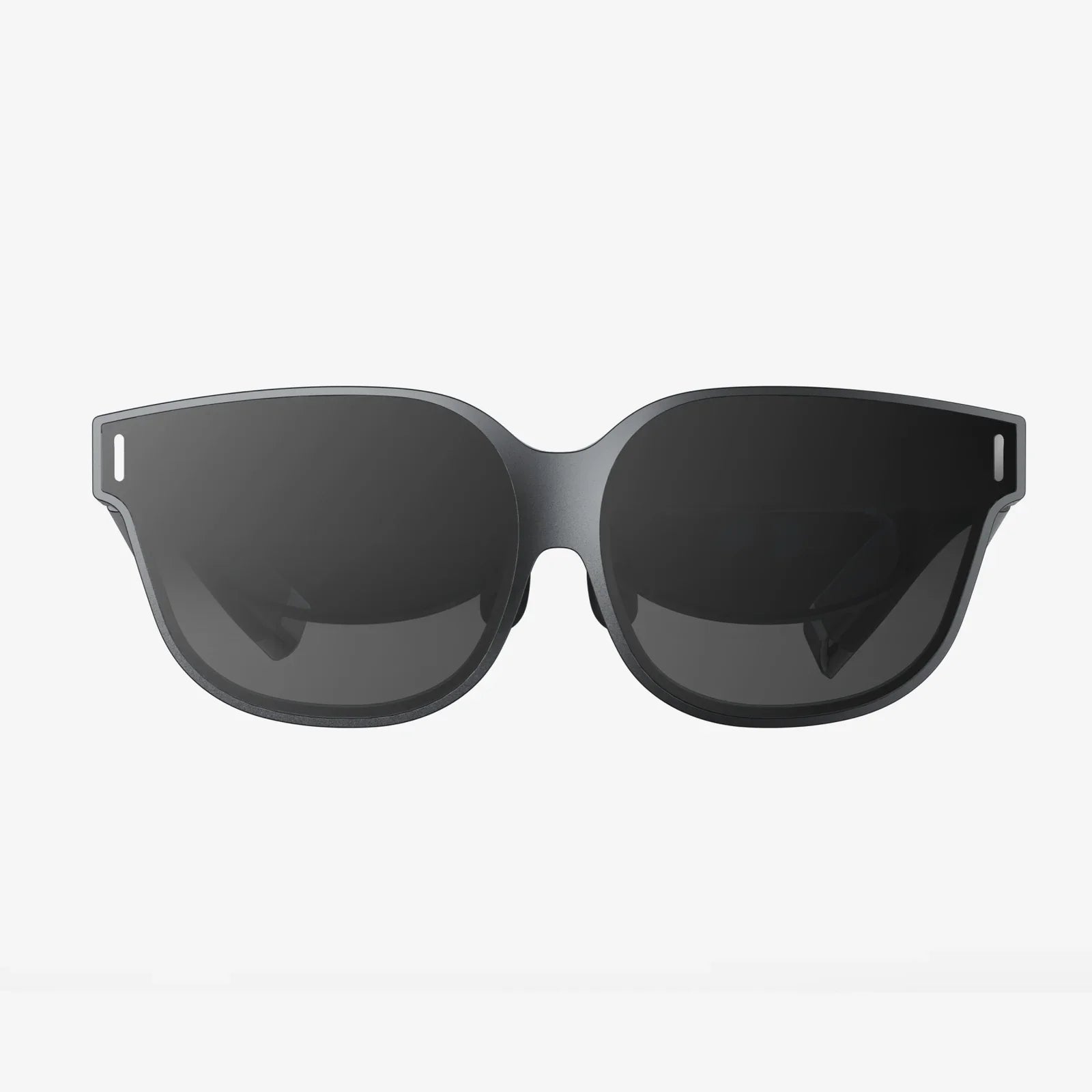
You’ve seen the future, and it’s virtual. The promise of stepping into another world, of experiencing the impossible, is no longer science fiction—it’s a purchase away. But with a rapidly evolving market and a plethora of options, the quest to find the best VR headset can feel like navigating a labyrinth. This isn’t just about buying a piece of hardware; it’s about choosing a portal. Your journey to other dimensions, fantastical worlds, and new ways to connect and create starts right here, right now.
The Foundation: Understanding VR Headset Categories
Before diving into specifications, it's crucial to understand the three primary categories of VR headsets available today. Each offers a distinct balance of power, convenience, and cost, defining your entire experience before you even put it on.
PC-Connected VR: The Powerhouse Experience
For the ultimate in graphical fidelity, performance, and depth of experience, PC-connected headsets remain the gold standard. These devices act as high-resolution displays and motion sensors, but all the heavy graphical lifting is handled by a powerful computer. This symbiotic relationship allows for the most detailed, immersive, and complex virtual worlds imaginable.
The advantages are clear: stunning visuals, expansive game libraries, and the ability to push the boundaries of what VR can do. The trade-offs, however, are equally significant. You are tethered by a cable, which can limit movement and present a tripping hazard. The upfront cost is also the highest, as you must factor in the price of a capable computer alongside the headset itself. This category is the undeniable choice for hardcore gamers and professionals who demand the very best visuals and performance.
Standalone VR: The Freedom of Untethered Exploration
Standalone VR headsets represent the most significant shift in the industry, bringing all the necessary computing power inside the headset itself. Completely wireless and self-contained, they offer unparalleled freedom and ease of use. There are no cables to manage, no external sensors to set up, and no powerful computer required.
This convenience has made standalone VR the most popular and accessible entry point for millions of users. The experience is less about raw graphical power and more about social connectivity, fitness, and casual gaming. The library of content is vast and growing rapidly, though it may lack the deep, graphically intensive titles found on PC platforms. For anyone seeking a pick-up-and-play experience with minimal friction, a standalone headset is often the best choice.
Console-VR: The Plug-and-Play Specialist
Occupying a unique middle ground, console-based VR systems offer a curated, high-quality experience tied to a specific video game console. This approach provides a streamlined, user-friendly experience. The hardware and software are designed to work together seamlessly, ensuring optimization and ease of setup.
Users benefit from a known quantity: the performance and game library are consistent and reliable. While not as flexible as a PC setup, it often delivers a more polished and accessible experience than many standalone options, with a focus on high-quality exclusive titles. The main limitation is its exclusivity, locking the experience to the ecosystem of a single console manufacturer.
Deconstructing the Specs: What Really Matters
Technical specifications can be overwhelming. Cutting through the jargon to understand what impacts your experience is key to making the right choice.
Display and Optics: The Window to Another World
The quality of the display and the lenses in front of it are arguably the most important factors in achieving immersion.
- Resolution and PPI: Measured in pixels per inch (PPI), a higher resolution means a sharper, clearer image with less visible "screen door effect" (the fine grid-like lines between pixels). Modern headsets boast resolutions that make text legible and distant objects clear, which is vital for both gaming and productivity.
- Refresh Rate: Measured in Hertz (Hz), the refresh rate determines how many times the image updates per second. A higher rate (90Hz and above) results in smoother motion, which drastically reduces the potential for motion sickness and makes fast-paced action feel more responsive and real.
- Lens Technology: The lenses focus the display for your eyes. Fresnel lenses are common but can cause god rays (glare around high-contrast objects). Aspherical and pancake lenses are newer technologies that offer a sharper image across the entire field of view and a more compact headset design.
- Field of View (FoV): This is how much of the virtual world you can see, typically measured diagonally. A wider FoV (100 degrees or more) increases the feeling of "being there" but requires more processing power to render.
Tracking and Controllers: Your Body in the Machine
How the headset understands your movement and translates your actions into the virtual space is fundamental to interaction.
- Inside-Out vs. Outside-In Tracking: Outside-in tracking uses external sensors placed around the room to precisely track the headset and controllers. Inside-out tracking uses cameras mounted on the headset itself to map the environment and track controller movements. Inside-out tracking is far more convenient (no external sensors) and has become the standard for most new headsets, with accuracy that now rivals outside-in systems.
- Controller Design and Haptics: Controllers are your hands in VR. Ergonomic design, intuitive button placement, and quality haptic feedback (vibrations) are essential for immersion. Advanced haptics can simulate the feeling of touching different surfaces, drawing a bowstring, or feeling the recoil of a virtual weapon.
Comfort and Design: The Long-Haul Factor
A VR headset can have the best specs in the world, but if it's uncomfortable, you won't want to use it. Comfort is a performance feature.
- Weight Distribution: How the weight is balanced across your head and face is critical. A front-heavy headset will cause neck strain. Designs that use a counterweight at the back or a top strap are generally more comfortable for extended sessions.
- Headstrap and Facial Interface: A rigid, adjustable headstrap is superior to simple elastic bands. The material that touches your face (the facial interface) should be soft, breathable, and easy to clean, especially after active sessions.
- IPD Adjustment: Interpupillary Distance (IPD) is the distance between your pupils. Physical IPD adjustment allows you to mechanically shift the lenses to match your specific measurement, ensuring a clear, comfortable image and reducing eye strain.
Audio: The Unseen Half of Immersion
3D spatial audio is what sells the illusion that you are truly somewhere else. Hearing a sound and instinctively knowing where it's coming from is a powerful trick. Built-in headphones or directional speakers that don't cover your ears are common and effective, but the best audio experience often comes from using your own high-quality headphones.
The Content Library: Your Virtual Playground
The hardware is just a vessel; the software is the soul. The best VR headset for you is the one that grants access to the experiences you desire.
The PC VR ecosystem, accessed through platforms like SteamVR, is a sprawling metropolis of content. It houses massive, AAA titles, countless indie gems, experimental projects, and robust creative and social applications. It is the domain of depth and variety.
Standalone ecosystems are more like curated cities. The content is vetted and optimized for the mobile hardware, resulting in a very consistent and user-friendly experience. The libraries are dominated by social spaces, fitness apps, rhythm games, and accessible adventures. Exclusive titles often drive the appeal of these platforms.
Beyond gaming, consider other applications. Are you interested in VR fitness apps that turn workouts into games? Do you want to use immersive VR for productivity, with multiple virtual monitors? Are you an artist or designer looking to create in 3D space? The availability of these applications varies by platform and should influence your decision.
Defining Your Needs: Finding Your Perfect Match
Now, with all the factors in mind, it's time to be your own guide. Ask yourself these questions:
- What is your primary use case? (e.g., hardcore gaming, casual fitness, socializing, creative work)
- What is your budget? Remember to account for the cost of a gaming PC if required, as well as the cost of software.
- Who is the user? Is it for you, your family, or for demonstrating to guests? Ease of use becomes paramount for shared devices.
- Where will you use it? Do you have a dedicated, clear playspace, or will you be using it in a living room between coffee tables?
For the Hardcore Gamer & Tech Enthusiast seeking the absolute pinnacle of visual fidelity and performance, who already owns a powerful gaming rig, a PC-connected headset is the only choice. Prioritize resolution, refresh rate, and FoV above all else.
For the Mainstream User & Social Explorer looking for an accessible, all-in-one device for fitness, social apps, and casual gaming, a standalone headset is the obvious winner. Prioritize comfort, content library, and ease of use.
For the Console Gamer deeply embedded in a specific ecosystem who wants a guaranteed high-quality experience with exclusive titles, a console-VR headset is a perfect fit. Prioritize exclusives and seamless integration.
The Future is Already Here
The landscape of VR is not static; it's a river flowing swiftly towards a more immersive and integrated future. Technologies like eye-tracking are already emerging, enabling foveated rendering (where only the spot you're looking at is rendered in full detail, drastically improving performance) and more natural social interactions. Mixed Reality (MR) is breaking down the barrier between the virtual and the real, using passthrough cameras to overlay digital objects onto your physical environment, opening up incredible new possibilities for gaming, design, and productivity.
Choosing the best VR headset is no longer a question of if the technology is good enough, but of which constellation of features, content, and convenience aligns perfectly with your vision of the virtual future. It’s a deeply personal choice, one that unlocks not just games, but new ways to move, create, and connect. The door is waiting. All you have to do is choose which one to open.
Share:
AR Headset: The Invisible Revolution Reshaping Our Reality
Virtual VR Headset: The Ultimate Portal to New Realities and Experiences