


- by wangfred
Brands That Use Augmented Reality Are Redefining the Consumer Experience
- by wangfred
Imagine pointing your smartphone at a seemingly ordinary poster and watching it spring to life with a dynamic, interactive 3D animation. Or visualizing a new piece of furniture in your living room, perfectly scaled and colored, before you ever click 'add to cart.' This is no longer the stuff of science fiction; it is the rapidly evolving reality of modern commerce, powered by augmented reality (AR). Brands that use augmented reality are not just jumping on a tech trend—they are fundamentally rewriting the rules of customer engagement, creating deeper emotional connections, and building immersive worlds that exist at the intersection of the physical and the digital. For the modern consumer, the question is shifting from 'What does this product look like?' to 'What does this product look like in my world?' This seismic shift is where AR truly shines.
The adoption of AR is driven by a powerful convergence of technological maturity and shifting consumer expectations. With billions of smartphones capable of rendering sophisticated AR experiences in pockets around the world, the barrier to entry for consumers has all but vanished. For brands, this represents an unprecedented opportunity to meet customers where they are—on their devices—and deliver value in a memorable way.
The core strategic advantages for brands that use augmented reality are multifaceted:
Perhaps the most prolific application of AR has been in the realms of fashion, beauty, and accessories. Brands that use augmented reality in this space have effectively digitized the fitting room experience, empowering consumers to make more informed decisions from the comfort of their homes.
Shopping for eyewear has been revolutionized. Instead of guessing if a pair of frames will suit their face shape, consumers can now use their phone's camera to see a high-fidelity, realistic overlay of hundreds of different styles. The technology can accurately map the user's face, ensuring the frames sit correctly on the bridge of the nose and align with the temples. This level of precision has made online eyewear shopping a viable and confident choice for millions.
The cosmetics industry has undergone a similar transformation. Virtual try-on tools for lipstick, eyeshadow, blush, and even foundation allow users to experiment with entire looks without setting foot in a store or dealing with sample testers. This technology has proven particularly powerful for driving online sales, as it removes the guesswork associated with how a shade will look on an individual's unique skin tone. Furthermore, these tools often include tutorials and pre-made looks, enhancing the educational aspect of the shopping journey.
This technology is expanding into apparel as well. While more complex, virtual fitting for clothing is advancing rapidly. Early applications allow users to see how a t-shirt might drape or how a pattern might look, but the holy grail—accurate virtual try-on for full outfits—is on the horizon, promising to further shrink the gap between online and in-store shopping.
For industries where products are large, expensive, or require integration into a personal space, visualization is everything. Brands that use augmented reality to empower this visualization are solving critical pain points in the customer journey.
The home decor and furniture sector is a prime beneficiary. Placing a virtual sofa, lamp, or bookcase in a room allows customers to check for size, style, and color compatibility with their existing decor. This prevents the all-too-common disappointment of a item arriving only to discover it's too large for the intended space or clashes with the wall color. This application builds tremendous confidence in large-ticket purchases and reduces the logistical nightmare and cost associated with returns of bulky furniture.
The automotive industry employs AR in showrooms and through apps, allowing potential buyers to explore the features of a vehicle, customize its exterior color and interior trim, and even take a virtual 'test drive' or explore the inner workings of a hybrid engine through interactive 3D models hovering over a brochure. This immersive product education deepens the customer's understanding and appreciation of the vehicle's value proposition.
Even the travel and hospitality sector is leveraging visualization AR. Imagine pointing your phone at a travel brochure and seeing a 3D model of a hotel resort materialize, complete with explorable pools, restaurants, and room layouts. This tantalizing glimpse into an experience is far more compelling than a simple photograph and can be a decisive factor in the booking process.
The utility of AR extends far beyond direct sales. Forward-thinking brands that use augmented reality understand its power as a storytelling medium, capable of building rich narrative worlds around products and fostering a sense of community.
Product packaging is being transformed from a static container into an interactive portal. By scanning a box, can, or label with a smartphone, consumers can unlock a universe of content: the story behind the product's origin, detailed tutorials on its use, immersive games, or exclusive promotional content. A simple cereal box can become an AR game board, and a wine label can transport the drinker to the vineyard where the grapes were grown. This adds layers of value and entertainment, turning a mundane unpacking experience into a memorable brand moment.
Marketing campaigns and outdoor advertising are also being supercharged. AR-enabled posters, billboards, and print ads can display video content, initiate games, or offer instant coupons. This creates a dynamic, two-way interaction between the brand and the consumer, moving beyond one-way broadcast advertising to participatory engagement. It encourages users to pull out their phones and interact with the brand on the spot, creating a physical call-to-action in the real world.
Despite its potential, the path for brands that use augmented reality is not without obstacles. Developing a high-quality, seamless AR experience requires significant investment in technology, design, and development. There is also the challenge of user adoption; brands must clearly communicate the value and simplify the process to encourage users to engage with the technology, often overcoming a initial novelty factor.
Furthermore, as the space becomes more crowded, the bar for quality continues to rise. A glitchy, poorly rendered AR experience can harm a brand's perception more than help it. The focus must remain on utility and seamless integration rather than technology for technology's sake.
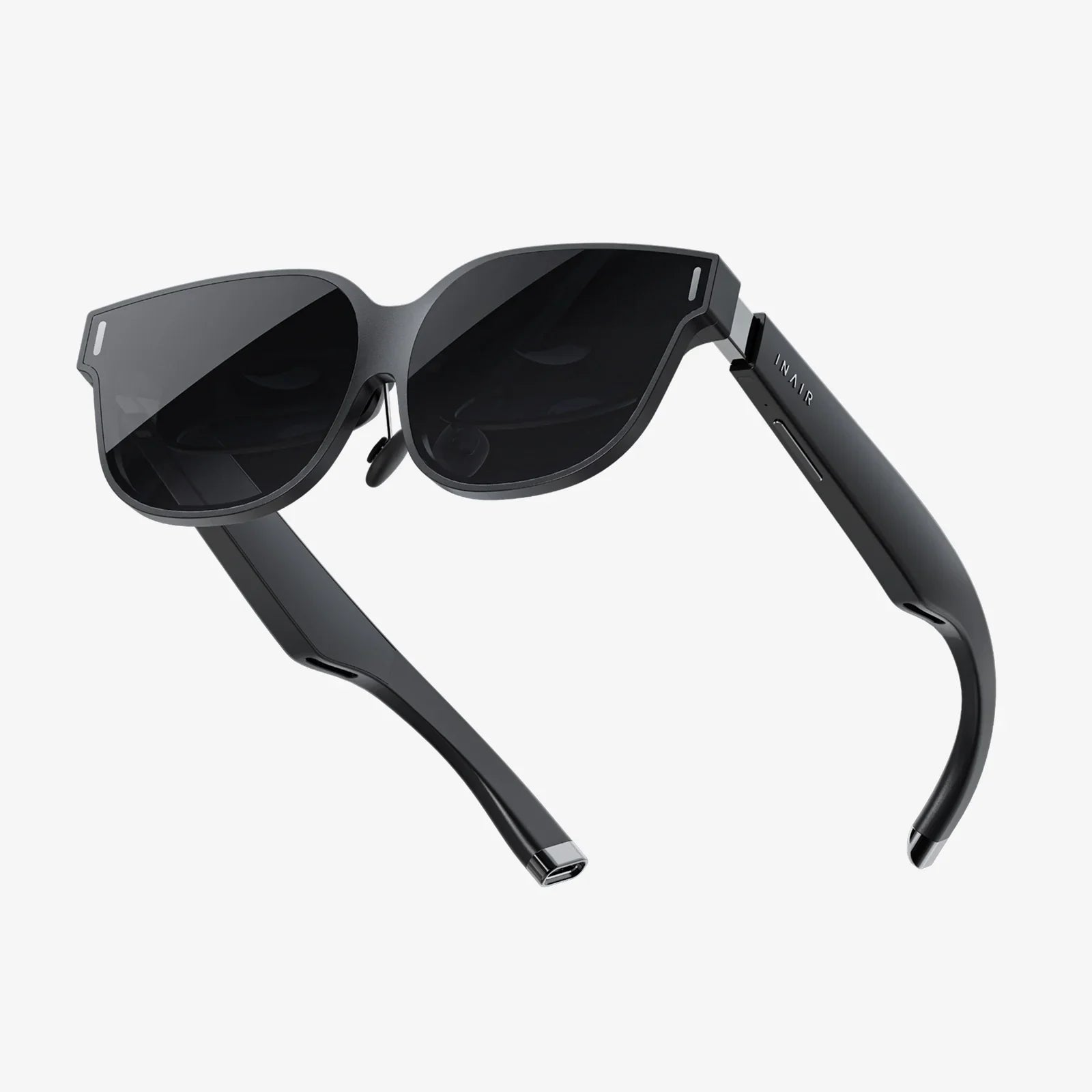
Looking ahead, the future of AR is inextricably linked to the development of wearable technology. Smart glasses and eventually contact lenses promise a future where digital overlays are a constant, hands-free part of our reality, not something we access through a handheld screen. For brands, this will open up even more incredible opportunities for contextual, location-based, and hyper-personalized interactions. Imagine walking down a street and seeing storefronts highlighted with personalized sales, or looking at a restaurant and instantly seeing its menu and reviews floating beside it.
The next evolution will also be social. Shared AR experiences, where multiple people can see and interact with the same digital object in a physical space, will unlock new possibilities for collaborative shopping, remote product exploration with friends, and massively interactive live events.
The journey is just beginning. The brands that will lead in the coming decade are those that stop thinking of AR as a marketing gimmick and start viewing it as an integral part of their customer experience ecosystem—a new layer of reality where they can build, engage, and inspire.
The screen you're reading this on is merely a window. Peer through it with the right application, and your world becomes a canvas, waiting for your favorite brands to paint upon it with interactive information, breathtaking virtual objects, and experiences that blur every line between what's real and what's possible. The next time you see a call to action to 'see it in your space,' don't scroll past it—tap it, and step into the new era of commerce they are building just for you.
Share:
AI Glasses Latest Models 2025: The Dawn of Seamless Augmented Living
What Is Augmented Reality? Explain With Example? A Deep Dive Into The Digital Overlay