


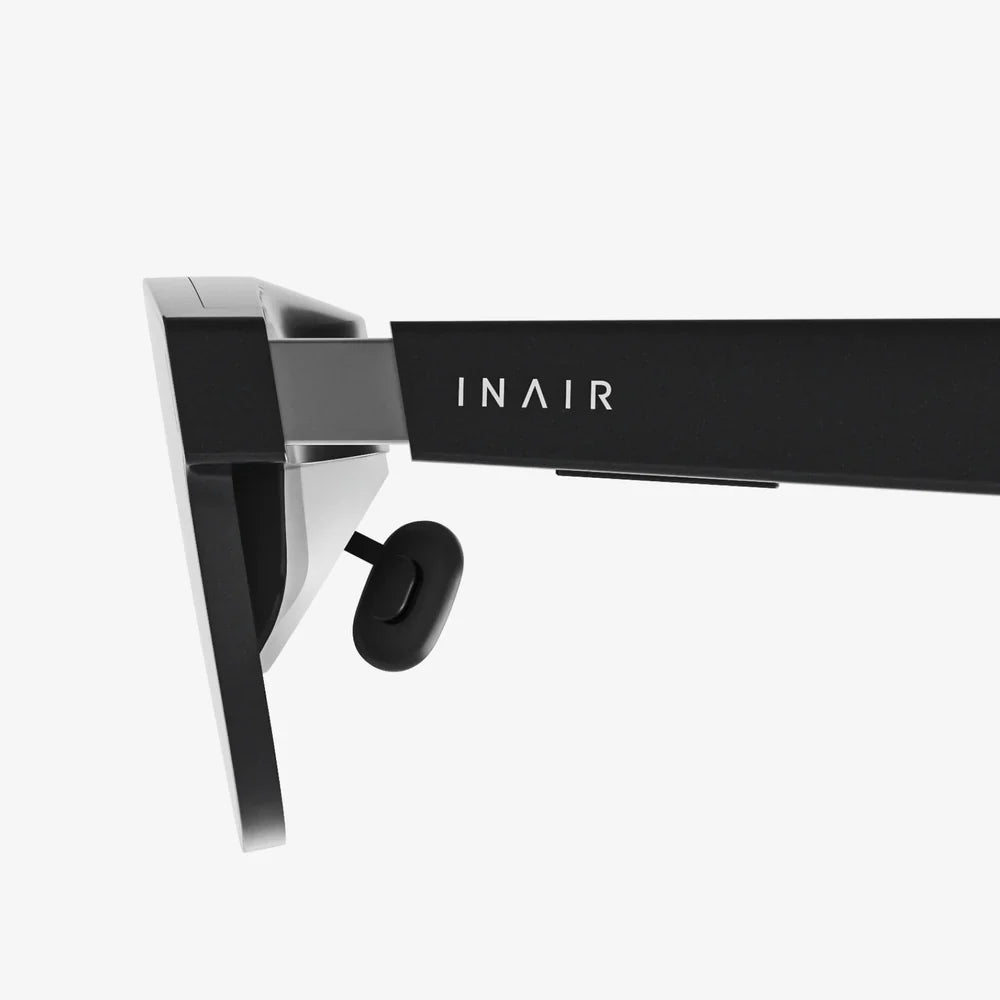
Imagine walking through a building that hasn't been built yet, practicing a complex surgical procedure without risk, or demonstrating a multi-ton piece of industrial machinery to a client on the other side of the globe without ever leaving your office. This is not a glimpse into a distant future; it is the reality of business today, powered by the rapid adoption of virtual reality technology. Once confined to the realms of gaming and entertainment, VR has matured into a formidable tool that is fundamentally altering how companies operate, train, sell, and innovate. The business uses of virtual reality are vast and varied, offering tangible returns on investment, enhancing safety, and creating immersive customer experiences that were previously unimaginable. This technological shift is moving beyond experimentation into core business strategy, establishing a new paradigm for industry.
The Virtual Boardroom: Revolutionizing Remote Collaboration
In an increasingly globalized and remote-friendly work environment, traditional video conferencing often falls short. Flat screens and choppy audio can hinder the nuance and engagement of true collaboration. Virtual reality shatters these limitations by creating shared, immersive spaces where participants, represented by detailed avatars, can interact with data and each other in three dimensions. Teams from different continents can gather around a virtual prototype, manipulating it in real-time, examining it from every angle, and making annotations in the shared space. This fosters a level of understanding and teamwork that two-dimensional screens simply cannot replicate. Complex architectural plans, engineering schematics, or molecular models become interactive experiences, accelerating decision-making and driving innovation by ensuring everyone is literally on the same page.
Learning by Doing: Immersive Training and Simulation
Perhaps the most impactful of the business uses of virtual reality is in the domain of training and skills development. VR provides a safe, controlled, and repeatable environment to practice high-stakes or high-cost tasks.
High-Risk Skill Development
Industries such as aviation, healthcare, and energy have long used simulators, but VR makes this technology more accessible and versatile. Surgeons can practice intricate procedures on virtual patients, allowing for mistake-driven learning without consequences. Aircraft mechanics can train on virtual engines, learning to diagnose and repair issues without needing access to a multi-million-dollar physical asset. Oil rig workers can practice emergency evacuation procedures in a realistically simulated storm, building muscle memory and confidence that could save lives in a real crisis. The risk of injury, the cost of damaged equipment, and the logistical challenges of gathering in a specific location are all eliminated.
Soft Skills and Leadership Training
Beyond technical skills, VR is revolutionizing soft skills training. Employees can be placed in challenging scenarios, such as delivering difficult feedback to a virtual employee, navigating a sensitive customer complaint, or managing a tense boardroom meeting. These simulations use AI-driven characters that respond realistically to the user's tone, words, and body language, providing a safe space to practice and fail. The immersive nature of the experience creates strong emotional responses and memories, leading to higher retention rates and more effective learning outcomes compared to traditional role-playing or video-based training.
Designing the Future: Virtual Prototyping and Product Development
The product development lifecycle is being dramatically compressed thanks to virtual reality. Instead of spending significant time and money building multiple physical prototypes, engineers and designers can create and iterate within a virtual space.
Iterating at the Speed of Thought
Automotive designers can sit inside the full-scale cabin of a new car model, assessing sightlines, ergonomics, and aesthetics long before any metal is cut. Architects and their clients can take guided walkthroughs of a new building, experiencing the flow of space, the impact of natural light at different times of day, and the feel of different materials. This allows for feedback and changes at an early stage, preventing costly modifications during physical construction. This virtual prototyping not only saves immense amounts of capital but also empowers more creative exploration, as the barrier to trying a radical new idea is drastically lower.
Streamlining Manufacturing and Assembly
Furthermore, VR is used to simulate assembly lines and manufacturing processes. Engineers can test the feasibility of assembling a complex product, identifying potential bottlenecks, safety issues, or ergonomic challenges for line workers before the factory floor is ever configured. This application of digital twin technology ensures efficiency and safety from the very first day of production.
The Ultimate Showroom: Virtual Sales and Marketing
Marketing and sales departments are leveraging VR to create unforgettable experiences that forge stronger emotional connections with customers and dramatically enhance the sales process.
Experiential Demonstrations
For businesses selling large, expensive, or complex products—like industrial machinery, commercial vehicles, or real estate—VR acts as a portable showroom. A salesperson can carry a headset to a client meeting and instantly transport the prospect onto the factory floor of a massive piece of equipment or into the living room of a luxury apartment on another continent. This experiential demonstration is far more powerful than any brochure, video, or catalog. Automotive companies offer virtual test drives, and travel agencies provide virtual tours of hotel resorts and cruise ships, allowing customers to sample an experience before committing financially.
Building Brand Identity
Beyond direct sales, brands are using VR for storytelling and building affinity. A clothing retailer might create a virtual journey through the sourcing of its sustainable materials. A non-profit could immerse donors in the environment they are working to protect. These narrative experiences create a deep, empathetic connection between the consumer and the brand's mission, moving beyond transactional relationships to build a community of loyal advocates.
Building Before the Groundbreaking: Virtual Reality in Real Estate and Construction
The real estate and construction sectors are being utterly transformed. Potential buyers are no longer limited to viewing static floor plans and photos; they can take self-guided virtual tours of properties at any time of day or night, from anywhere in the world. This expands the potential buyer pool exponentially and qualifies leads more effectively. For off-plan properties, VR renders allow customers to visualize and customize finishes, fixtures, and layouts, making them feel involved in the creation of their future home and increasing their emotional investment and likelihood of purchase.
Enhancing Project Management
On the construction side, project managers and stakeholders can use VR to conduct virtual site walks at different project milestones. They can identify clashes between systems (e.g., plumbing running through an electrical conduit) in the virtual model long before they become expensive problems on the physical job site. This improves communication, reduces errors and change orders, and ensures the project stays on time and on budget.
The Mind and Machine: Therapeutic and Wellness Applications
A rapidly growing business use of virtual reality lies in corporate wellness and therapeutic applications. Companies are investing in the mental and physical well-being of their employees through VR.
Mental Health and Stress Reduction
VR meditation and mindfulness apps transport users to serene beaches, quiet forests, or majestic mountaintops, providing an deeply immersive escape from a stressful work environment for a quick mental reset. More clinically, VR exposure therapy is used to help employees overcome phobias (like fear of public speaking) or to treat conditions like PTSD and anxiety in a controlled, safe setting.
Physical Rehabilitation and Safety
Physiotherapists use VR to create engaging rehabilitation exercises for employees recovering from workplace injuries, turning repetitive motions into interactive games, which improves adherence to therapy protocols. Furthermore, VR is used for ergonomic assessments, analyzing an employee's movements in a virtual workspace to design a safer and more efficient physical environment, reducing the incidence of repetitive strain injuries.
Data Reborn: Virtual Reality for Data Visualization and Analytics
In the age of big data, businesses are drowning in information but starving for insight. Virtual reality offers a revolutionary way to visualize and interact with complex data sets. Instead of staring at spreadsheets or two-dimensional charts, data analysts can step inside their data. Network security teams can navigate a 3D visualization of their digital infrastructure, seeing traffic patterns and spotting anomalies in real-time. Financial analysts can walk through a virtual landscape representing market trends, where the size and color of structures represent different equities or commodities. This immersive data exploration allows for the discovery of patterns, correlations, and outliers that might otherwise remain hidden, leading to more informed and strategic business decisions.
The barrier to entry is falling rapidly, with hardware becoming more affordable and software more user-friendly. The business uses of virtual reality are evolving from novel experiments into essential components of a modern, competitive enterprise. The question for today's business leaders is no longer if they should explore VR, but how quickly they can integrate it into their operations to train their workforce more effectively, design superior products, forge deeper customer relationships, and visualize their path forward. The virtual frontier is open for business, and it promises to redefine the very essence of how we work.
Share:
Why Do People Want Virtual Reality: The Irresistible Pull of a New Dimension
Is Virtual Reality a Technology? Deconstructing the Digital Dreamscape