


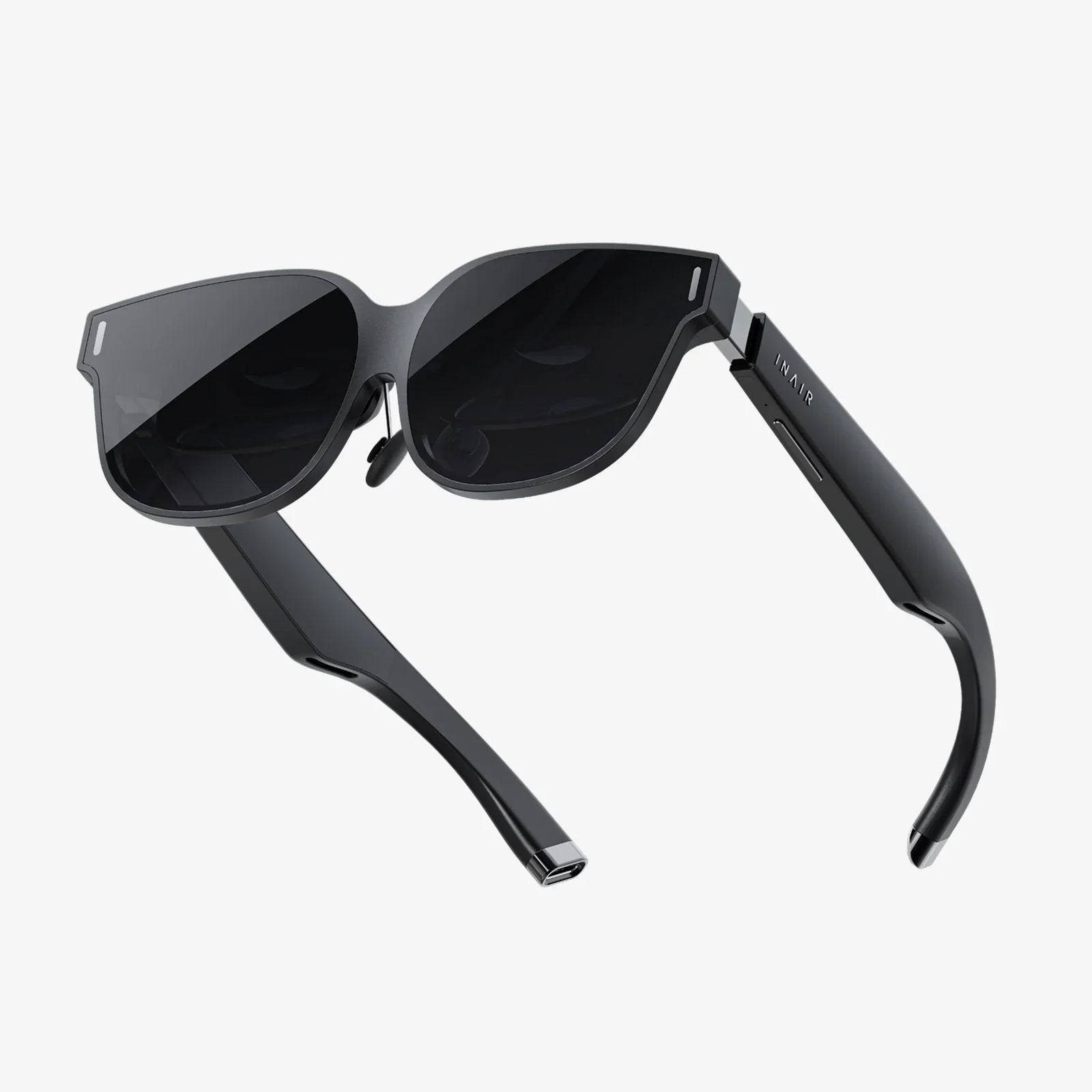
Imagine slipping on a device that instantly transports you to a concert front-row seat, a virtual training simulation, or a breathtaking alien landscape—all for a price that feels more like a movie ticket than a major investment. This is the promise and the reality of the modern cheap head mounted display, a technological gateway that is democratizing access to virtual worlds for millions. The era of immersive experiences being locked behind a prohibitive paywall is over, and a new age of accessible virtual and augmented reality is here. But what exactly are you getting, and more importantly, what should you know before you take the plunge into budget-friendly VR and AR?
Defining the "Cheap" in Head Mounted Displays
The term "cheap" is relative, especially in the fast-moving tech world. In the context of head mounted displays, it generally refers to devices that are significantly more affordable than high-end, PC-powered models. We're talking about a spectrum of devices, from simple smartphone-based viewers that cost very little to standalone VR headsets that offer a complete, untethered experience for a fraction of the cost of their premium counterparts. The key differentiator is often the internal processing power and the complexity of the tracking systems.
The Two Main Archetypes of Affordable HMDs
Not all budget-friendly options are created equal. Understanding the fundamental technology behind them is crucial to setting the right expectations.
Smartphone-Based VR Viewers
These are the true entry-point champions of virtual reality. These devices are essentially sophisticated holders for your smartphone. They consist of:
- A Housing and Head Strap: A plastic or cardboard shell designed to comfortably sit on your head.
- Lenses: High-quality plastic lenses that reshape the image from your phone's screen into a stereoscopic 3D view.
- Basic Input: Some include a simple button or touchpad for interaction, though many rely on Bluetooth controllers or gaze-based controls.
The magic—and the limitation—lies in your phone. It provides the screen, the processor, the sensors (gyroscope, accelerometer), and the speakers. This makes them incredibly cheap to produce, as they offload all the expensive components to a device you already own. The experience, however, is entirely dependent on your smartphone's capabilities. A higher-resolution screen and a faster processor will yield a markedly better experience.
Standalone VR Headsets
This category represents the sweet spot for consumers seeking a quality experience without a towering price tag. Standalone headsets are all-in-one units that don't require a phone or a powerful gaming computer. They feature:
- Integrated Display and Lenses: Built-in screens optimized specifically for VR, often with a high refresh rate.
- Onboard Compute: A mobile processor, similar to those found in high-end smartphones, that runs the entire VR environment.
- Inside-Out Tracking: Cameras mounted on the headset itself track the controllers and your movement in the real world, eliminating the need for external sensors placed around your room.
- Battery Pack: An integrated battery typically offering two to three hours of use on a single charge.
While more expensive than smartphone viewers, standalone headsets offer a consistent, curated, and wire-free experience that feels truly next-generation. They have become the dominant force in bringing quality VR to a mass audience.
Where the Savings Come From: Understanding the Trade-Offs
To achieve a lower price point, manufacturers make calculated compromises. Knowing these trade-offs is essential for an informed purchase.
Display and Visual Fidelity
High-end headsets boast ultra-high-resolution OLED or LCD panels with pixel densities that minimize the "screen-door effect" (the visible grid between pixels). Cheap head mounted displays often use lower-resolution LCD screens. This can result in:
- A more noticeable screen-door effect.
- Less "sharp" text and details.
- Potentially lower refresh rates, which can contribute to motion sickness for some users.
- Less accurate color reproduction and black levels.
Processing Power and Performance
This is the core differentiator. A standalone headset uses a mobile chipset, which, while impressive, cannot compete with a desktop-grade GPU rendering a VR experience. This means:
- Graphically simpler games and applications.
- Less complex physics and environmental simulations.
- Potential for frame rate drops in demanding scenes.
The experience is more akin to mobile gaming versus high-fidelity PC gaming, but it is often more than sufficient for a huge range of immersive and enjoyable content.
Tracking and Controllers
Premium systems use a combination of external lasers and internal cameras for millimeter-perfect tracking of your head and hands. Affordable headsets rely solely on inside-out tracking via onboard cameras. This system is excellent but can have limitations:
- Controllers can lose tracking if held directly out of the camera's field of view (e.g., behind your back).
- Tracking precision can be very slightly less accurate during extremely fast movements.
- Controller design and haptic feedback (rumble) are often simpler and less refined.
Build Quality and Comfort
To cut costs, materials often shift from premium fabrics and magnesium alloys to more prevalent use of plastics. This can affect:
- Weight: They can sometimes be heavier, leading to neck strain during long sessions.
- Comfort: Foam padding might be less plush, and the weight distribution might not be as balanced.
- Durability: While not necessarily fragile, they may not feel as robust as professional-grade equipment.
The Incredible Value: What You CAN Do with a Budget HMD
Focusing solely on the compromises misses the bigger picture. The value proposition of a cheap head mounted display is staggering.
A Vast Library of Content
The curated app stores for these devices are overflowing with content. You can:
- Play Hundreds of Games: From rhythm games like Beat Saber to puzzle adventures, social hangouts, and fitness apps.
- Experience 360° Media: Travel the world, attend events, or watch immersive movies through dedicated VR video platforms.
- Socialize and Connect: Platforms exist that allow you to meet friends in virtual spaces, watch movies together, or play social games, making distance irrelevant.
- Explore Educational Apps: Dissect a human body, walk on the surface of Mars, or explore ancient Roman ruins through detailed educational experiences.
The Gateway to VR and AR
For countless people, a budget headset is their first-ever experience with immersive technology. It answers the question, "Is VR for me?" without requiring a four-figure financial commitment. It allows families to experience it together, educators to bring it into classrooms, and developers to reach a wider audience.
Key Considerations Before You Buy
Ready to jump in? Keep these points in mind to ensure you get the best device for your needs.
1. Set Your Budget
"Cheap" can range from under $50 for a basic phone holder to several hundred for a capable standalone unit. Decide your comfort zone upfront.
2. Define Your Primary Use Case
Are you a hardcore gamer, a media consumer, or a curious newcomer? Your answer will guide your choice:
- Media & Curiosity: A smartphone viewer might be sufficient.
- Gaming & Socializing: A standalone headset is almost certainly the way to go.
3. Check the Content Ecosystem
Not all headsets have access to the same app stores. Research the available library for any device you're considering. A larger ecosystem means more games, more apps, and longer-term support.
4. Read Reviews and Watch Video Demos
Professional and user reviews are invaluable for understanding real-world comfort, lens clarity, and controller feel. Video reviews often show the actual interface and gameplay, giving you a clear idea of what to expect.
5. Consider Future-Proofing
While buying cheap, think about how long you want the device to last. A slightly more expensive model with a better processor might have a longer usable lifespan as software becomes more demanding.
The Future of Affordable Immersion
The trend is clear: the technology is getting better and cheaper at an astonishing rate. Advancements in pancake lenses are allowing for slimmer, lighter, and more comfortable headsets. displays are constantly improving, offering higher resolution for lower costs. As the market grows and competition intensifies, the line between "budget" and "premium" will continue to blur, with features once considered high-end trickling down to affordable models.
The revolution won't be televised; it will be experienced firsthand through a visor. The barrier to entry for virtual and augmented reality is lower than it has ever been, and it's only getting more accessible. A cheap head mounted display is no longer a subpar toy but a legitimate, powerful, and incredibly fun portal to new experiences. Whether it's your first step into this new digital frontier or a way to bring the whole family along, the immersive future is waiting, and it's far more affordable than you think. Your front-row seat to countless worlds, both real and imagined, is now within reach.
Share:
Augmented Reality Seeing Glasses: A New Lens on Reality and the Future of Human Experience
Virtual Monitor Goggles: The Ultimate Portable Workspace Revolution