


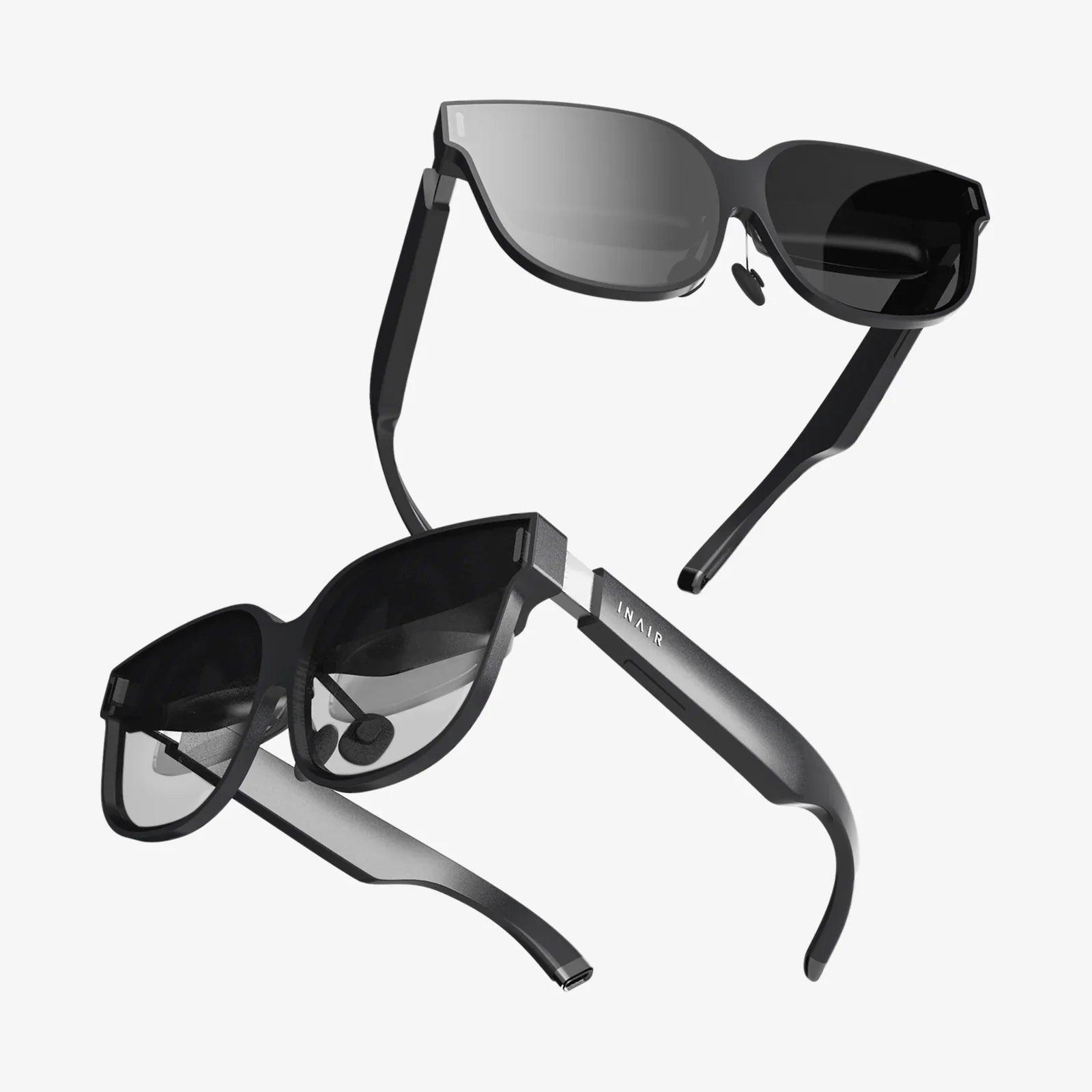
Imagine stepping into a breathtaking virtual world, exploring distant planets, or sitting courtside at a major sporting event—all from your living room and without emptying your wallet. The dream of affordable virtual reality is no longer a distant fantasy but a tangible reality, thanks to the rapid evolution of cheap VR glasses. For years, high cost was the single biggest barrier to entry for most people curious about VR. Today, that barrier has been shattered. This guide will dive deep into the ecosystem of budget-friendly VR, exploring how it works, what you can realistically expect, and how to navigate this exciting and accessible market to find the perfect portal to new realities.
The Democratization of Virtual Reality
Not long ago, experiencing virtual reality required a significant financial investment, often involving a powerful computer and a headset costing many hundreds of dollars. This placed it firmly in the realm of hardcore gamers and tech enthusiasts. The advent of cheap VR glasses has fundamentally changed this dynamic, democratizing a technology that promises to revolutionize how we play, learn, work, and connect. This shift is akin to the move from bulky, expensive mainframe computers to the affordable personal computers that now sit in billions of homes worldwide. It’s a transition from exclusivity to inclusivity.
This democratization is powered by a simple yet powerful idea: leveraging technology that users already own. The most common and accessible form of cheap VR utilizes a smartphone's high-resolution display, its internal gyroscope and accelerometer for head tracking, and its processor to run applications. The headset itself becomes a sophisticated holder, with lenses that reshape the phone's screen into a stereoscopic, immersive 3D environment. This elegant solution dramatically reduces the cost, as the most expensive components are already in your pocket.
Understanding the Different Tiers of VR
To fully appreciate the value proposition of affordable VR, it's crucial to understand the broader landscape. VR headsets generally fall into three categories:
1. Mobile-Based VR (The Budget King)
This is the heart of the cheap VR glasses market. These headsets are, as described, shells that house a smartphone. They range from incredibly simple cardboard viewers to more advanced plastic models with adjustable lenses, head straps, and sometimes even a basic wireless controller. Their performance is directly tied to the capabilities of the smartphone used. The major advantage is its low entry cost and simplicity. The primary limitation is its reliance on phone-based processing power, which, while impressive, cannot match dedicated gaming systems.
2. Standalone VR (The Mid-Range Powerhouse)
Standalone headsets have all the necessary technology—display, processors, sensors, and battery—built into the unit itself. They are wireless, self-contained computers designed specifically for VR. While not as cheap as mobile-based options, their prices have fallen dramatically, creating a compelling middle ground. They offer a much more robust and consistent experience than smartphone-based VR, with access to richer, more complex applications and games.
3. PC-Connected VR (The High-End Experience)
These are the powerhouses of the VR world. They tether to a powerful computer to deliver the highest-fidelity visuals, the most precise tracking, and the most immersive experiences available. They represent the peak of consumer VR technology but come with a high cost for both the headset and the required computer hardware.
Cheap VR glasses firmly occupy the first tier, acting as the perfect gateway into this ecosystem.
What Can You Actually Do with Affordable VR?
The potential of budget-friendly VR extends far beyond what many might assume. The library of content available for mobile VR platforms is vast and diverse:
- 360-Degree Videos and Travel: Teleport yourself to the top of Mount Everest, dive into the Great Barrier Reef, or attend a music festival halfway across the globe. Platforms are filled with stunning 360-degree videos that offer a powerful sense of presence.
- Casual Gaming and Experiences: From simple roller coaster simulators and puzzle games to interactive stories and artistic experiences, there is no shortage of engaging content designed to work seamlessly with smartphone processing.
- Social VR and Virtual Meetings: Join virtual rooms and interact with people from around the world using a virtual avatar. While more advanced on standalone platforms, mobile VR offers a glimpse into the future of social connection.
- Educational Applications: Explore the human body in 3D, walk through ancient Roman ruins, or study the solar system with planets orbiting around you. VR is a powerful tool for immersive learning.
- Media Consumption: Use your headset as a personal cinema screen, watching movies and videos on a virtual giant screen in a customizable environment.
The Trade-Offs: Setting Realistic Expectations
While cheap VR glasses offer incredible value, it is important to understand their limitations compared to more expensive systems. Acknowledging these trade-offs is key to having a satisfying experience.
- Processing Power: The experience is capped by your phone's capabilities. You will not be running graphically intensive, high-octane VR games designed for dedicated systems.
- Tracking Limitations: Most basic models offer 3-Degrees of Freedom (3DoF) tracking. This means the headset can track your head's rotation—looking up, down, left, and right—but not its position in space. You can't lean forward to examine an object or walk around a room. This limits interactivity. Higher-end systems use 6-Degrees of Freedom (6DoF), tracking both rotation and position for a fully immersive experience.
- Controller Simplicity: Many cheap VR glasses come with a simple single-button controller, or rely on a gaze-based interface, which is less intuitive than the motion-tracked controllers standard on more expensive setups.
- Potential for Discomfort: Very low-cost models may be made from less comfortable materials, have poor weight distribution, or feature lower-quality lenses that can cause eye strain or a limited "sweet spot" for clarity.
Understanding these constraints allows you to appreciate what affordable VR does well, rather than focusing on what it cannot do.
Key Features to Look For in a Quality Budget Headset
Not all cheap VR glasses are created equal. When shopping for an affordable headset, look for these features to ensure a better experience:
- Adjustable Lenses: The ability to adjust the distance between the lenses (interpupillary distance or IPD) is crucial for achieving a clear image and avoiding eye strain, especially if multiple people will be using the headset.
- Comfortable Head Strap: A secure and padded head strap, preferably adjustable, makes a world of difference for longer sessions. Avoid models that rely solely on holding the unit to your face.
- Adequate Ventilation and Field of View: Lenses that provide a wide field of view (FOV) increase immersion. Some form of ventilation helps prevent the lenses from fogging up.
- Compatibility: Ensure the headset is designed to fit your specific smartphone model, both in size and functionality. Check that it can accommodate your phone even if it's in a protective case.
- Included Controller: A basic wireless controller dramatically improves the experience over touch-based controls on the phone itself.
The Future is Accessible and Bright
The trajectory of cheap VR technology is pointed firmly upward. As smartphone technology continues to advance—with faster chips, higher-resolution displays, and better sensors—the quality of experiences available on mobile VR platforms will improve in tandem. Furthermore, the competition in the standalone VR market is driving prices down, blurring the line between budget and mid-range. Features once exclusive to premium headsets, like improved inside-out tracking and better controllers, are trickling down to more affordable models. This constant innovation means the definition of "cheap VR" is always evolving, offering more power and immersion for less money with each passing year.
The true power of cheap VR glasses lies not in their technical specifications, but in their ability to open doors. They are the ultimate tool for sparking curiosity, offering a low-risk way for millions to experience virtual reality for the first time. They allow educators to bring concepts to life in classrooms, families to explore the world together from their homes, and individuals to discover a new form of entertainment and storytelling. This widespread accessibility is the catalyst that will drive the entire VR industry forward, creating a larger market, encouraging more developers to create content, and ultimately fueling the innovation that will define the next generation of virtual experiences. The virtual revolution isn't coming; it's already here, and it's more affordable than you ever thought possible.
Share:
Augmented Reality Displays: Merging Our Digital and Physical Worlds
Augmented Reality Degree: Shaping the Architects of Our Digital Future