


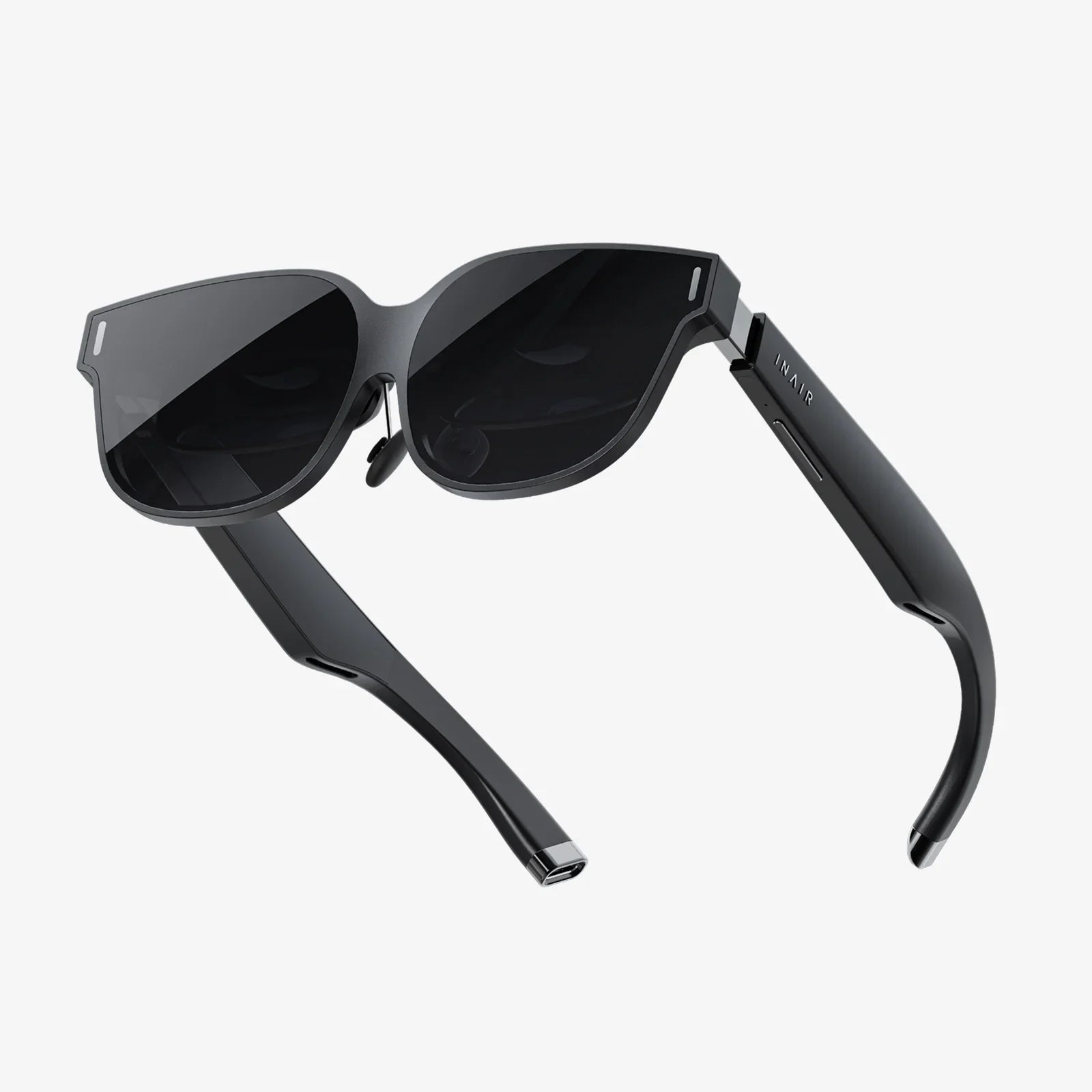
Imagine a world where your clothing monitors your vital signs, your glasses overlay digital information onto the real world, and a device on your wrist not only tells time but could potentially save your life. This isn't a scene from a science fiction novel; it's the reality we live in today, powered by the explosive growth and diversification of wearable technology. From humble beginnings with rudimentary pedometers, wearables have evolved into a sophisticated ecosystem of devices that adorn our bodies, collect invaluable data, and augment our human capabilities in ways previously unimaginable. This comprehensive guide will take you on a deep dive into the different types of wearable technology, exploring their unique functions, the transformative impact they are having across various sectors, and the exciting, albeit complex, future they are helping to build.
The Wrist-Worn Revolution: Beyond Telling Time
The wrist has become the prime real estate for wearable technology, offering a perfect blend of convenience, visibility, and accessibility. This category has evolved far beyond its timekeeping origins.
Fitness and Activity Trackers
These devices were the entry point for many into the world of wearables. Primarily focused on health and wellness metrics, they are designed to be lightweight, long-lasting, and intuitive. Their core functionality revolves around quantifying physical activity. They use a combination of accelerometers and gyroscopes to track steps taken, distance traveled, and calories burned. Many modern versions also incorporate optical heart rate sensors for continuous pulse monitoring, allowing for more accurate calorie burn estimates and rudimentary sleep stage tracking (distinguishing between light, deep, and REM sleep). They often sync with smartphone applications to provide users with trends, achievements, and a holistic view of their daily movement patterns.
Advanced Smartwatches
While they share the wrist with fitness trackers, advanced smartwatches are essentially powerful, miniature computers strapped to your arm. They incorporate all the features of a fitness tracker but expand their capabilities exponentially. They typically feature a high-resolution touchscreen display and run their own operating systems, allowing for the installation of third-party applications. Key functionalities include:
- Notifications and Communication: Displaying calls, texts, emails, and app alerts from a paired smartphone, often allowing for quick replies via voice, pre-set messages, or a tiny keyboard.
- Standalone Connectivity: High-end models offer cellular connectivity, enabling them to make calls, stream music, and use data independently of a phone.
- Advanced Health Monitoring: Beyond basic heart rate, many now include an electrocardiogram (ECG or EKG) app to assess heart rhythm for signs of atrial fibrillation, and blood oxygen saturation (SpO2) sensors.
- Navigation and Payments: Integrated GPS for mapping runs and hikes, and NFC chips for contactless payments right from the wrist.
Adorning the Senses: Hearables and Smart Glasses
Wearables have moved beyond the wrist to enhance our primary senses of hearing and sight, creating more intimate and immersive experiences.
Hearables (Smart Earbuds and Headphones)
Hearables are intelligent audio devices that do much more than just play music. They are packed with sensors and smarts, transforming them into versatile tools.
- Active Noise Cancellation (ANC): Using microphones to pick up external noise and generating inverse sound waves to cancel it out, creating a peaceful listening environment.
- Transparency Mode: The opposite of ANC, using microphones to pipe outside sounds into your ears, allowing you to stay aware of your surroundings without removing the earbuds.
- Integrated Voice Assistants: Instant access to voice assistants for setting reminders, asking questions, or controlling smart home devices hands-free.
- Biometric Sensing: Some models include heart rate sensors and accelerometers, turning them into fitness tracking devices.
- Real-Time Translation: Advanced models offer near real-time translation of conversations, breaking down language barriers.
Smart Glasses and Augmented Reality (AR) Wearables
This category aims to superimpose digital information onto the user's field of view, creating a blended reality experience.
- Information Display: Projecting notifications, directions, or contextual information directly in front of the user's eyes, allowing them to stay informed without looking down at a phone.
- Hands-Free Assistance: In industrial and field service settings, technicians can use AR glasses to view schematics, receive remote expert guidance, and access manuals while keeping their hands free to work.
- Photography and Videography: Capturing photos and videos from a first-person perspective.
- Gaming and Entertainment: Creating immersive gaming experiences where digital characters and objects interact with the physical environment.
Next-to-Skin Sensing: Smart Clothing and Biometric Monitors
Perhaps the most seamless integration of technology comes from wearables that are woven into the very fabric of what we wear or are designed to be discreetly attached to the body.
Smart Fabrics and Textiles
Also known as e-textiles, these are garments integrated with functional electronics and sensors. The technology is embedded directly into the fibers of the clothing, making it soft, flexible, and washable.
- Biometric Monitoring: Shirts and sports bras with conductive threads can accurately measure heart rate, respiration rate, and muscle activity across the entire torso, providing data that is superior to a wrist-worn device during intense physical activity where wrist motion can interfere with readings.
- Posture and Movement Analysis: Smart shirts can vibrate to alert the wearer if they are slouching, making them valuable for both ergonomics and athletic form.
- Temperature Regulation: Some advanced fabrics can react to body heat and sweat, becoming more breathable to cool the wearer down or insulating to keep them warm.
Medical and Clinical-Grade Wearables
This is one of the most impactful categories, where wearables transition from consumer wellness to potentially life-saving medical tools. These devices are often subject to regulatory approval.
- Continuous Glucose Monitors (CGMs): Small sensors worn on the abdomen or arm that measure glucose levels in interstitial fluid. They transmit data to a receiver or smartphone, providing diabetics with real-time insights into their blood sugar levels and trends, drastically reducing the need for finger-prick tests.
- Connected ECG Monitors: Patches worn on the chest for extended periods (e.g., two weeks) to continuously monitor heart rhythm and detect irregular episodes that might be missed during a brief clinical ECG.
- Smart Hearing Aids: Modern hearing aids are sophisticated wearables that connect to smartphones, stream audio directly, and can be fine-tuned by the user via an app for different listening environments.
- Wearable Patches: Disposable or reusable patches used for drug delivery, monitoring core body temperature in athletes or workers, or tracking vital signs of hospital patients, enabling remote patient monitoring.
Specialized and Emerging Forms: From Head to Toe
The innovation in wearables doesn't stop there. Engineers and designers are finding new places on the body to host technology for specialized purposes.
Smart Headwear
This includes helmets and headbands embedded with technology.
- Smart Helmets: For cyclists and motorcyclists, these can include integrated turn signals, brake lights, Bluetooth communicators, and even heads-up displays. In industrial settings, they can include cameras for recording and safety monitoring.
- Focus and Sleep Headbands: These devices use electroencephalography (EEG) to monitor brainwave activity. They can provide feedback on meditation focus or stimulate the brain to enhance deep sleep or promote relaxation.
Smart Footwear
Smart shoes and insoles bring tracking and functionality to our feet.
- Fitness Tracking: Smart insoles can measure running metrics with extreme accuracy, including cadence, ground contact time, and foot strike pattern, offering runners detailed biomechanical feedback.
- Navigation: Shoes with haptic feedback can vibrate on the left or right foot to give the wearer turn-by-turn navigation directions without needing to look at a phone—invaluable for those with visual impairments or anyone wanting to navigate a city more discreetly.
- Self-Lacing Technology: Inspired by science fiction, automated lacing systems can adjust the fit of a shoe at the touch of a button or based on activity.
The Challenges and Considerations of a Wearable World
As this technology becomes more pervasive, it brings a host of important questions and challenges that society must address.
Data Privacy and Security
Wearables collect a continuous stream of deeply personal biometric and location data. Where is this data stored? Who owns it? How is it being used? There is a significant risk of data breaches, and this information could potentially be used by insurers, employers, or advertisers in ways that harm the user. Robust cybersecurity measures and transparent data policies are non-negotiable.
Battery Life and Sustainability
The constant need to charge multiple devices is a user experience hurdle. Furthermore, the environmental impact of producing millions of devices with limited lifespans and difficult-to-recycle components creates a significant electronic waste problem. Advances in low-power chips, energy harvesting (e.g., solar, kinetic), and creating modular, repairable devices are critical for a sustainable future.
Digital Divide and Accessibility
High-end wearables are often expensive, potentially exacerbating health and information disparities between socioeconomic groups. Ensuring that the benefits of this technology, especially in healthcare, are accessible to all is a major challenge.
Accuracy and Regulatory Oversight
While a consumer fitness tracker is fine for general trends, a medical device must be clinically validated. The line between a wellness gadget and a medical tool is blurring, raising questions about accuracy and reliability. Misread data could lead to unnecessary anxiety or, worse, a failure to detect a serious problem. Clear regulatory frameworks are needed to govern these different classes of devices.
The landscape of wearable technology is a thrilling tapestry of innovation, weaving together threads of design, engineering, medicine, and data science. It’s a journey from our wrists to our ears, woven into our clothing and even integrated into our skin, all aimed at making us healthier, more efficient, and more connected. While questions about privacy and accessibility remain paramount, the relentless pace of advancement promises a future where technology doesn’t just reside in our pockets but empowers our entire being, transforming our understanding of ourselves and our interaction with the world in once-unthinkable ways. The next time you glance at your wrist or put in a pair of earbuds, remember—you're not just wearing a device; you're wearing a glimpse into the future.
Share:
Frameless Smart Glasses The Invisible Revolution in Personal Computing
Smart Wearables 2025: The Invisible Revolution Reshaping Human Potential