


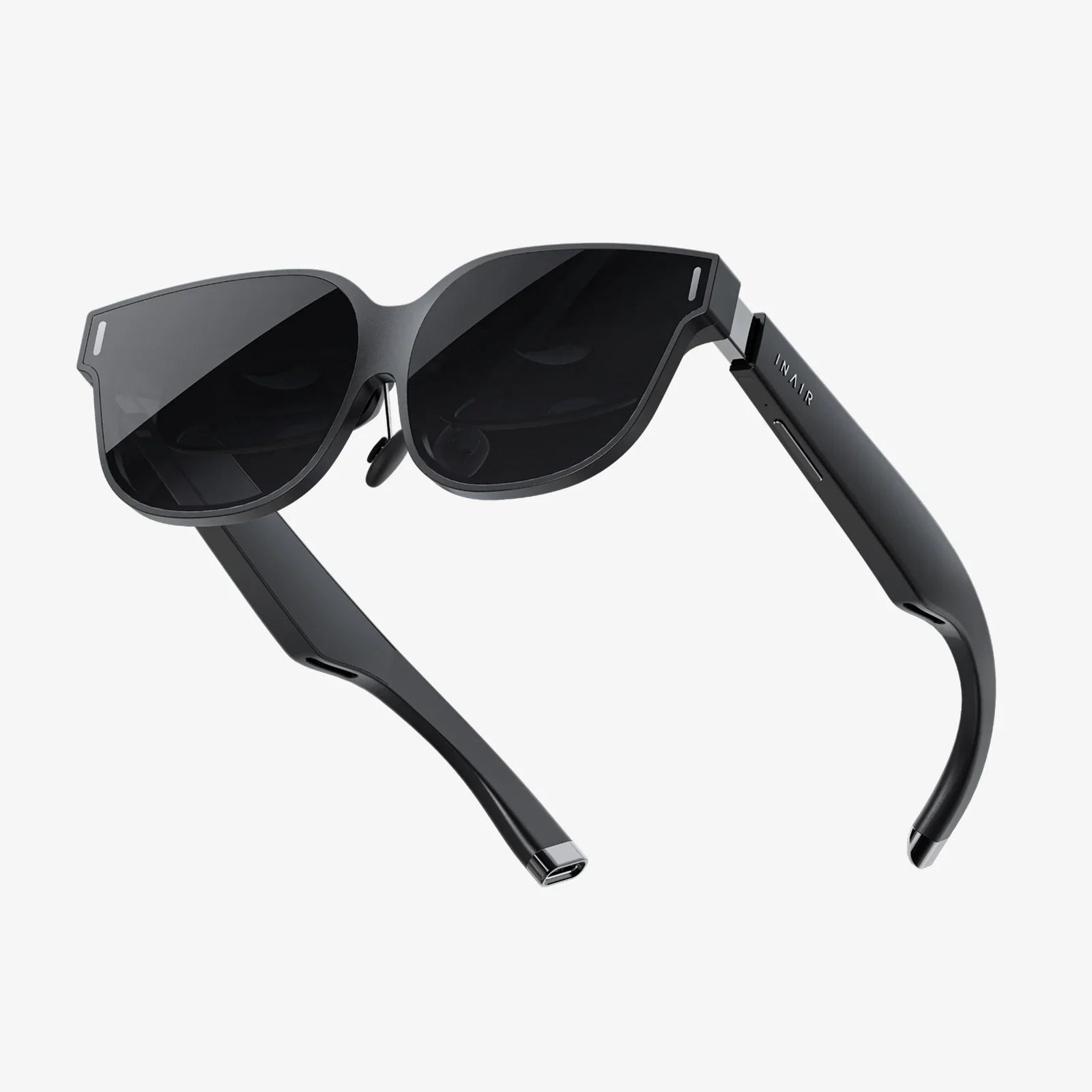
Imagine stepping onto a factory floor in another continent, inspecting a prototype with the precision of being there in person, or practicing a complex surgical procedure without a single real-world risk. This is no longer the realm of science fiction but the tangible, economically disruptive power of virtual reality. As this immersive technology matures, it is rapidly shedding its image as a mere gaming peripheral and emerging as a formidable engine for economic development, poised to redefine how we work, learn, trade, and build our world. The convergence of economic development and virtual reality is unlocking unprecedented opportunities for growth, efficiency, and global connectivity, creating a new frontier that nations and businesses can ill afford to ignore.
The Foundational Shift: From Physical Constraints to Digital Possibilities
Traditional economic development has often been hampered by physical and geographical limitations. Access to specialized infrastructure, proximity to expert knowledge, and the high costs of physical prototyping and travel have created significant barriers to entry and innovation. Virtual reality shatters these constraints. By creating photorealistic, interactive digital twins of physical assets and environments, VR enables a level of access and experimentation previously unimaginable. An engineer in a developing nation can now collaborate in real-time with a team on another continent inside a virtual model of a new sustainable energy grid. A small business owner can design and walk through a virtual storefront long before committing to a physical lease. This democratization of access to tools, spaces, and expertise is a primary catalyst for a more inclusive and accelerated form of economic development.
Revolutionizing Workforce Training and Skill Acquisition
One of the most immediate and impactful applications of VR in economic development lies in human capital formation. The global skills gap, particularly in high-tech and skilled-trade industries, represents a major drag on economic productivity. Virtual reality offers a scalable, cost-effective, and profoundly effective solution.
- Immersive Learning: Instead of reading a manual or watching a video, trainees can perform tasks in a risk-free virtual environment. From welding and electrical work to operating heavy machinery, VR simulations allow for mastery through repetition and immediate feedback, drastically reducing training times and minimizing costly errors and accidents on the job site.
- Soft Skills Development: Economic success is not solely dependent on technical prowess. VR is being used to train employees in public speaking, customer service, leadership, and sales by placing them in realistic scenarios with virtual humans who respond dynamically to their words and actions.
- Bridging the Education Gap: For regions lacking specialized vocational schools or expert instructors, VR can deliver world-class training modules directly to students. This has the potential to rapidly upskill populations, create a more attractive, job-ready workforce for investors, and stimulate local economic growth from the ground up.
Transforming Design, Manufacturing, and Prototyping
The entire product lifecycle is being re-engineered through virtual reality, leading to massive gains in efficiency and innovation. The traditional process of design, physical prototyping, testing, and iteration is notoriously slow and expensive. VR introduces a paradigm of rapid virtual iteration.
Designers and engineers from disparate locations can meet inside a shared virtual space to interact with a 3D model of a new product—be it a smartphone, an automobile, or a piece of industrial equipment. They can manipulate its components, identify potential design flaws, and test ergonomics and aesthetics long before a single physical prototype is built. This "digital first" approach slashes development costs, accelerates time-to-market, and fosters a more collaborative and innovative design process. In architecture and urban planning, stakeholders can take virtual walkthroughs of unbuilt structures and cityscapes, providing valuable feedback that leads to better, more human-centric, and sustainable development projects.
The Rise of the Virtual Marketplace and the Experience Economy
Economic development is increasingly linked to the growth of the digital economy, and VR is its next evolutionary stage. E-commerce, while convenient, is still a largely two-dimensional experience. Virtual reality commerce, or v-commerce, is poised to change that by creating immersive, interactive digital storefronts.
Consumers can virtually try on clothes, see how a piece of furniture fits and looks in their living room, or explore a travel destination before booking. This enhanced experience reduces purchase hesitation and product returns, boosting sales and consumer confidence. Furthermore, VR is giving rise to entirely new markets within the experience economy. Virtual concerts, conferences, social gatherings, and tourism experiences are creating new revenue streams and business models. This not only represents a new sector for economic activity but also provides a form of economic resilience, allowing events and tourism-based economies to thrive even when physical travel is restricted.
Enhancing Remote Collaboration and Globalized Work
The shift to remote work has highlighted both the possibilities and the limitations of video conferencing. Virtual reality addresses these limitations by restoring a crucial sense of presence and shared space. In a VR meeting, avatars can convey body language, make eye contact, and interact with 3D data models, whiteboards, and prototypes. This fosters a much deeper level of collaboration and understanding than a grid of video feeds ever could.
For economic development, this means that expertise is no longer tethered to specific geographic hubs like Silicon Valley or Frankfurt. A world-class design firm can effectively hire and collaborate with talent from anywhere on the globe, distributing economic opportunity more widely. It also enables more effective oversight of remote operations, such as construction sites or manufacturing plants, allowing experts to "beam in" to troubleshoot problems without the time and carbon footprint of international travel, making global supply chains more agile and efficient.
Challenges and Considerations for Widespread Adoption
Despite its immense potential, the integration of VR into the fabric of economic development is not without its challenges. The initial cost of high-quality hardware and the development of sophisticated software can be a barrier for smaller businesses and developing economies. There are also significant infrastructure requirements, namely the need for widespread, high-speed, low-latency internet connectivity to ensure seamless experiences.
Furthermore, the creation of a legal and regulatory framework for virtual transactions, data privacy, and security in these immersive environments is still in its infancy. Issues of digital literacy and the potential for a new "digital divide" must also be addressed to ensure that the economic benefits of VR are broadly shared and do not exacerbate existing inequalities. Policymakers and economic development agencies will need to proactively develop strategies, incentives, and infrastructure investments to foster an ecosystem where VR innovation can thrive.
The fusion of the digital and physical worlds through virtual reality is not a distant future trend; it is an active and accelerating force in the global economy. From creating more skilled and adaptable workforces to enabling breathtaking efficiencies in design and manufacturing, VR is proving to be a critical tool for competitive advantage. The nations and enterprises that strategically embrace and invest in this technology today will be the ones shaping the economic landscapes of tomorrow. The virtual door is open, and the next era of economic prosperity is waiting on the other side.
Share:
Virtual Reality Definition in Computer: A Deep Dive into the Simulated World
Presence and Immersion in Virtual Reality: The Ultimate Guide to Feeling Truly There