


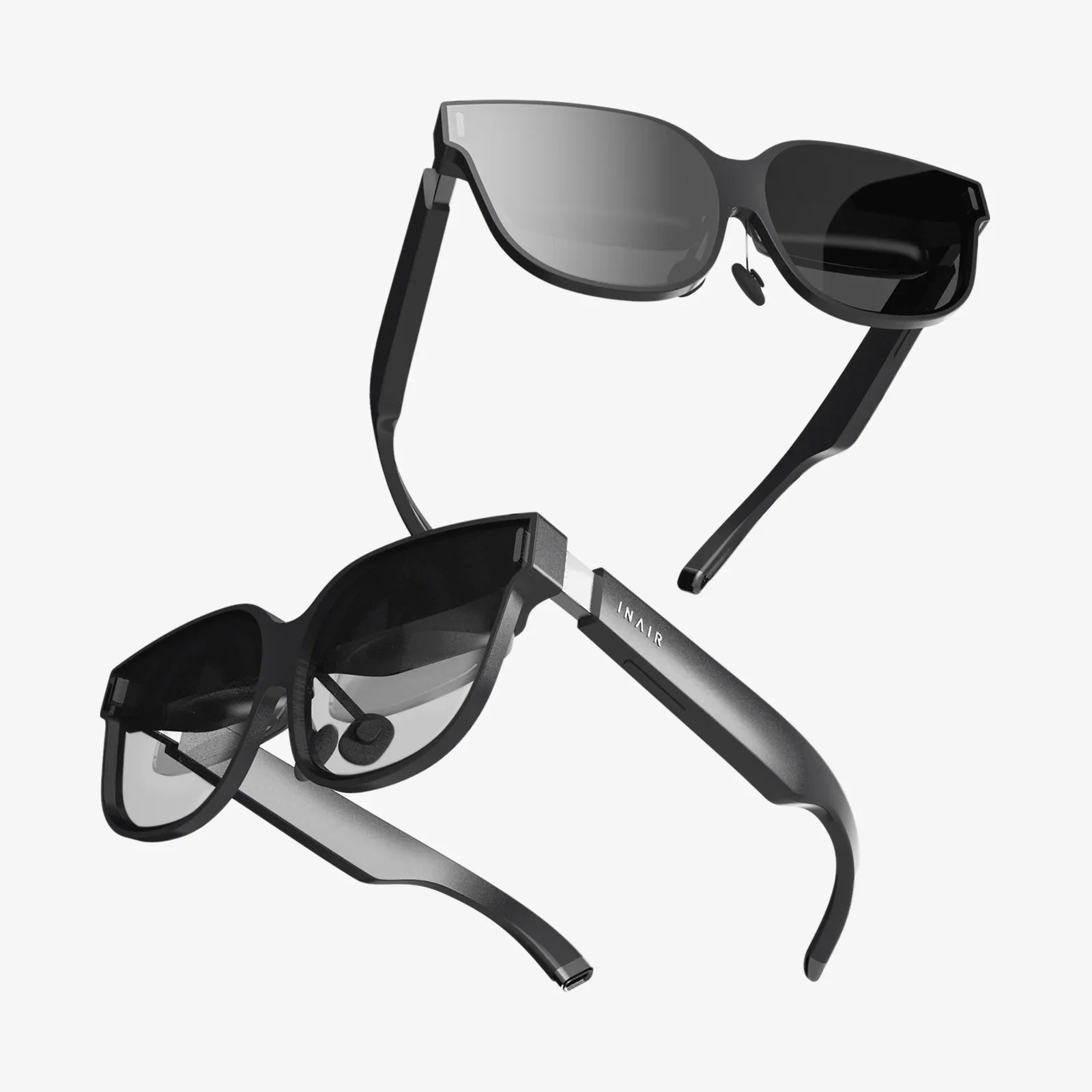
Imagine a world where the boundaries of physics, geography, and even identity dissolve at will—a world where you can walk with dinosaurs, design skyscrapers with a gesture, or sit face-to-face with a loved one on another continent as if they were in the same room. This is not the distant dream of science fiction; it is the imminent promise of futurist virtual reality, a technological evolution poised to become the most transformative medium in human history, redefining the fabric of experience, work, and connection itself.
The Evolutionary Leap: From Novelty to Neural Interface
The journey of virtual reality has been one of incremental progress punctuated by sudden, revolutionary leaps. Early iterations were defined by clunky headsets, limited graphical fidelity, and a distinct sense of isolation from the physical world. Futurist virtual reality, however, represents a fundamental paradigm shift. It moves beyond mere visual and auditory immersion to engage all human senses, creating a seamless and convincing synthetic reality.
This evolution is being driven by advancements across multiple domains. Photorealistic graphics, powered by real-time ray tracing and ever-more powerful processing units, are closing the "uncanny valley." Haptic feedback systems are evolving from simple rumble controllers to full-body suits that can simulate the touch of rain, the recoil of a weapon, or the pressure of a handshake. Perhaps most profound is the development of neural interfaces. While still in early stages, companies and research institutions are making significant strides in brain-computer interfaces (BCIs) that can translate neural signals into digital commands. The futurist vision is a VR experience controlled not by a handheld controller, but by thought and intention alone, blurring the line between mind and machine.
Redefining the Human Experience: Beyond Entertainment
While gaming and entertainment will remain powerful drivers for adoption, the true impact of futurist virtual reality will be felt across every facet of human life. It promises to dismantle traditional limitations and create new possibilities that were previously unimaginable.
The Future of Work and Collaboration
The concept of the office is undergoing a radical transformation. Futurist VR will complete this shift, moving remote work from flat video calls on a screen to immersive, shared virtual spaces. Imagine architects from around the globe collaboratively walking through a full-scale, photorealistic model of a new building, making adjustments to the structure in real time. Surgeons could practice complex procedures on detailed virtual anatomies or even guide robotic arms from thousands of miles away with sub-millimeter precision. This "virtual office" will foster a sense of presence and collaboration that two-dimensional screens cannot replicate, making distance truly irrelevant.
Revolutionizing Education and Training
Education will transition from passive learning to active experiencing. Instead of reading about ancient Rome, students will walk its streets, hear the sounds of the forum, and witness historical events unfold around them. Medical students will perform virtual dissections and diagnose virtual patients. Astronauts will train for missions in perfect simulations of space stations or Martian landscapes. This experiential learning paradigm will deepen understanding, improve knowledge retention, and democratize access to world-class training facilities regardless of a student's physical location.
Transforming Social Connection and Empathy
Social media connected the world through text and images. Futurist virtual reality will connect us through shared presence. Virtual gatherings will allow families and friends to share not just a video feed, but a space—watching a movie together in a virtual theater, hiking a virtual mountain, or simply sitting around a virtual fireplace. This technology also holds immense potential for fostering empathy. Experiences that allow individuals to "walk a mile" in someone else's shoes—whether a refugee fleeing conflict, a person with a disability navigating daily life, or a colleague from a different cultural background—can break down barriers and build profound understanding in a way that documentaries or articles cannot.
The Architectural and Economic Metaverse
The concept of the metaverse—a persistent, interconnected network of virtual worlds—is the natural habitat for futurist virtual reality. This will not be a single platform but a vast digital frontier with its own economy, social norms, and architecture. Virtual real estate will hold tangible value as locations for commerce, entertainment, and socializing. Digital artisans will create and sell virtual clothing, art, and experiences.
This new economy will be built on decentralized technologies like blockchain, enabling true digital ownership of assets. A virtual sculpture you purchase will be yours alone, verifiable and secure, capable of being displayed in your virtual home or any compatible world. This creates a new paradigm for creators, who can monetize their work directly and participate in the value they generate within these immersive ecosystems.
The Philosophical and Ethical Frontier
With such profound power comes a host of complex ethical dilemmas and philosophical questions that we must confront.
The Nature of Reality and Self
As virtual experiences become indistinguishable from physical ones, our perception of reality will be challenged. If you can have a more fulfilling, enjoyable, and controlled existence in a virtual world, which one is more "real"? This raises questions about the nature of consciousness and identity. If your digital avatar can accumulate wealth, form relationships, and achieve goals, what is the value of the physical self? Futurist VR could lead to a form of digital existentialism, where we are forced to define what gives life meaning.
Privacy, Security, and the Data Self
To create deeply immersive experiences, VR systems will require unprecedented access to our biometric and neurological data. Our eye movements, physiological responses, and even our brainwave patterns could be continuously monitored. This data is incredibly sensitive. Who owns it? How is it used and protected? The potential for manipulation, surveillance, and psychological profiling is staggering. Robust ethical frameworks and regulations will be essential to prevent a dystopian future where our innermost thoughts and reactions are commodified.
Accessibility and the Digital Divide
The promise of a connected virtual utopia is contingent on universal access. If futurist VR technology is expensive and available only to a privileged few, it risks creating a deeper and more profound digital divide. We could see a world split into two classes: those who can afford to enhance their reality and access new economic opportunities, and those who are confined to the limitations of the physical world. Ensuring equitable access will be one of the greatest societal challenges of this new age.
Navigating the Path Forward
The development of futurist virtual reality is not a predetermined path. It is a future we must actively shape through conscious design, thoughtful regulation, and inclusive dialogue. The focus must be on human-centric design—technology that augments our humanity rather than replaces it. This means building safeguards against addiction, prioritizing user well-being, and creating tools for connection rather than isolation.
Interoperability and open standards will be crucial to prevent a future of walled gardens and corporate-controlled realities. Just as the open internet flourished, a healthy metaverse will require users to move freely between virtual spaces with their identities and possessions intact. Furthermore, the development of a new "digital citizenship" will be necessary, establishing rights and responsibilities for individuals within these shared virtual societies.
The horizon glows with the potential of a technology that promises to be the final frontier of human-made experience. It is a canvas for our greatest ambitions and a mirror for our most profound questions. The journey into these synthetic realms will challenge our definitions of reality, community, and self, demanding not just technological innovation but a parallel evolution in our ethics and wisdom. The headset of the future is more than a device; it is a portal, and what we find on the other side will ultimately be a reflection of who we choose to become.
Share:
Can Virtual Reality Make You a Better Person? Exploring the Future of Empathy and Self-Improvement
Virtual Reality VR Background: The Unseen Engine Powering Immersive Digital Worlds