


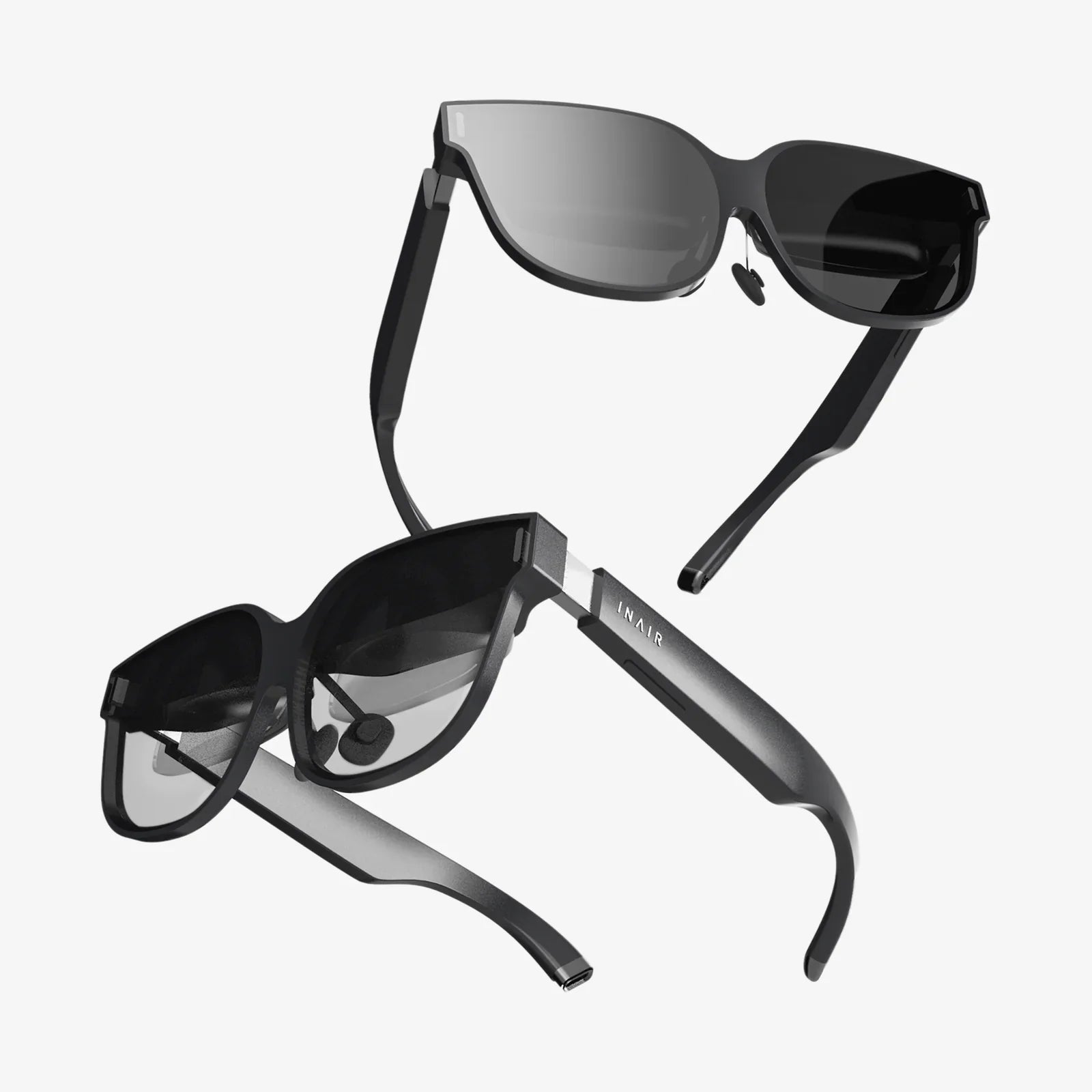
Imagine stepping into a new world. You feel the weight of the headset settle, and for a moment, there’s nothing but darkness. Then, light blooms. A landscape unfolds before you, vast and breathtaking. You are no longer in your living room; you are on the surface of Mars, in a bustling medieval marketplace, or deep within the human bloodstream. This instantaneous transportation, this magic trick of the mind, is the ultimate promise of virtual reality. But what is the canvas upon which this magic is painted? What is the foundation that makes this illusion not just possible, but profoundly believable? The answer lies in the often overlooked yet utterly critical element: the virtual reality VR background. It is the silent storyteller, the atmospheric anchor, and the unseen engine that powers true immersion. This is the story of that digital frontier.
Beyond a Pretty Picture: Deconstructing the VR Background
To the uninitiated, a VR background might seem like a simple, 360-degree wallpaper. This perception couldn't be further from the truth. It is a complex, multi-layered environment meticulously crafted to serve a singular purpose: convincing your brain that you are somewhere you are not.
At its core, a VR background is a fully three-dimensional, interactive stage. Unlike a static image, it possesses depth, scale, and physical properties. It is built upon a foundation of several key components:
- Geometry and Assets: This is the wireframe and polygon mesh that defines the shape of every object, from the towering skyscraper to the pebble on the ground. High-quality assets with appropriate polygon counts are crucial for detail without sacrificing performance.
- Textures and Materials: Textures are the 2D images wrapped over the 3D geometry to give it color and surface detail. Materials define how those surfaces react to light. Is a wall rough concrete or polished marble? Does a puddle reflect the sky? Advanced material systems using PBR (Physically Based Rendering) create astonishingly realistic interactions with virtual light sources.
- Lighting and Atmosphere: This is arguably the most important element for establishing mood and believability. Global illumination techniques simulate how light bounces around an environment, creating soft, natural shadows and ambient occlusion. Volumetric lighting creates god rays piercing through a forest canopy or fog hanging low in a haunted valley. The color palette, the time of day, the density of the air—all are controlled through atmospheric effects.
- Audio Spatialization: A VR background is not silent. True immersion requires a 3D audio landscape. The chirp of a distant bird should sound like it's coming from a specific tree. The echo of footsteps should change based on whether you're walking on stone or carpet. This auditory feedback is a powerful, often subconscious, anchor to the virtual space.
- Performance Optimization: A breathtaking world is useless if it stutters and lags, breaking immersion and potentially causing discomfort. Developers use techniques like Level of Detail (LOD), which simplifies object geometry at a distance, and occlusion culling, which doesn't render objects hidden from view, to ensure a smooth, high-frame-rate experience.
The Evolution of Digital Depth: From Wireframes to Living Worlds
The journey of the VR background is a story of technological triumph. In the early days of VR, environments were simplistic, composed of crude, low-polygon shapes and flat, repetitive textures. The limitations of processing power meant worlds were often barren and abstract. The goal was functional, not artistic—to prove the concept of a 3D interactive space.
The rise of powerful gaming engines marked a seismic shift. These engines provided developers with sophisticated toolkits for building worlds with unprecedented detail and physical accuracy. Suddenly, creators could sculpt realistic terrain, simulate complex physics, and bake incredibly realistic lighting directly into their scenes. The virtual reality VR background evolved from a mere setting into a character in its own right, capable of evoking emotion and guiding narrative.
Today, we stand on the brink of another revolution: real-time ray tracing and AI-powered generation. Ray tracing allows for photorealistic lighting and reflections by accurately simulating the physical behavior of light. AI is being used to create vast, detailed landscapes algorithmically, to upscale textures on the fly for better clarity, and even to generate dynamic, responsive environments that change based on user behavior. The background is becoming less of a pre-recorded set and more of a living, breathing ecosystem.
The Psychology of Presence: How a Background Tricks the Brain
The ultimate goal of any VR experience is to achieve "presence"—the uncanny sensation of actually being in the virtual environment. The virtual reality VR background is the primary architect of this phenomenon. It works on our perception through several psychological principles:
- Sensory Congruence: Our brains are constantly cross-referencing information from our senses. A VR background achieves presence by ensuring all sensory inputs are consistent. You see a rocky cliff face, and when you reach out, the haptic feedback in your controller provides a sensation of touching a rough surface. You hear a waterfall to your left, and when you turn your head, the sound correctly shifts to your right. Any inconsistency—a sound that doesn't match the source, a object you can walk through—instantly shatters the illusion.
- Perceptual Agency: The environment must react to the user's presence and actions in believable ways. Can you pick up objects? Do leaves rustle as you walk through them? Does switching a virtual lever cause a bridge to extend? This interactivity reinforces the user's belief that they are an active participant within the world, not just a passive observer.
- Atmospheric Narrative: A well-designed background tells a story without a single line of dialogue. A derelict space station with flickering lights, scorch marks on the walls, and emergency alarms whispering in the distance immediately communicates a history of catastrophe. This environmental storytelling engages the user's curiosity and emotional centers, deepening their investment in the experience.
Beyond Entertainment: The Functional Backdrop of the Future
While gaming showcases the most visually spectacular examples, the application of VR backgrounds extends far beyond. They are becoming functional tools in a variety of professional fields:
- Corporate Training and Simulation: Imagine training to perform a complex surgical procedure not in a sterile lab, but in a hyper-realistic virtual operating room. Pilots train in perfect replicas of cockpits over digitally recreated cities. Technicians can learn to repair machinery within a virtual copy of the exact engine model. The background provides context, stakes, and muscle memory without real-world risk.
- Education and Virtual Tourism: Students can don a headset and stand on the ancient Roman Senate floor, explore the Great Barrier Reef, or dissect a virtual frog. The background becomes an immersive textbook, transforming abstract concepts into tangible, explorable realities. Virtual tourism allows people to visit inaccessible or fragile real-world locations, from the summit of Mount Everest to the interior of the Sistine Chapel, with zero physical impact.
- Remote Work and Social Connection: The "metaverse" concept hinges on shared virtual spaces. Instead of a grid of video calls, teams can meet around a virtual conference table in a skyscraper overlooking a digital city. The background fosters a sense of shared space and collaboration that flat screens cannot replicate, making remote interaction feel more natural and engaged.
- Therapeutic Applications: VR is used for exposure therapy, where patients gradually confront phobias like fear of heights or public speaking within safe, controlled virtual environments. Soothing, naturalistic VR backgrounds are also used for meditation and stress relief, transporting users to a peaceful beach or a quiet forest to promote mindfulness and relaxation.
Challenges in Crafting the Infinite Canvas
Creating these immersive worlds is not without its significant hurdles. The pursuit of the perfect virtual reality VR background is a constant battle against technical and creative constraints.
- The Hardware Barrier: Photorealistic graphics demand immense processing power. There is a constant tension between artistic ambition and the limitations of standalone VR headsets and consumer-grade computers. Developers must make careful compromises to keep experiences accessible.
- The Uncanny Valley: As backgrounds approach photorealism, any minor flaw—a texture that doesn't look quite right, physics that feel slightly off—becomes more glaring and unsettling. Navigating this "uncanny valley," where things are almost but not perfectly real, is a major challenge for artists.
- Designing for 360 Degrees: Unlike a traditional screen, every single angle of a VR environment must be considered and polished. There is no "off-camera." This exponentially increases the amount of work required to create a cohesive and detailed world.
- User Comfort and Accessibility: Backgrounds must be designed to minimize simulator sickness. Rapid movement, inconsistent motion, and certain visual effects can cause discomfort for users. Ensuring intuitive navigation and comfortable experiences for a diverse audience is a primary design concern.
The Horizon of Holographic Reality: What Comes Next?
The future of the virtual reality VR background is moving towards complete sensory saturation and dynamic intelligence. We are progressing towards environments that are not just seen and heard, but felt. Haptic feedback suits will simulate touch, temperature, and even the impact of virtual rain. Advanced olfactory systems could introduce smell, from the scent of pine in a forest to the acrid smoke of a battlefield.
Furthermore, backgrounds will become truly dynamic and responsive. Powered by AI, worlds will learn and adapt. Non-player characters will have their own schedules and memories. Ecosystems will grow and change over time. The line between a pre-scripted background and a living world will blur into oblivion. The ultimate goal is a "holodeck"-like experience, where the virtual environment is indistinguishable from physical reality, responding to our every whim and action with flawless fidelity.
This is the final frontier of the virtual reality VR background. It’s a journey from being a static setting to becoming a dynamic, intelligent, and multi-sensory partner in our digital lives. It’s the canvas upon which we will paint new realities, forge new connections, and explore the furthest reaches of human imagination. The next time you put on a headset, take a moment to truly look around. Appreciate the digital air, the crafted light, the silent history embedded in the walls. You’re not just looking at a background; you’re standing inside the future.
Share:
Futurist Virtual Reality: The Next Frontier of Human Experience and Connection
Why Is Virtual Reality Interesting: A Journey Beyond the Screen