


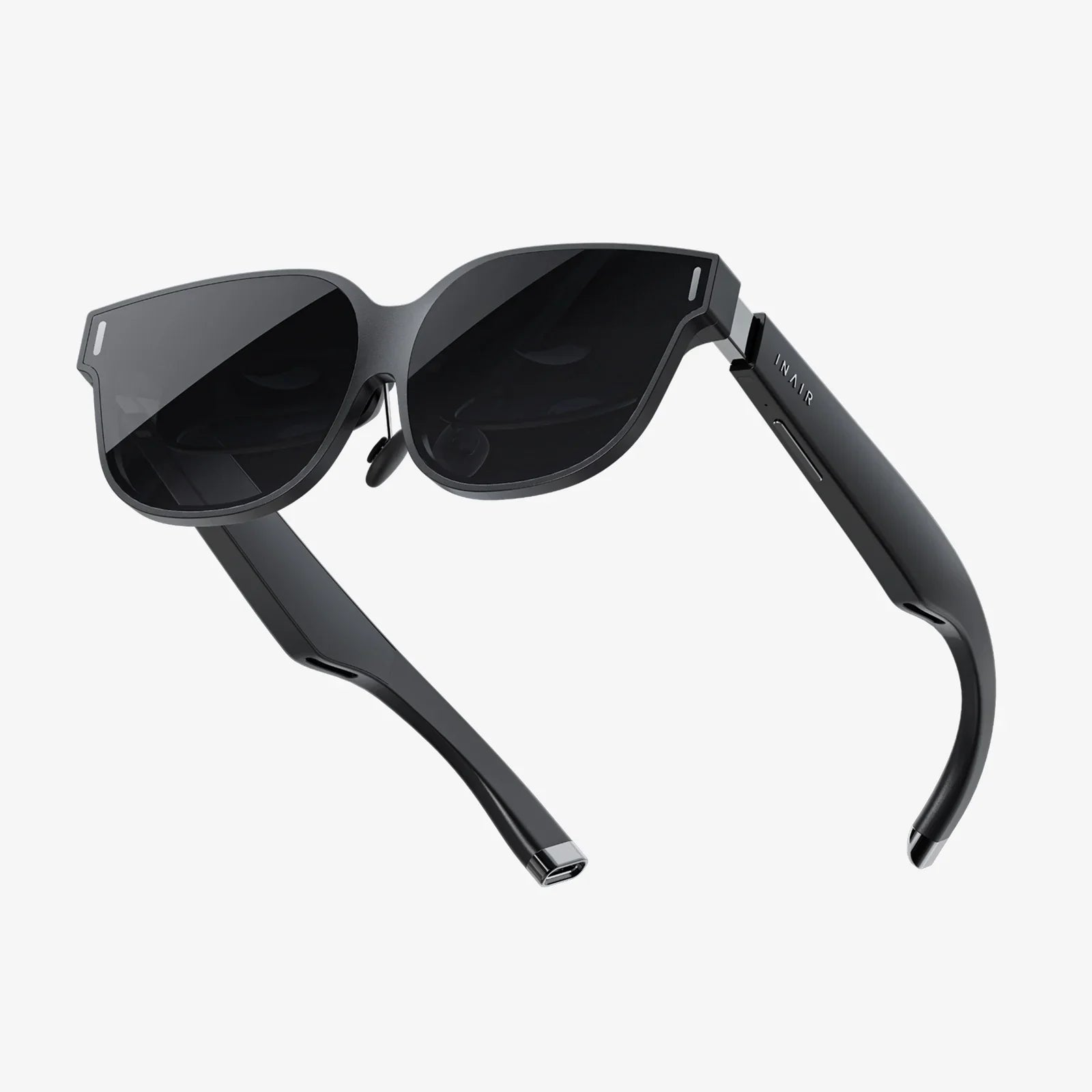
Imagine a world where information flows as effortlessly as your vision, where the digital and physical realms merge into a single, seamless experience. This is the promise held by the latest generation of wearable technology: glasses connected to your phone. No longer a fantastical concept from science fiction, this technology is quietly stepping out of the laboratory and into the mainstream, poised to revolutionize how we interact with the world around us and the devices we depend on. It’s not about replacing reality but augmenting it, enriching our daily lives with a layer of digital intelligence that feels intuitive, helpful, and, most importantly, invisible.
Beyond the Screen: A New Paradigm of Interaction
For decades, our primary window to the digital world has been a rectangular screen. We stare down at our phones, tablets, and laptops, often to the exclusion of the environment around us. Glasses connected to a smartphone represent a fundamental shift away from this paradigm. Instead of pulling us out of the moment, they aim to keep us firmly within it, overlaying useful data and digital objects onto our field of view. This concept, known as augmented reality (AR), is the core driving force behind this technological leap. It’s a move from immersive, screen-bound digital consumption to contextual, ambient digital assistance.
How It Works: The Symphony of Hardware and Software
The magic of glasses connected to a phone is a sophisticated dance between miniature hardware components and powerful software, all orchestrated by your smartphone.
The Core Components in the Frames
Within the sleek frames of these advanced glasses reside several key technologies:
- Micro-Displays: Tiny, high-resolution screens, often using technologies like OLED or LCoS, project images. These are typically located on the inside of the lenses or use a waveguide system to beam light to the eye.
- Waveguides and Combiners: This is the optical heart of the system. These are transparent gratings or prisms embedded within the lenses that reflect the projected image from the micro-display into the user’s retina while allowing most ambient light to pass through. This creates the illusion that the digital image is floating in the world at a certain distance.
- Audio System: Rather than bulky headphones, many smart glasses use bone conduction or miniature, directional speakers built into the temples. These send sound vibrations directly to the inner ear, allowing the user to hear music, navigation prompts, or calls while still being aware of ambient noises—a critical feature for safety.
- Sensor Suite: An array of sensors, including accelerometers, gyroscopes, magnetometers (compass), and ambient light sensors, work together to understand the user’s head position, movement, and environment. Higher-end models may include depth sensors and cameras for more advanced AR experiences.
- Connectivity and Battery: A small battery is housed within the frames, typically offering several hours of use. They connect to the phone via low-energy Bluetooth, which handles the constant data transfer while consuming minimal power.
The Power of the Paired Phone
The smartphone acts as the brain of the entire operation. It handles the heavy computational lifting: running the operating system, processing data from the glasses' sensors, connecting to the internet via cellular or Wi-Fi, and executing complex AR algorithms. The glasses themselves are a sophisticated peripheral, a second screen and a new set of sensors that extend the phone’s capabilities into the user’s immediate environment. This symbiosis keeps the glasses lightweight, stylish, and energy-efficient.
A World of Possibilities: Transformative Use Cases
The true value of any technology lies in its application. Glasses connected to a phone unlock a vast array of use cases that span from the mundane to the extraordinary.
Navigation and Exploration
Imagine walking through an unfamiliar city with floating directional arrows superimposed onto the sidewalk in front of you, or looking at a restaurant and instantly seeing its reviews and menu highlights hover beside its entrance. This is the power of contextual navigation. It liberates users from constantly glancing down at a phone map, making exploration more intuitive, immersive, and safe.
Communication and Information
These glasses can fundamentally change how we receive notifications and communicate. Instead of a buzzing phone, a subtle, non-intrusive message could appear in the corner of your vision. You could read and dismiss emails, check calendar appointments, or see who is calling without ever reaching for your device. For language translation, looking at a foreign street sign could instantly overlay the translation in your native language, breaking down communication barriers in real-time.
Productivity and Assistance
For professionals, the applications are immense. A technician repairing complex machinery could have schematics and step-by-step instructions displayed right on the equipment they are working on. A medical student could study a holographic human anatomy model. During a presentation, a speaker could see their talking points privately while maintaining eye contact with the audience. This hands-free access to information can dramatically increase efficiency and reduce errors.
Accessibility and Inclusion
This technology holds profound potential for accessibility. For individuals with hearing impairments, real-time speech-to-text transcription could be displayed as subtitles on the world, turning conversations into something visual. For those with low vision, the glasses could highlight obstacles, enhance contrast, or read out text from the physical world, granting a new level of independence.
Navigating the Challenges: Privacy, Design, and Society
As with any transformative technology, the path forward is not without significant hurdles that must be thoughtfully addressed.
The Privacy Paradox
The inclusion of cameras and sensors in a wearable, always-on device raises legitimate and serious privacy concerns. The idea of people passively recording their surroundings could lead to a societal chilling effect. Robust, transparent, and user-centric privacy controls are non-negotiable. Features like clear recording indicators (e.g., a bright LED light), easy-to-access physical camera shutters, and strict data handling policies will be essential to gaining public trust. The industry must prioritize ethical design to prevent this technology from becoming a tool for surveillance.
The Battle of Form Versus Function
For glasses to be adopted widely, they cannot look like clunky prototypes from a tech demo. They must first and foremost be stylish, comfortable, and socially acceptable. Consumers will not wear something that makes them look awkward or draws unwanted attention. The greatest challenge for engineers is miniaturizing the technology without compromising on battery life or performance, all while fitting it into a form factor that people actually want to wear all day. The ultimate goal is for the technology to disappear, leaving behind only the benefit.
Digital Overload and the Attention Economy
There is a valid fear that overlaying digital information onto our entire field of vision could lead to increased distraction and digital overload. If not designed carefully, these devices could become the ultimate source of interruption, fracturing our attention even further. The interface design must be minimalist, context-aware, and prioritize the user’s real-world focus. Notifications should be subtle and timely, enhancing presence rather than detracting from it. The technology should serve to augment our human experience, not overwhelm it.
The Road Ahead: The Invisible Future
The evolution of glasses connected to phones is moving rapidly. We are progressing from simple displays of information to true spatial computing, where digital objects understand and interact with the physical space around them. Advances in artificial intelligence will make the interactions more conversational and predictive. The hardware will continue to shrink, eventually becoming indistinguishable from traditional eyewear. Battery technology will improve, and new interaction methods, like subtle gesture control or neural interfaces, may replace touchpads entirely.
We are standing at the precipice of a new computing era, one where the boundary between our digital and physical lives will finally dissolve. Glasses connected to our phones are the key that will unlock this future, offering a glimpse of a world where technology doesn’t demand our attention but quietly empowers us to see, hear, and understand our reality in ways we never thought possible. The revolution won’t be televised on a screen—it will be seen through the lenses on our faces.
Share:
Extended Reality Examples in Real Life: The Invisible Revolution Reshaping Our World
Best AI Sunglasses 2025: The Ultimate Guide to Eyewear Intelligence