


Imagine a world where your customers can try on your latest product from their living room, your field technicians can see repair instructions overlaid on a faulty engine, and your training programs transform from dull manuals into immersive, interactive experiences. This is not a glimpse into a distant sci-fi future; it is the present-day reality powered by Augmented Reality (AR), a technology that is fundamentally reshaping the corporate landscape and creating unprecedented opportunities for growth, engagement, and innovation. For forward-thinking business leaders, understanding and implementing AR is no longer a novelty—it's a strategic imperative for staying competitive in an increasingly digital world.
The Foundation: Understanding Augmented Reality in a Business Context
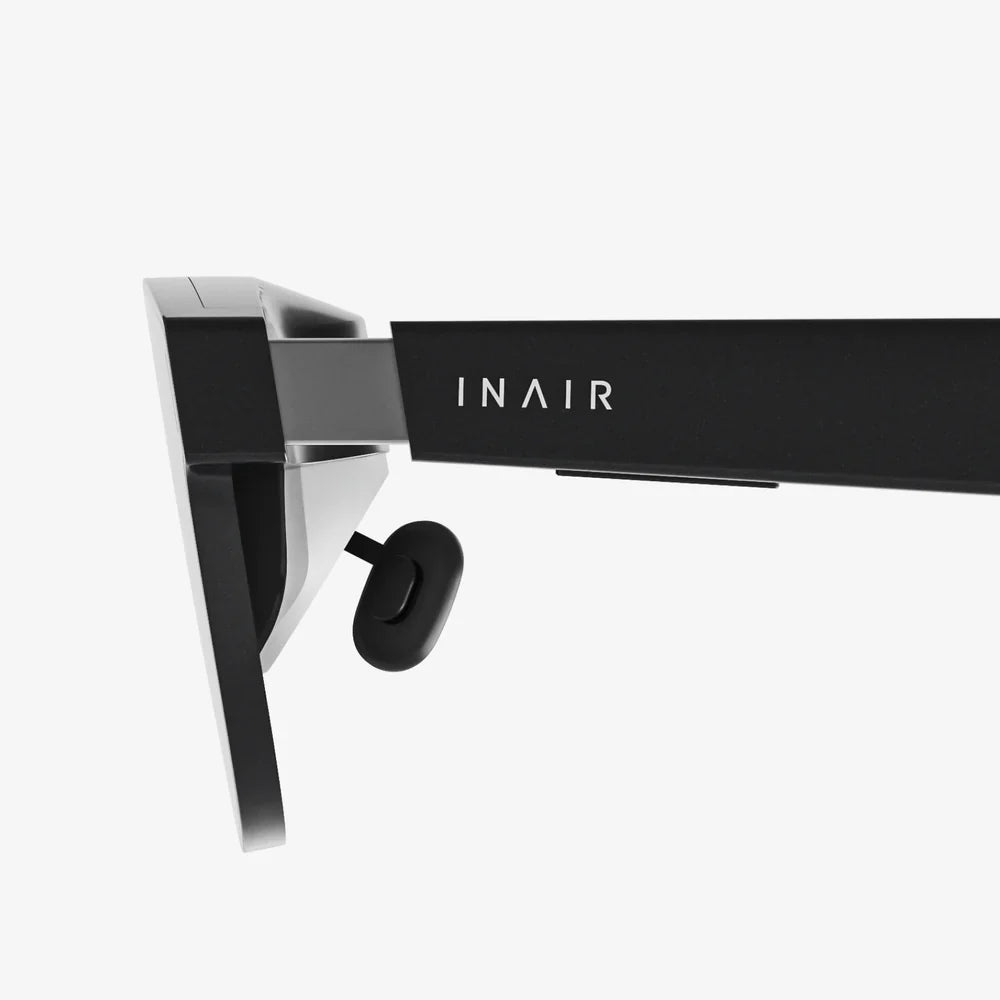
At its core, Augmented Reality is a technology that superimposes computer-generated images, sounds, and other sensory enhancements onto a user's real-world view. Unlike Virtual Reality (VR), which creates a completely artificial environment, AR enhances the existing world by adding digital information onto it. This is typically experienced through smartphones, tablets, smart glasses, or other wearable devices. For businesses, this seamless blend of the physical and digital realms opens a vast array of possibilities to bridge the gap between online convenience and in-person experience.
The power of AR lies in its ability to provide contextual, just-in-time information. It transforms passive observation into active interaction, allowing users to manipulate digital objects, access data visually, and receive guided instructions within their immediate environment. This contextual relevance is the key to its business value, making complex information intuitive and actionable.
Revolutionizing the Customer Experience: The Retail and E-Commerce Frontier
Perhaps the most visible application of AR is in the retail sector, where it directly addresses one of the most significant limitations of online shopping: the inability to physically interact with a product.
Virtual Try-On and Visualization
AR allows customers to project products into their personal space. Shoppers can see how a new sofa would look in their living room, visualize a fresh coat of paint on their walls, or "try on" watches, makeup, and eyeglasses using their device's camera. This capability drastically reduces purchase hesitation and uncertainty. By providing a realistic preview, businesses empower consumers to make more confident buying decisions, which directly translates to higher conversion rates and a significant reduction in product returns—a major cost center for e-commerce operations.
Interactive Marketing and Enhanced Engagement
Beyond the point of sale, AR creates deeply engaging marketing campaigns. Imagine a print ad in a magazine that, when viewed through a smartphone, springs to life as a 3D animated model showcasing a clothing line. Or a product package that, when scanned, reveals a detailed interactive tutorial or a fun game. These "phygital" experiences create memorable brand interactions that foster emotional connections, drive social sharing, and generate valuable buzz, far surpassing the impact of traditional static advertising.
In-Store Navigation and Information
For brick-and-mortar stores, AR can enhance the in-person experience. Customers could use an app to navigate a large store, receiving visual cues to locate items on their shopping list. By pointing their phone at a product, they could instantly access detailed specifications, customer reviews, or alternative color options, effectively bringing the wealth of online information directly into the physical shopping aisle.
Streamlining Operations and Supercharging Workforce Efficiency
While customer-facing applications are flashy, some of the most profound ROI from AR is found internally, in streamlining complex operational processes and empowering employees.
Advanced Training and Skill Development
AR is revolutionizing corporate training, particularly for hands-on, technical roles. Instead of learning from a thick manual or a video, trainees can use AR glasses or tablets to receive step-by-step, hands-free instructions overlaid directly onto the equipment they are learning to operate or repair. This "see-what-I-see" guidance accelerates the learning curve, improves knowledge retention, and reduces errors. For example, a novice engineer can see animated arrows pointing to specific components, warnings highlighting potential hazards, and digital annotations explaining each step, all while keeping their hands free to work.
Remote Assistance and Expert Collaboration
Businesses often have a limited number of highly specialized experts. AR enables these experts to be virtually anywhere in the world. Using AR glasses, a field service technician can stream their live view to a remote senior engineer. The expert can then draw arrows, highlight components, and display instructions directly into the technician's field of view, guiding them through a complex repair in real-time. This "remote mentor" capability minimizes equipment downtime, reduces travel costs for specialists, and ensures problems are resolved correctly the first time.
Logistics, Warehousing, and Assembly
In warehouses and on factory floors, AR is driving immense gains in accuracy and speed. Warehouse pickers equipped with smart glasses can have the most efficient route visually mapped out for them, with digital indicators pointing to the exact shelf location of an item. In complex assembly operations, workers can see digital templates projected onto their workstations, showing exactly where each part should be placed, which tools to use, and the correct torque specifications for bolts, virtually eliminating assembly errors.
Transforming Design, Prototyping, and Manufacturing
The product development lifecycle is another area ripe for AR disruption. Designers and engineers can use AR to visualize and interact with 3D digital prototypes at a 1:1 scale, examining them from every angle and making adjustments in real-time before committing to expensive physical prototypes. This not only saves tremendous amounts of time and resources but also fosters better collaboration between design, engineering, and marketing teams, as everyone can intuitively understand and critique the product in a shared, immersive space.
Data Visualization and Informed Decision-Making
For data-intensive industries, AR can transform abstract numbers into tangible, visual insights. Architects and urban planners can overlay proposed building designs onto a real-world site to assess their impact. Facility managers can visualize energy consumption data or plumbing schematics overlaid on the physical building, making it easier to identify inefficiencies or plan maintenance. This fusion of data with reality allows for more informed, contextual, and faster decision-making.
Overcoming Implementation Challenges
Adopting AR is not without its challenges. Businesses must consider the development costs, choose the right hardware (from consumer smartphones to enterprise-grade headsets), ensure robust data security, and manage the cultural change associated with introducing new technology. A successful strategy often starts with a well-defined pilot project targeting a specific, high-value use case to demonstrate clear ROI before scaling across the organization.
The Future is Augmented: A Lasting Competitive Advantage
The businesses that are pioneering AR today are not just adopting a new tool; they are building a foundational capability for the next decade. As the technology becomes more affordable, hardware becomes more comfortable and powerful, and 5G connectivity reduces latency, AR will shift from a competitive advantage to a standard business expectation. The line between our digital and physical lives will continue to blur, and the companies that have already mastered the art of enhancing reality will be the ones leading their industries. They will have deeper customer relationships, more efficient operations, and a workforce empowered with superhuman capabilities, all because they dared to see the world not just as it is, but as it could be.
The potential of AR is limited only by imagination. From the way we shop and learn to how we build and repair, this technology offers a powerful lens through which to reimagine and optimize nearly every business process. The question for today's leaders is no longer if AR will impact their industry, but how quickly they can harness its transformative power to create value, delight customers, and build a future-ready enterprise. The tools are here, the use cases are proven, and the early adopters are already reaping the rewards—the only thing left to do is take the first step into an augmented future.
Share:
Business Uses for Augmented Reality: Transforming Operations, Training, and Customer Engagement
Can You Use a VR Headset on a Plane? The Ultimate Guide to In-Flight Virtual Reality