


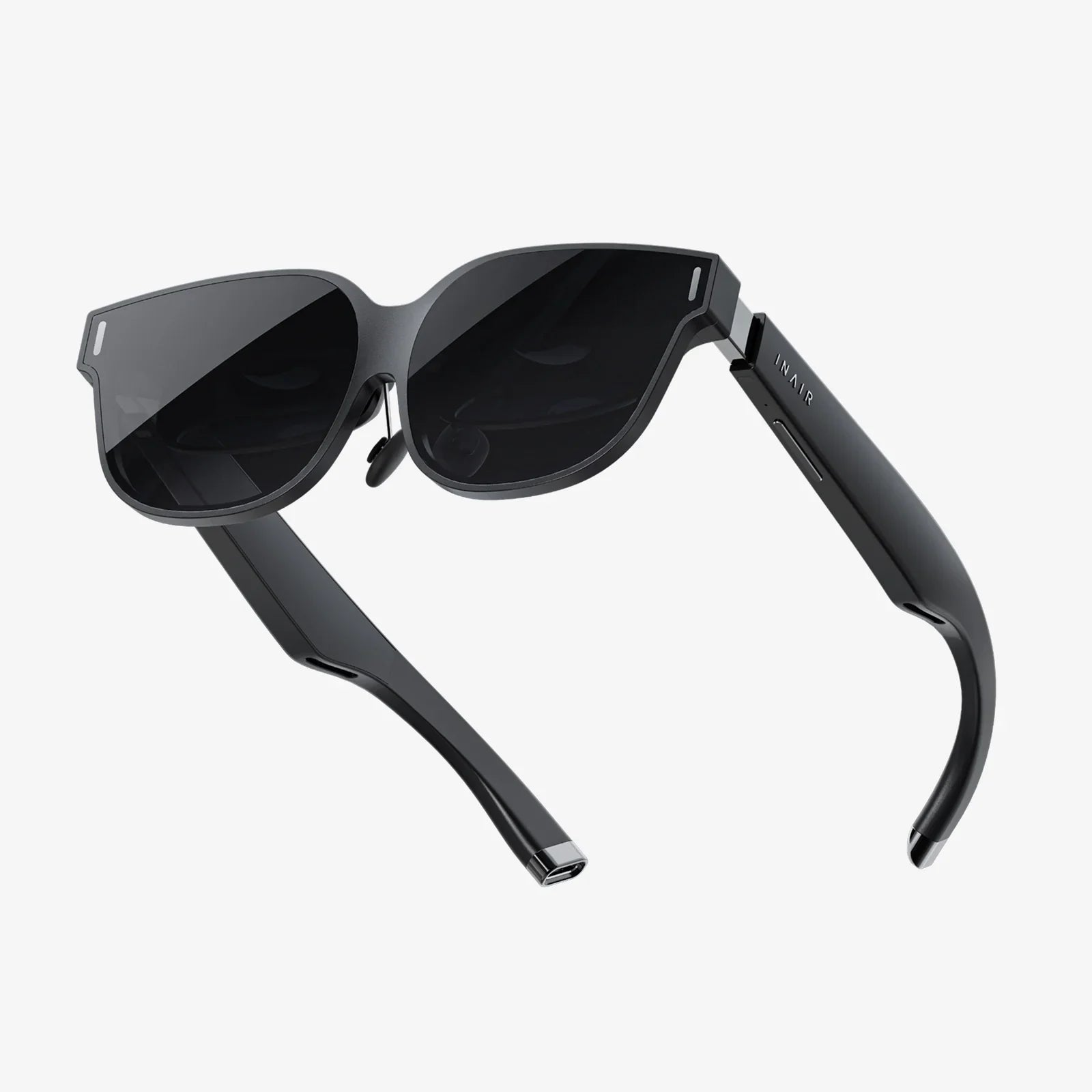
Imagine slipping on a headset and instantly being transported to a bustling ancient marketplace, a serene beach at sunset, or the surface of Mars. The sights, the sounds, the feeling of presence is so overwhelming that your body reacts as if it's truly there—your heart rate might increase, you might feel a wave of vertigo, or you might instinctively reach out to touch a virtual object. This is the power of virtual reality, a technology that doesn't just entertain our eyes but fundamentally hijacks and engages the most complex organ in our body: the human brain. The question is no longer if VR is immersive, but how this profound immersion is actively reshaping our neural pathways, recalibrating our senses, and challenging the very nature of our reality.
The Ultimate Illusion: Tricking the Sensory Gatekeeper
To understand how virtual reality affects the brain, we must first appreciate the brain's role as the ultimate creator of our reality. We don't experience the world directly; instead, our brain constructs a simulation based on sensory inputs. VR cleverly exploits this biological process. By presenting our visual and auditory systems with coherent, interactive, and spatially consistent information, it initiates a powerful neurological trick.
The brain's vestibular system, located in the inner ear, is responsible for providing our sense of balance and spatial orientation. It typically works in concert with our visual system. When you turn your head, your eyes and vestibular system agree on the movement. In VR, however, your eyes report movement through a digital world, while your vestibular system reports that your body is stationary. For many, this sensory conflict can trigger cybersickness—a form of motion sickness characterized by dizziness, nausea, and disorientation. The brain struggles to reconcile the mismatch, interpreting it as a potential sign of neurological malfunction or poisoning, hence the adverse physical reaction. Over time, however, the brain can exhibit a remarkable degree of neuroplasticity, adapting to this discordance and reducing symptoms with repeated exposure.
Neuroplasticity and the Malleable Mind
Neuroplasticity is the brain's lifelong ability to reorganize itself by forming new neural connections. Every time we learn a new skill or have a new experience, our brain changes. VR provides an exceptionally potent and controlled environment for targeted neuroplasticity. This has become the foundation for its therapeutic applications.
In the realm of physical rehabilitation, patients recovering from a stroke or traumatic injury can use VR to practice movements in a engaging, virtual setting. The brain doesn't distinguish with perfect clarity between physically performing an action and vividly imagining it or performing it in a convincing virtual space. Practicing a movement in VR activates the same motor cortex networks as performing the actual movement. This repeated activation helps strengthen the neural circuits responsible for that movement, aiding significantly in recovery and rewiring the brain around damaged areas.
Similarly, for phobia treatment and exposure therapy, VR is revolutionary. Traditionally, a person with a fear of heights (acrophobia) might progress through a hierarchy of anxiety-provoking situations, from looking at pictures to eventually maybe standing on a balcony. VR allows for a fully controlled and safe graduated exposure. A patient can stand on a virtual plank extending from a skyscraper, and their brain and body will react with genuine fear and anxiety. By repeatedly facing this fear in a safe environment, the brain learns that the situation is not life-threatening. The amygdala, the brain's fear center, becomes less reactive, and the prefrontal cortex, responsible for rational thought and regulation, strengthens its control. The brain literally re-wires itself to reduce the phobic response.
Rewiring Memory and Cognitive Function
The immersive nature of VR also has profound implications for learning and memory. The brain is far better at remembering information embedded in a rich, spatial, and experiential context—a phenomenon known as episodic memory. Reading about the Roman Colosseum is one thing; virtually walking through its corridors, hearing the echoes of a crowd, and looking up at its vast structure is another. This embodied experience creates a powerful and durable memory trace.
Studies have shown that students learning in VR environments demonstrate higher retention rates and better recall compared to traditional learning methods. The brain encodes the experience not as a list of facts but as a personal event, making the memory more resilient and accessible. This spatial learning engages the hippocampus, a brain region critical for memory formation and navigation. By actively using the hippocampus to explore a virtual space, we are effectively giving it a workout, potentially enhancing its function.
Furthermore, VR is being explored as a tool for cognitive assessment and training for age-related decline and neurological conditions. Navigating complex virtual mazes can test spatial memory and executive function more effectively than traditional paper-based tests. For those experiencing mild cognitive impairment, tailored VR cognitive games can provide targeted stimulation to help maintain neural circuits and slow progression.
The Dark Side of Immersion: Potential Neurological Risks
While the potential for good is immense, the power of VR to affect the brain also necessitates a discussion of its potential risks, particularly with prolonged or irresponsible use. One of the most significant concerns is the phenomenon of reality blurring.
After extended periods in VR, some users report a brief period of dissociation or a feeling of strangeness upon returning to the physical world. Their perception of reality can feel slightly altered or less vivid. This is a temporary effect of the brain rapidly readjusting its sensory weighting, but it raises questions about the long-term impact of regularly switching between realities. Could frequent VR use lead to persistent derealization or a diminished sense of presence in the physical world? The research is still young, but it is a active area of neurological inquiry.
Another critical concern is the impact on the developing brain. Children's brains are exceptionally plastic, constantly building and pruning neural connections based on their experiences. Immersing a developing brain in hyper-stimulating, artificial environments could potentially alter the development of sensory systems, attention spans, and social cognition. For instance, if a child's brain becomes accustomed to the perfectly controlled and instantly gratifying world of VR, might they find the slower, messier, and unpredictable physical world less engaging? Establishing guidelines for safe usage duration and content for children is a crucial neurological and ethical imperative.
Finally, the potential for manipulative experiences cannot be ignored. Because VR triggers genuine emotional and physiological responses, it could be used to create powerfully persuasive or even traumatic experiences. The strength of the memories formed in VR makes it a potent tool for propaganda or malicious psychological manipulation. Protecting the brain from such neural hijacking will be a key challenge as the technology becomes more widespread.
The Future of the Brain in a Virtual Age
As VR technology evolves with better resolution, wider fields of view, and more sophisticated haptic feedback, its ability to seamlessly interface with the brain will only improve. We are moving towards a future where virtual experiences will be indistinguishable from physical ones, at least from a sensory perspective. This will unlock even more profound applications and raise deeper philosophical questions.
Brain-Computer Interfaces (BCIs) are beginning to converge with VR. The ultimate goal is not just to present information to the senses, but to read and write neural information directly. This could allow for truly immersive experiences where you can control a virtual environment with your thoughts or feel virtual textures through direct neural stimulation. The ethical and neurological implications of this are staggering, potentially leading to a future where the line between the biological brain and the digital simulation becomes irrevocably blurred.
We are standing at the frontier of a new understanding of the brain. Virtual reality has provided us with a unique and powerful tool—a kind of "neural scalpel"—that allows us to carefully manipulate sensory input and observe the brain's remarkable adaptability in real-time. It is teaching us that our experience of reality is not fixed but a fragile, constructed consensus between our senses and our brain.
The flickering images inside a headset are more than just a game; they are a mirror reflecting the incredible, malleable, and sometimes vulnerable nature of our own consciousness. As we continue to build these new worlds, we are, in the most literal sense, rebuilding our own minds—discovering an incredible capacity for healing and growth, while cautiously navigating the potential to lose our grip on the reality we've always known. The journey into virtual space is, ultimately, a journey into the deepest workings of the human brain itself.
Share:
How Long Till Virtual Reality Becomes an Indistinguishable Part of Our Daily Reality?
What Is Virtual Reality in AI: The Symbiotic Future of Immersion and Intelligence