


Imagine pointing your phone at a dusty, forgotten street corner and watching a historical battle unfold in breathtaking detail right before your eyes. Or looking at a complex engine part through a maintenance visor and seeing animated, step-by-step repair instructions overlaid directly onto the machinery. This isn't science fiction; it’s the immediate and astonishing reality offered by Lens AR Experiences, a technological leap that is quietly dissolving the barrier between the digital and the physical.
The Magic Behind the Curtain: How Lens AR Works Its Illusion
At its core, a Lens AR Experience is a sophisticated interplay of software and hardware designed to augment your view of the real world with contextual, interactive digital information. Unlike Virtual Reality (VR), which seeks to replace your reality entirely, AR aims to enhance and enrich it. The "lens" in this context is the camera viewfinder on your smartphone, tablet, or a pair of smart glasses, acting as your window into this merged world.
The technology orchestrates this magic through a complex, real-time dance of processes:
- World Sensing and Mapping: The moment you activate a Lens, its software begins a frantic, invisible analysis of the world through your camera. It identifies unique features, textures, and points of interest—a process known as feature mapping. It uses Simultaneous Localization and Mapping (SLAM) technology to understand its position in the environment and create a rough 3D mesh of the space. This is how it knows that a digital dinosaur should be standing on your floor and not floating in the middle of your coffee table.
- Tracking and Anchoring: For the illusion to hold, the digital object must remain locked, or "anchored," to a specific point in the real world. Advanced algorithms track the device's movement—using data from gyroscopes, accelerometers, and the visual features it has mapped—to adjust the perspective and scale of the digital object in real-time. This persistent anchoring is what sells the reality of the experience.
- Rendering and Occlusion: This is where the true artistry happens. The system must render a 3D object or animation with realistic lighting and shadows that match its physical environment. More advanced Lenses employ occlusion, a technique where the digital object can be hidden behind real-world objects. If you walk behind a virtual character, it doesn't disappear; you simply see it obscured by the real-world pillar in front of you, a critical detail for deep immersion.
- Interaction and Interface: The final layer is interactivity. Through touchscreens, voice commands, or even hand-tracking gestures, users can engage with the digital elements. They can push buttons on a virtual control panel, change the color of a digital sneaker, or play a mini-game that exists on their kitchen countertop.
Beyond the Gimmick: The Pillars of Practical Application
While playful face filters and dancing hot dogs popularized the concept, the true power of Lens AR Experiences lies in their profound utility across nearly every major industry.
Revolutionizing Retail and E-Commerce
This is perhaps the most visible and commercially successful application. Lens AR has effectively solved the "try before you buy" problem for online shopping. Consumers can now project virtual furniture into their living room at true-to-life scale, seeing if that new sofa fits the space and matches the décor. They can "try on" sunglasses, makeup, and watches from the comfort of their home, drastically reducing purchase anxiety and return rates. This virtual showroom effect is not just convenient; it’s building a new, more confident relationship between brands and customers.
Transforming Education and Training
Textbooks and 2D diagrams are static and often difficult to contextualize. Lens AR Experiences are turning learning into an interactive, exploratory adventure. A biology student can point their device at a textbook image of the human heart and watch a beating, animated 3D model emerge, which they can rotate, zoom into, and label. Medical students can practice complex surgical procedures on virtual patients overlaid onto mannequins, making mistakes without consequence. Field technicians can receive remote expert guidance, with instructions and arrows superimposed directly onto the equipment they are fixing. This hands-on, visual learning dramatically improves comprehension and retention.
Enhancing Navigation and Wayfinding
Traditional map apps require us to constantly look down at our phones, translating a 2D arrow into a 3D world. Lens-based navigation overlays giant, floating directional arrows onto the street in front of you through your camera. You simply follow the path laid over reality. At an airport or train station, virtual signs can guide you to your gate. In a museum, arrows can lead you to a specific exhibit, with information popping up about artifacts as you pass them. This creates a seamless, heads-up navigation experience that keeps users engaged with their environment, not isolated from it.
Creating New Forms of Storytelling and Marketing
Brands and artists are using Lens AR to create immersive narratives and campaigns that consumers can step into. A movie poster can come alive, playing a trailer and showing off characters. A product package can transform into a game or reveal the story of its creation. This transforms passive observation into active participation, forging a much deeper and more memorable emotional connection with the audience than any traditional advertisement could achieve.
The Inevitable Horizon: The Shift from Handheld to Hands-Free
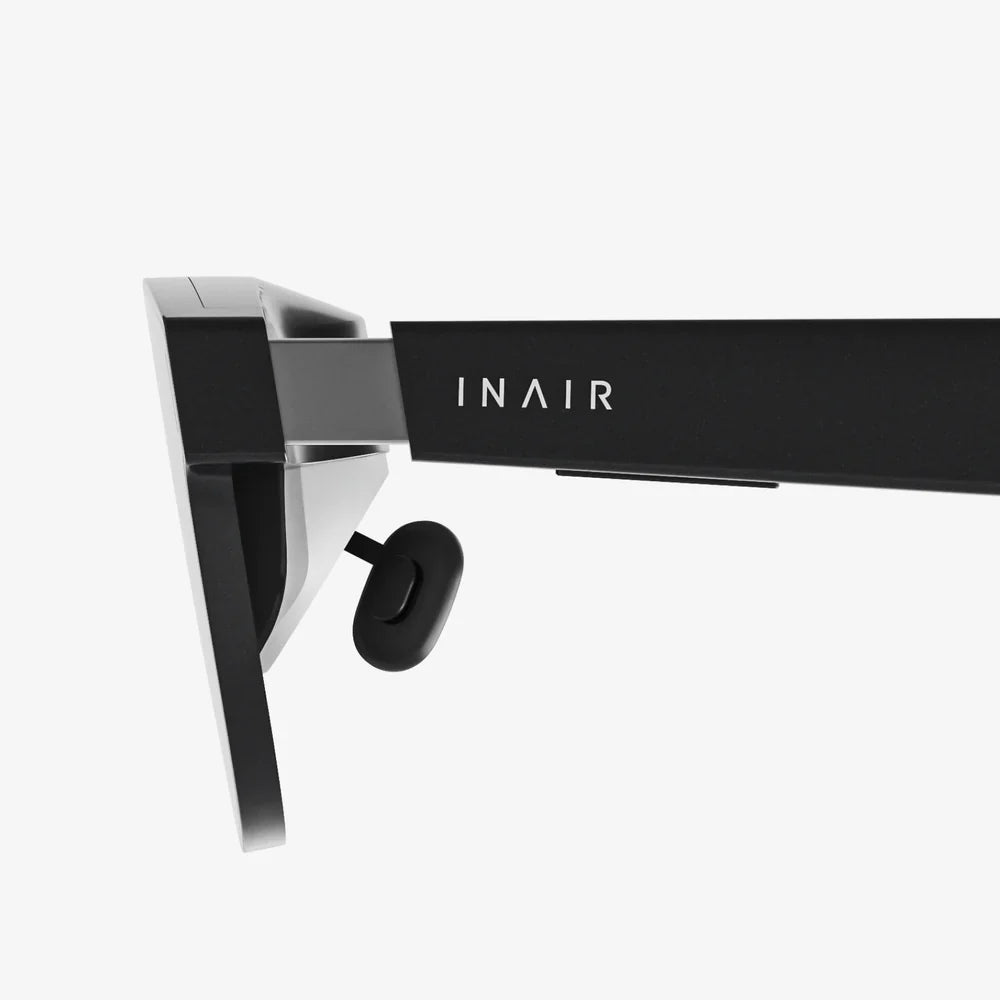
While smartphone-based AR is ubiquitous and powerful, it is ultimately a transitional technology. Holding a phone up to experience the world is inherently clunky and limits immersion. The true endgame for Lens AR Experiences is the widespread adoption of smart glasses and other wearable form factors.
This shift will be as transformative as the move from desktop computers to smartphones. Always-on, context-aware AR glasses will provide a continuous stream of relevant information without ever requiring you to reach into your pocket. Your morning run stats could hover in the corner of your vision. The name of a colleague you rarely see could discreetly appear next to them as they walk by. Recipe instructions could be displayed right next to the mixing bowl you’re using. This ambient computing paradigm promises to make technology a more intuitive and integrated assistant in our daily lives, rather than a distracting portal we must constantly enter and exit.
Navigating the Uncharted: Ethical Considerations and the Future
With such a powerful technology comes a host of serious questions that society must grapple with. The concept of an "augmented" reality is not inherently positive; it depends entirely on who is doing the augmenting and for what purpose.
- Privacy and Data: These systems are data-hungry. To understand the world, they must see and analyze it constantly. This raises immense privacy concerns. Who has access to the continuous video feed from your glasses? How is that data stored and used? The potential for surveillance is unprecedented.
- Digital Vandalism and Reality Pollution: If anyone can anchor digital content to a physical location, what prevents malicious actors from covering a beautiful monument with offensive graffiti or misleading information that only certain users can see? The concept of a shared reality could fragment.
- Accessibility and the Digital Divide: Will these advanced experiences become a necessity for full participation in society, creating a new class of "information haves" and "have-nots" based on who can afford the latest hardware?
- Mental Health and Overload: Constant notifications and digital layers could lead to cognitive overload, making it harder to be present and focus on the un-augmented moment. The line between work and life could blur even further.
Addressing these challenges requires proactive development of ethical frameworks, transparent policies, and robust digital literacy. The goal should not be to build a world cluttered with distracting digital noise, but to create a curated layer of information that empowers, educates, and delights without overwhelming or deceiving.
The lens is no longer just a piece of glass; it has become a portal. It’s the frame through which we are beginning to see a new, deeply personalized, and interactively rich version of our world. The technology is maturing from a party trick into a fundamental utility, poised to reshape our daily rituals from the mundane to the profound. The question is no longer if this future will arrive, but how carefully and thoughtfully we will choose to build it. The next time you raise your phone, remember—you're not just taking a picture; you're peering into the very beginning of a new way of seeing everything.
Share:
Glasses Where You Can Watch Movies: The Ultimate Guide to Personal Cinematic Freedom
Spectacles AR Glasses: The Invisible Computer Reshaping Reality