


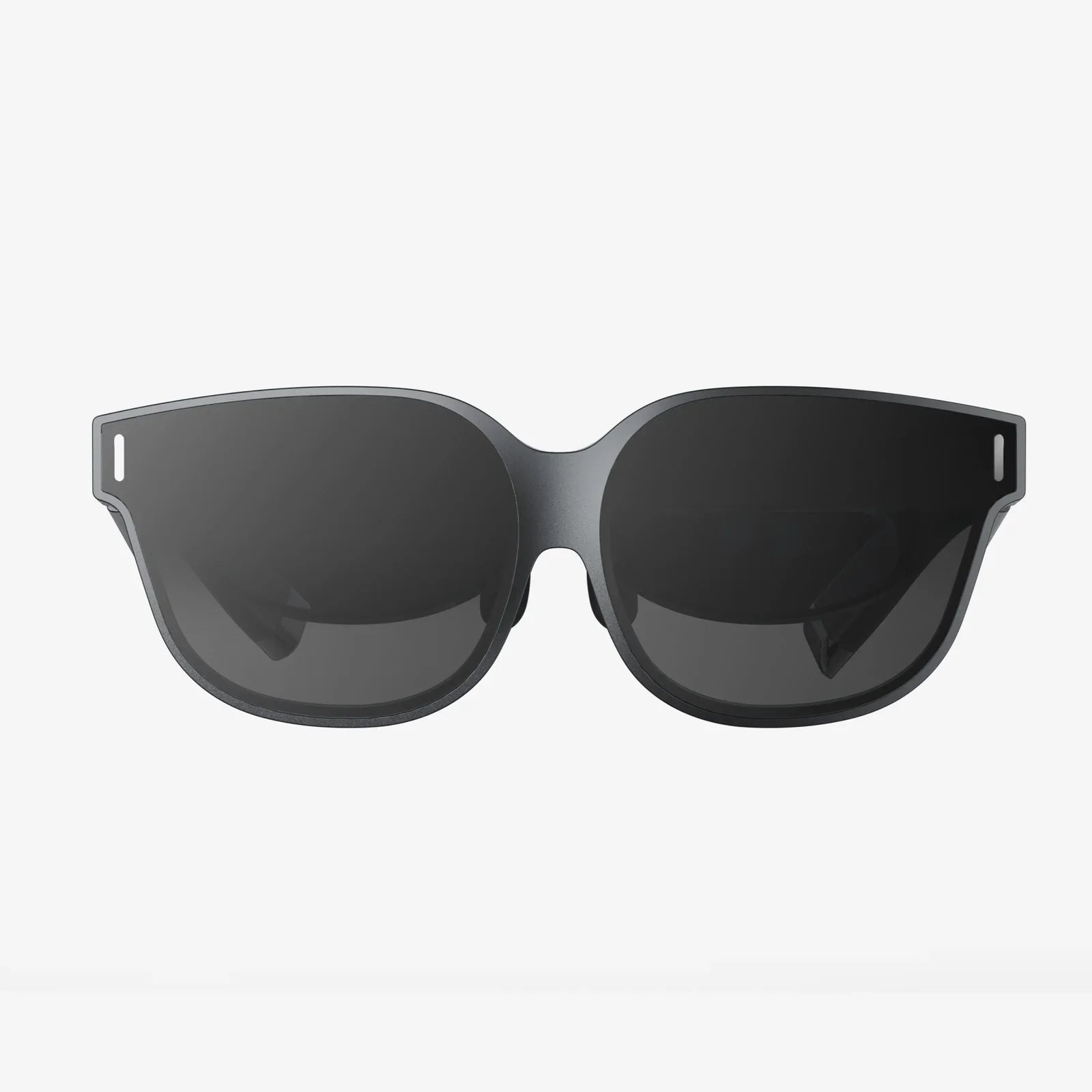
Imagine strapping a feather to your face instead of a brick. Imagine exploring digital worlds for hours on end without the nagging ache in your neck, the pressure on your cheeks, or the constant urge to adjust a cumbersome, front-heavy device. This isn't a distant dream for the future of virtual reality; it is the very present, driven by a singular, powerful pursuit: the creation of the lightest VR. This relentless drive towards minimal mass is not merely an incremental improvement—it is a fundamental revolution that is quietly dismantling the biggest barriers to immersion and unlocking VR's true potential for everyone.
The Tyranny of Weight: Why Every Gram Matters
For years, the virtual reality experience came with a physical cost. Early adopters and developers alike accepted a simple trade-off: unparalleled digital immersion in exchange for significant physical discomfort. Headsets were engineering marvels packed with high-resolution displays, complex lens arrays, and a suite of tracking sensors, but they were also heavy, unbalanced, and often described as "face-mounted dumbbells."
The negative impacts of this weight are profound and multi-faceted:
- Physical Fatigue: The human neck is not designed to support several hundred grams of forward-leaning weight for extended periods. This leads to muscle strain, neck pain, and upper back tension, severely limiting session times. A heavy headset is the fastest way to break immersion, constantly reminding the user of the physical hardware they are wearing.
- The "VR Face" Effect: To combat the front-heaviness, headsets required tight straps and rigid headbands, leaving deep red marks on the user's face after even short sessions. This was not just an aesthetic issue; it was a sign of excessive pressure and a significant deterrent for casual use.
- Accessibility Barrier: Heavy, uncomfortable hardware automatically excludes a vast portion of potential users. Those with pre-existing neck or back issues, younger audiences, or simply people averse to discomfort were effectively walled off from the VR ecosystem.
- Restricted Movement: In genres like fitness VR, rhythm games, or any active experience, a heavy headset becomes a dangerous liability. It jostles, bounces, and can even detach during vigorous movement, making full engagement impossible and potentially hazardous.
The quest for the lightest VR is, therefore, a direct assault on these foundational problems. It is a recognition that for VR to evolve from a niche enthusiast hobby to a universal computing platform, the hardware must fade into the background, both visually and physically.
The Engineering Alchemy: How Designers Are Shedding Grams
Creating a truly lightweight headset is a complex ballet of material science, optical innovation, and architectural redesign. It is far more challenging than simply making a device smaller; it requires a holistic re-imagining of every component.
1. Material Revolution: Beyond Plastic
The most obvious place to start is the structural shell of the headset. Engineers are moving away from standard plastics and embracing advanced, lightweight composites. Magnesium alloys, once reserved for high-end aerospace and automotive applications, are now being used for their incredible strength-to-weight ratio. Carbon fiber elements are being integrated into headbands and facial interfaces, offering rigidity without the mass. Even the humble strap has been re-engineered, with soft, breathable fabrics and flexible reinforced polymers replacing bulky rubber and rigid adjusters.
2. Optical Breakthroughs: Pancake Lenses
Perhaps the most significant leap in the pursuit of lightness has been the move to Pancake lenses. Traditional Fresnel lenses, used in most older headsets, require a significant distance between the display panel and the lens itself to achieve focus. This mandated a deeper, longer "box" on the front of the headset, increasing leverage and weight.
Pancake lenses use a fundamentally different principle: polarization folding. They bounce light multiple times within a compact lens assembly before reaching the eye. This allows the entire optical stack to be incredibly thin, slashing the depth—and by extension, the volume and weight—of the headset by up to 50%. This single innovation is arguably the most important driver behind the new generation of ultra-light devices.
3. Architectural Shift: Compute Separation
Another key strategy is the removal of heavy components from the headset itself. Standalone headsets traditionally housed the battery, a dense and weighty element, on the front of the device, exacerbating the balance issue. The latest designs are intelligently relocating the battery to the rear of the headstrap. This creates a counterweight effect, distributing mass evenly around the head and eliminating the face-down pressure that plagued earlier models.
Some experimental concepts take this even further by exploring full compute separation, where a small, lightweight receiver on the headset wirelessly connects to a processing unit in the user's pocket or on a nearby desk. This approach could theoretically reduce the headset to little more than a display and sensor array, pushing weights down to previously unimaginable levels.
The Ripple Effect: How Lightweight Design Transforms the Experience
The benefits of a lighter headset extend far beyond simple comfort. This shift creates a powerful ripple effect that enhances every aspect of virtual reality.
Unprecedented Immersion and Presence
Immersion, the holy grail of VR, is a fragile state. It can be shattered by a single glitch, a poorly rendered texture, or a loose cable. But the most common immersion breaker has always been physical discomfort. When the headset becomes light enough to forget, the magic of "presence"—the genuine feeling of being in another place—becomes exponentially easier to achieve and maintain. Users can focus entirely on the experience, not the hardware facilitating it.
The Mainstream Gateway
A comfortable, lightweight headset is an inviting headset. It's the difference between convincing a hesitant friend to "just try it for a few minutes" and them asking to "have another go" after their first hour-long session. By eliminating discomfort, the lightest VR headsets become the perfect gateway for new users, finally allowing the technology to cross the chasm into mainstream adoption for entertainment, social connection, and even productivity.
Fitness and Active Gaming Reborn
The fitness VR genre has exploded in popularity, but it was fundamentally hampered by hardware not designed for intense movement. A light, secure headset changes everything. It stays firmly in place during jumps, squats, and rapid head turns. It doesn't become a sweaty, sliding burden. This unlocks the full potential of VR as a legitimate workout tool, making it accessible and enjoyable for a health-conscious audience.
The Professional and Enterprise Arena
In professional settings—from architects visualizing buildings to surgeons planning complex procedures—extended use is a requirement. A heavy headset is a non-starter for an eight-hour workday. Lightweight, ergonomic design makes enterprise adoption viable, opening up massive new markets and use cases for VR beyond gaming.
The Future is Weightless: What Comes Next?
The pursuit of the lightest VR is far from over. We are on a trajectory that will see headsets continue to shrink in weight and size, approaching the form factor and comfort of a pair of sunglasses. This will be driven by several emerging technologies:
- Micro-LED Displays: These promise incredibly high brightness and resolution in a microscopic form factor, drastically reducing the size and power requirements of display panels.
- Holographic Optics: The next wave beyond Pancake lenses, these waveguides could further collapse the optical path, making the visual system virtually flat.
- Advanced Materials: The integration of graphene and other nano-materials could lead to structures that are simultaneously stronger, lighter, and able to integrate functionality like transparent electrodes for built-in eye tracking.
This evolution will culminate in devices that are always-on, always-with-you, blending digital augmentation with our physical reality seamlessly. The goal is not just to create the lightest VR headset, but to create a device so comfortable and unobtrusive that it ceases to be a "headset" at all and becomes a standard piece of personal technology.
The race to build the lightest VR is much more than a spec sheet competition. It is the central narrative in the maturation of virtual reality. By prioritizing the human element—our comfort, our anatomy, our natural behavior—engineers and designers are finally building a bridge between the breathtaking potential of digital worlds and the physical reality of our bodies. They are crafting a future where we are unshackled, where the only weight we feel is the emotional gravity of the experiences within. The revolution isn't just visible; it's feelable, and it's lighter than ever before.
Share:
Best Standalone AR Headsets No PC Tethering 2025: The Ultimate Guide to a Wireless Future
3D Hologram Monitor: The Future of Visual Interaction is Here