


Imagine a world where your morning alarm isn't a jarring sound, but a gentle, light-based simulation of a sunrise on your smart contact lenses, paired with a soft vibration from your biosensing ring that monitors your sleep cycles to wake you at the optimal moment. Your shirt analyzes your sweat to recommend hydration and electrolyte intake after your run, while your smart glasses overlay navigation and meeting reminders onto your field of vision as you commute. This isn't a distant sci-fi fantasy; it is the imminent future promised by the next generation of wearable technology. The era of 'more wearable tech' is dawning, and it signifies a fundamental shift from devices we wear to an environment of intelligence we inhabit—a seamless, intuitive, and profoundly personal digital layer integrated into the very fabric of our daily lives.
Beyond the Wrist: The Expansion of the Wearable Ecosystem
For the past decade, the wearable technology market has been synonymous with wrist-worn devices. These gadgets revolutionized personal health and connectivity, providing unprecedented access to data about our bodies and our world. However, the concept of 'more wearable tech' is about moving beyond this single form factor. The future is a diverse ecosystem of interconnected devices, each designed for a specific purpose, context, and level of discreteness.
The driving force behind this expansion is the miniaturization of sensors and processors, coupled with advancements in battery technology and low-power connectivity protocols like Bluetooth Low Energy and ultra-wideband. These technological leaps allow powerful computational capabilities to be packed into forms that are increasingly unobtrusive. We are seeing the emergence of intelligent eyewear, smart rings, hearables with integrated biometrics, sensor-laden clothing and footwear, and even temporary electronic skin patches. This proliferation means that continuous, context-aware monitoring is becoming possible without a single, dominant device vying for our attention. The tech fades into the background, becoming truly wearable in the most literal sense.
The Seamless Integration: When Technology Disappears
The ultimate goal of 'more wearable tech' is not to add more screens to our lives, but to make the technology itself invisible. This philosophy of 'calm technology' or 'ambient intelligence' aims to reduce the cognitive load required to interact with our devices. Instead of constantly glancing at a screen, information is delivered through subtle haptic feedback, ambient light, or low-interruption audio cues.
Smart fabrics and woven sensors represent the pinnacle of this integration. Companies and research institutions are developing textiles capable of monitoring heart rate, respiration, muscle activity, and even UV exposure. A sports bra can provide precise cardio data without a chest strap; socks can analyze running gait and pressure distribution; and work uniforms for firefighters or construction workers can monitor vital signs for signs of heat stress or fatigue, sending alerts to the individual and their team. This seamless integration means health and environmental monitoring becomes a passive, continuous process, woven into the very acts of getting dressed and moving through the world.
The Health Revolution: From Reactive to Proactive and Predictive Care
Perhaps the most significant impact of more wearable tech will be in the realm of healthcare. Current wearables are excellent at tracking general wellness metrics like step count and average heart rate. The next generation aims for clinical-grade, continuous monitoring that can transform medicine from a reactive practice to a proactive and predictive one.
Future devices are focusing on a new wave of biomarkers. Advanced optical sensors are working towards non-invasive and continuous blood glucose monitoring, a holy grail for diabetes management. Sensors that measure blood pressure, blood oxygen saturation (SpO2), and even hydration levels are becoming more accurate and miniaturized. The combination of data from multiple devices—a ring tracking sleep, a patch monitoring blood sugar, and an earable measuring core body temperature—can create a holistic digital twin of an individual's physiology.
This rich, multimodal data stream, analyzed by sophisticated algorithms, can identify subtle deviations from personal baselines that may indicate the onset of illness, such as a common cold or flu, or more serious conditions like atrial fibrillation or sleep apnea. It can provide personalized insights, suggesting dietary adjustments, warning of potential overtraining, or reminding a user to meditate based on detected stress levels. For the elderly, these technologies can enable independent living for longer, with systems that can detect falls, monitor medication adherence, and alert caregivers to concerning changes in activity patterns.
Contextual and Ambient Intelligence: The Augmented Human Experience
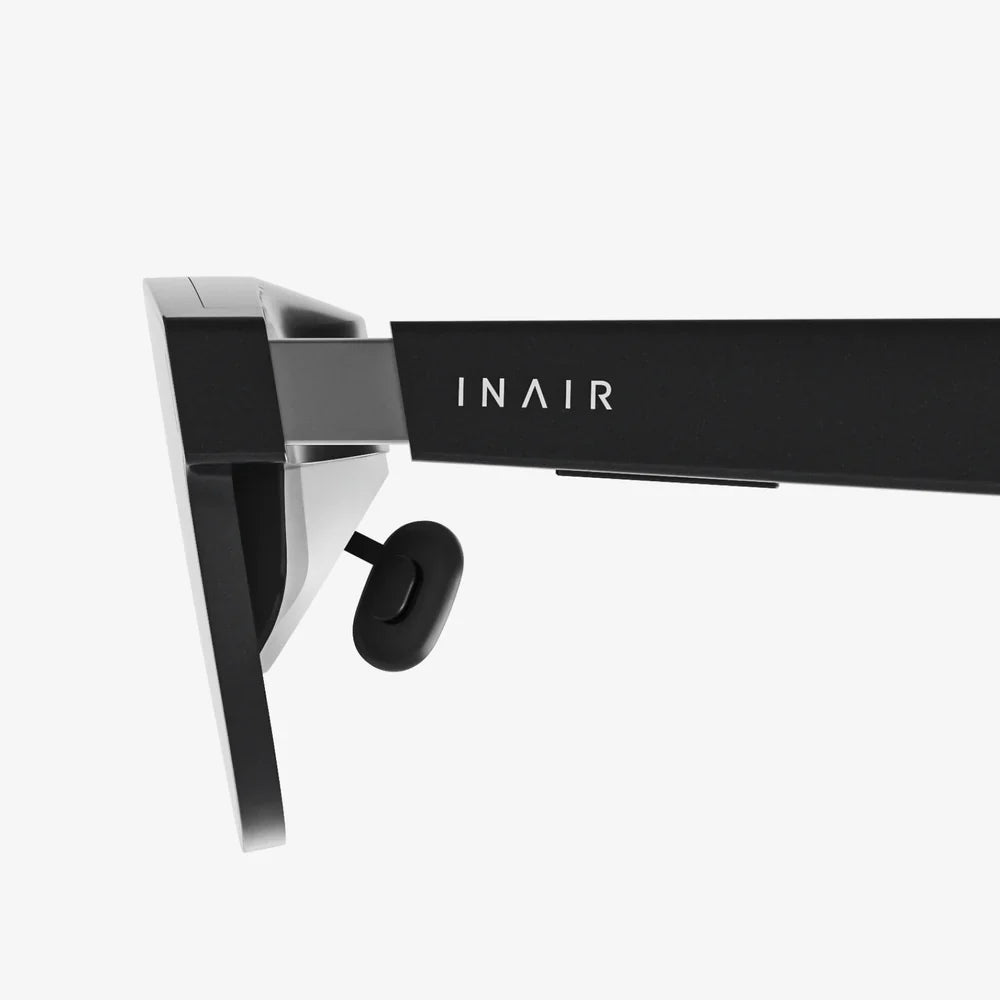
More wearable tech will move beyond health to enhance our perception and interaction with the world around us. This is the domain of augmented reality (AR) and spatial computing. While current AR is often experienced through smartphone screens or bulky headsets, the future lies in sleek, socially acceptable smart glasses and eventually, smart contact lenses.
These devices will overlay digital information onto our physical reality, providing contextual and relevant data exactly when and where we need it. A technician repairing complex machinery could see schematics and instructions superimposed on the equipment. A tourist could see historical information about a landmark simply by looking at it. During a conversation, your glasses could provide a subtle reminder of the person's name and last meeting topic. This ambient intelligence acts as a cognitive prosthesis, enhancing memory, providing real-time guidance, and freeing up mental bandwidth for higher-level thinking and creativity.
The Invisible Infrastructure: Power, Processing, and Privacy
The vision of a seamlessly connected wearable ecosystem rests on solving several critical challenges. The most persistent is power. How do we keep dozens of tiny, always-on devices running throughout the day? Innovation is happening on multiple fronts: ultra-low-power chipsets, energy harvesting from body heat, movement (kinetic energy), and ambient light, and the development of new battery chemistries with higher energy density. The goal is to achieve 'set-and-forget' devices that require charging monthly or even never.
Processing this deluge of data also presents a challenge. On-device edge computing and machine learning will be crucial. Instead of streaming raw data to the cloud for analysis, the devices themselves will pre-process information, extracting only the relevant insights and trends. This not only conserves battery and bandwidth but also enhances user privacy by keeping sensitive raw biometric data on the personal device.
The Ethical Imperative: Navigating Privacy, Security, and Equity
The proliferation of more wearable tech raises profound ethical questions that society must urgently address. These devices will generate the most intimate dataset ever assembled on human beings: a continuous, multimodal log of our location, physiology, behavior, social interactions, and even our emotional states.
Who owns this data? How is it used? Could it be sold to third parties, used for insurance premium calculations, or accessed by law enforcement? The potential for surveillance and discrimination is immense. Robust legal frameworks, akin to medical privacy laws, must be developed to govern biometric data ownership and usage. Furthermore, these devices must be built with 'privacy by design' principles, incorporating strong encryption and giving users transparent control over their information.
There is also a significant risk of a 'digital divide' in health and augmentation. If the most advanced predictive health monitoring and cognitive augmentation tools are only available to the wealthy, it could exacerbate existing social and health inequalities. Ensuring equitable access to the benefits of this technology will be a critical challenge for policymakers and healthcare systems.
The Human Element: Redefining Connection in a Worn World
As technology becomes more integrated into our lives, we must consciously reflect on what it means to be human. Will constant health monitoring lead to hypochondria or a hyper-optimized, joyless existence? Will ambient information displays enhance our reality or distract us from it? The design of these systems must prioritize human well-being over mere data collection.
The most successful applications of more wearable tech will be those that empower us without controlling us, that provide insights without creating anxiety, and that connect us more deeply to the physical world and the people around us, rather than isolating us in a digital bubble. The technology should serve to augment human intuition and connection, not replace it. The goal is not to create cyborgs, but to create tools that help us live healthier, safer, more efficient, and more fulfilling lives on our own terms.
The next wave of wearables won't be about checking another notification on your wrist; it will be about living a life uninterrupted by technology, yet profoundly enhanced by its silent, seamless presence. The promise of a world where your environment understands you, anticipates your needs, and safeguards your well-being is no longer a futuristic concept—it's the next chapter in our relationship with technology, and it's being written on our skin, in our clothes, and before our eyes.
Share:
Why Augmented Reality Glasses Are the Next Fundamental Shift in Human-Computer Interaction
VR Gaming 2025: The Immersive Revolution You Won't Believe