


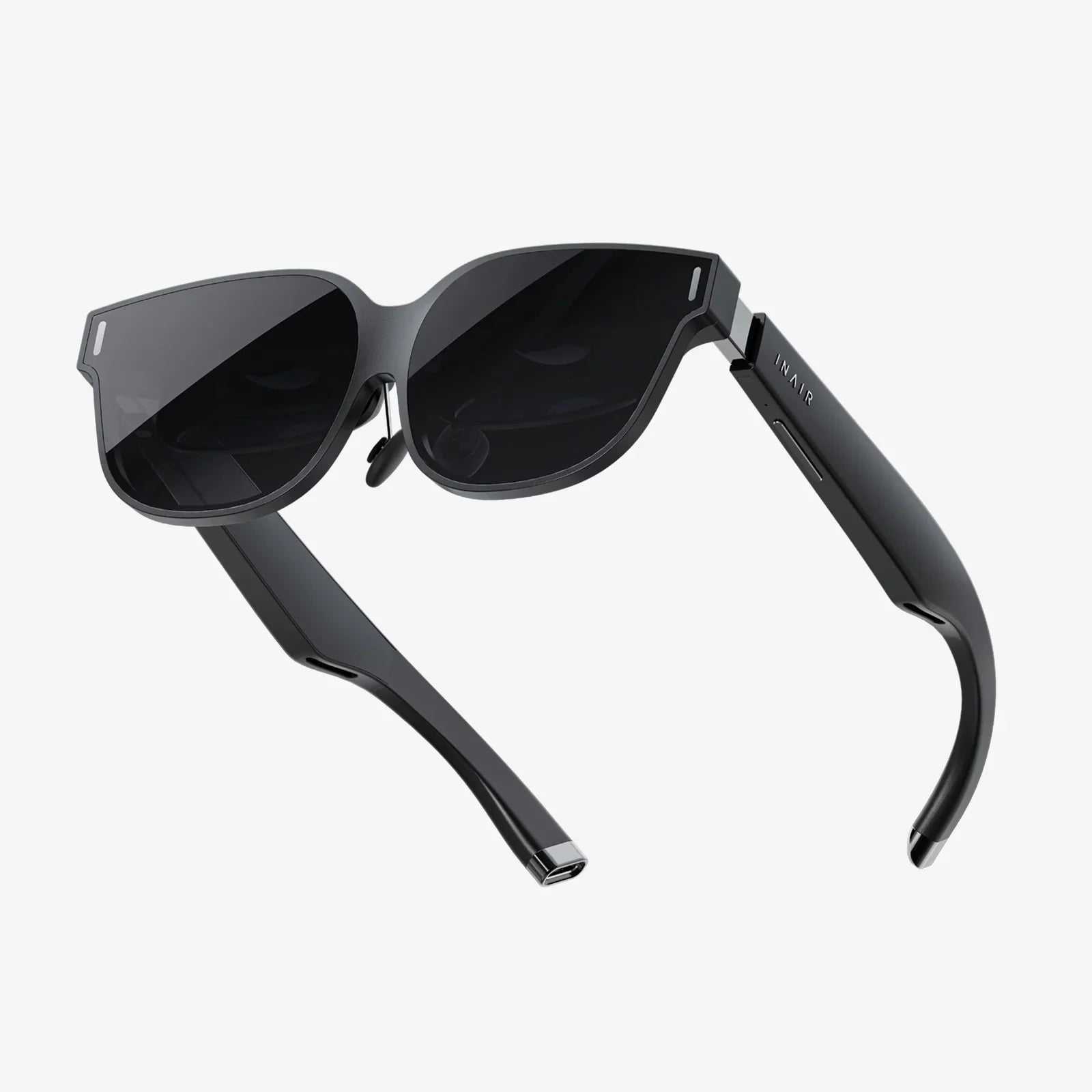
Imagine slipping on a visor and stepping into a reality so crisp, so immersive, that the line between the digital and the physical utterly dissolves; this is the promise, and the staggering price tag, of the world's most expensive VR headsets. For the average consumer, the cost is a jaw-dropping figure, a barrier to entry that seems almost ludicrous. But behind that formidable number lies a fascinating world of bleeding-edge technology, specialized industrial applications, and a relentless pursuit of perfection that redefines what is possible in virtual realms. This isn't just about playing games; it's about building worlds, training surgeons, designing cities, and creating art that transcends physical limitation. The question isn't just "why does it cost so much?" but rather "what are you actually buying for that fortune?"
The Anatomy of an Astronomical Price Tag
To understand the most expensive VR headset price, one must first dissect the components that contribute to its cost. This is not a simple case of markup or luxury branding; it is a fundamental consequence of pushing technological boundaries to their absolute limit.
Display Technology Beyond Consumer Grade: Where mainstream headsets might offer high-resolution displays, the most expensive systems employ dual micro-OLED or mini-LED screens, often custom-manufactured, that deliver an unparalleled pixel-per-degree density. This eliminates the "screen door effect" entirely, creating a visual fidelity that is indistinguishable from real life. The cost of developing, prototyping, and producing these specialized panels in relatively low volumes is exponentially higher than the mass-produced LCDs found in consumer devices.
Precision Tracking and Haptics: The entry into virtual space must be flawless. Premium systems utilize inside-out tracking with a multitude of high-fidelity cameras and sensors, often coupled with external lighthouse-style base stations for millimeter-accurate positional data. This extends beyond the head to full-body tracking with specialized suits and gloves that provide force feedback and nuanced haptic sensations, from the feeling of texture to the resistance of a virtual object. Each of these specialized peripherals adds thousands to the total system cost.
Computational Power and Integration: Processing the immense data from these sensors and rendering two photorealistic 8K displays at high refresh rates requires computational power far beyond a standard gaming computer. Some ultra-high-end systems are sold as integrated units, with incredibly powerful, custom-built workstations designed specifically to eliminate any latency or bottleneck, ensuring a perfectly smooth and immersive experience. This bundling of a supercomputer-grade GPU and CPU setup is a significant driver of the final price.
Beyond Entertainment: The Professional Ecosystem
The target market for these headsets is perhaps the most critical factor in understanding their price. They are not designed for the living room but for the boardroom, the laboratory, the operating theater, and the design studio.
Enterprise and Medical Applications: In fields like automotive design and architecture, companies utilize these headsets for virtual prototyping. Building a physical prototype of a new car can cost millions of dollars and take months. A high-fidelity VR system allows engineers and designers from around the world to collaborate in a 1:1 scale model of the vehicle, making changes in real-time. The cost of the headset is a rounding error compared to the savings in development time and physical materials. Similarly, in medicine, surgeons use them to practice complex procedures on detailed anatomical models, and therapists use them for exposure therapy in controlled, immersive environments. The value proposition here is not entertainment but risk mitigation, training efficacy, and revolutionary innovation.
Research and Development: Academic and corporate R&D labs are another key demographic. Whether it's for studying human behavior in simulated environments, developing new human-computer interaction paradigms, or visualizing complex scientific data, these headsets are essential scientific instruments. Their cost is factored into multi-million dollar research grants, justified by the unique data and breakthroughs they can facilitate.
Content Creation for the Metaverse: As the concept of a persistent, interconnected virtual world evolves, the tools to build within it must be equally advanced. The creators of high-value virtual assets—be it for virtual production in film, complex simulation training, or detailed virtual real estate—require the best possible tools to see their work as it was intended. For them, the headset is a professional-grade monitor, a critical piece of their creative workflow.
The Economics of Low-Volume, High-Value Manufacturing
The principles of supply and demand are starkly different in this rarefied segment of the market. Consumer VR headsets are manufactured in the millions, leveraging economies of scale to drive down the cost of individual components. The most expensive headsets, by contrast, are produced in runs of thousands, or even hundreds. Every component, from the custom lenses to the specialized internal circuitry, is more expensive to source and assemble. The extensive research, development, and calibration that goes into each unit is amortized over a tiny number of sales, making the per-unit cost incredibly high. This isn't a product built on a mainstream assembly line; it's often hand-assembled, calibrated, and rigorously quality-controlled by highly skilled technicians.
A Glimpse at the Pinnacle: What the Money Buys
While we avoid specific brands, the features common to systems commanding the most expensive VR headset price paint a picture of ultimate performance. We are talking about systems that offer:
- Eye-tracking with foveated rendering: This technology tracks the user's gaze and renders the area they are directly looking at in ultra-high resolution while subtly reducing the detail in their peripheral vision. This massively reduces the computational load without the user ever perceiving a difference, allowing for previously impossible graphical fidelity.
- Unmatched Field of View (FoV): Pushing beyond the standard 110 degrees to接近 200 degrees or more, these headsets envelop the entire human field of vision, dramatically increasing immersion and reducing the sensation of looking through a pair of goggles.
- Mixed Reality Capabilities: High-resolution, high-speed cameras pass through a view of the real world, seamlessly blending it with digital objects. This isn't a grainy video feed; it's a photorealistic blend that allows professionals to interact with virtual models placed perfectly within their physical workspace.
- Professional Software and Support: The purchase price includes enterprise-level support, custom software integration, and warranties that ensure maximum uptime for critical business operations.
Is It Worth It? The Value Proposition
For a hardcore enthusiast, the value is subjective. It represents the absolute zenith of the VR experience, a no-compromise portal into virtual worlds. However, the law of diminishing returns is strongly at play. The leap from a mid-range to a high-end consumer headset is dramatic; the leap from a high-end consumer headset to a professional one is more about refinement, precision, and specific professional features than a night-and-day difference for gaming alone.
The true worth is unlocked in enterprise. When a headset becomes a tool that saves a corporation millions, trains a professional to save lives, or enables a scientific discovery, its price is not just justified—it's an investment. It's the difference between a standard toolbox and a master craftsman's set of bespoke, precision instruments.
The Future of Cost and Accessibility
The technology that defines today's most expensive headsets is invariably the precursor to tomorrow's consumer devices. Eye-tracking, varifocal displays, and mini-OLED screens were once the sole domain of prototypes and six-figure systems. Now, they are trickling down into more accessible hardware. The relentless march of technological progress ensures that the breathtaking immersion reserved for the few today will become the standard for the many in the years to come. The most expensive VR headset price today is a snapshot of the future, a proving ground for the technologies that will eventually redefine our digital lives.
So, the next time you see a headline proclaiming a VR headset with a price tag higher than a luxury car, look beyond the shock value. You're not just looking at a piece of hardware; you're looking at a concentrated dose of the future, a specialized key unlocking new realities for industry, science, and art. It’s a testament to human ingenuity and a preview of the immersive experiences that will one day be commonplace, all contained within a visor that costs more than most people’s entire computing setup—for now.
Share:
What Can I Do With a VR Headset? An Expansive Guide to Virtual Possibilities
A Good Explanation for Augmented Reality: Bridging Our Digital and Physical Worlds