


- by wangfred
Next VR Goggles: The Future of Immersive Experience is Closer Than You Think
- by wangfred
Imagine slipping on a pair of spectacles, no bulkier than your everyday sunglasses, and being instantly transported to a front-row seat at a concert happening across the globe, a meticulously recreated ancient Roman forum, or a collaborative design session with colleagues who appear as lifelike holograms. This isn't a distant sci-fi fantasy; it's the imminent reality promised by the next VR goggles. The cumbersome, tethered, and isolating headsets of today are rapidly giving way to a new era of wearable computing that will seamlessly blend the digital and physical worlds, fundamentally altering our perception of presence, connection, and reality itself. The revolution is not just coming; it's being built in labs and startups right now, and it will change everything.
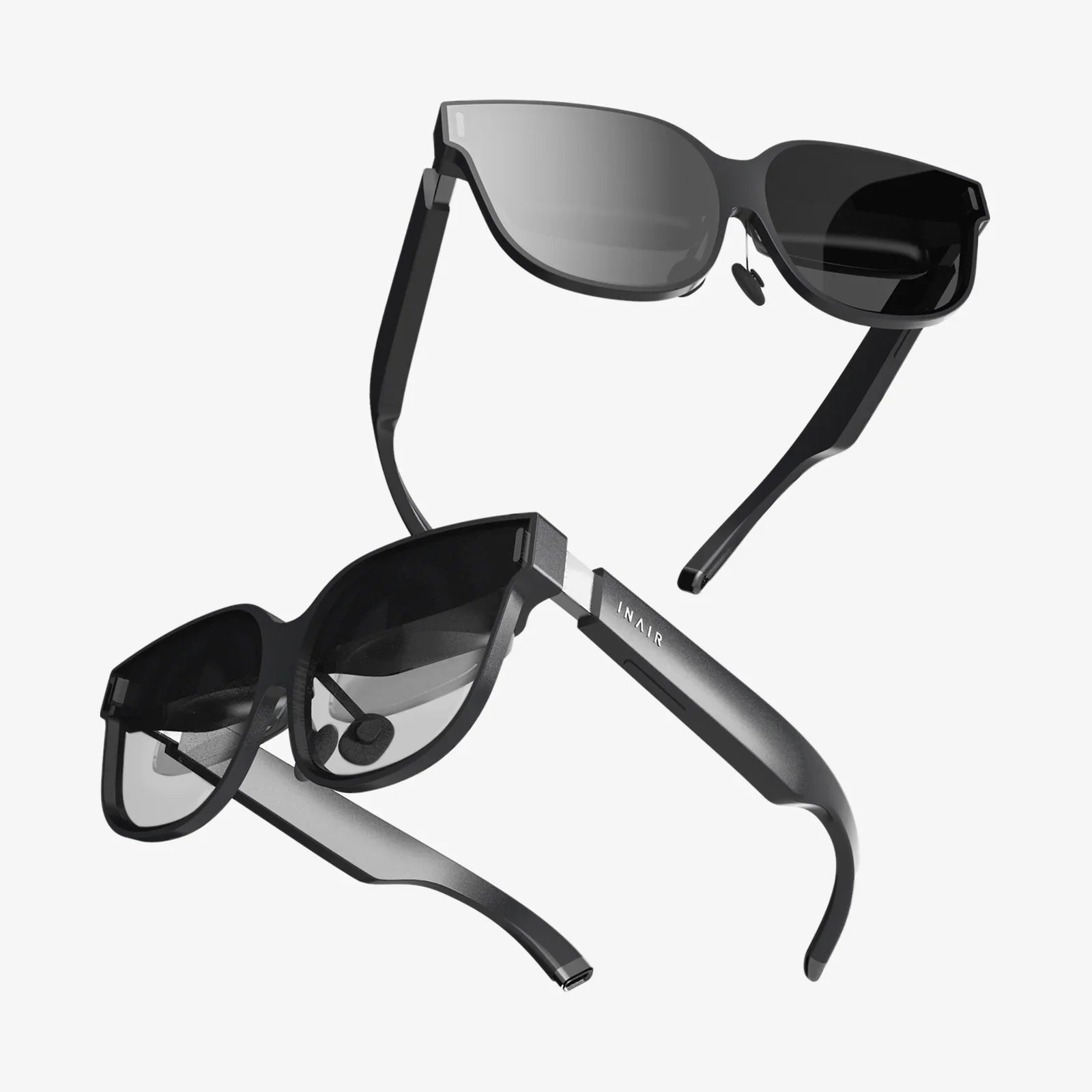
The most immediate and noticeable evolution in next VR goggles will be their physical design. The current generation, often criticized for being heavy, front-heavy, and isolating, will undergo a radical slimming down. The goal is to achieve a form factor akin to sleek swimming goggles or even large-lens sunglasses.
This dramatic reduction in size and weight will be powered by several key innovations:
Visual immersion is the cornerstone of VR, and the next generation will deliver a leap in quality that will finally cross the threshold into true believability. We are moving beyond simple resolution increases to a more holistic visual experience.
The future of immersive technology isn't just about escaping reality; it's about augmenting it. Next VR goggles will be, first and foremost, powerful mixed reality (MR) devices. High-fidelity, color-accurate video passthrough will be standard, using advanced sensors and cameras to digitize the real world in real-time.
This capability unlocks a universe of applications:
Clunky controllers are another barrier to mass adoption. The next generation of input will be increasingly natural and eventually, invisible.
The ultimate promise of VR is shared presence—the feeling of truly being with someone else, regardless of physical distance. Next VR goggles will crack the code on social connection through hyper-realistic avatars.
Using the combined data from internal cameras, eye-tracking, and hand-tracking, these devices will drive avatars that are not just cartoonish representations but nuanced digital twins. They will capture and replicate your exact facial expressions, lip movements, eye gazes, and body language in real-time. A subtle smirk, a raised eyebrow, a shift in posture—all the non-verbal cues that form the bedrock of human communication will be transmitted faithfully, making conversations in virtual spaces feel as natural and emotionally resonant as those in person. This will redefine remote work, online education, and simply hanging out with friends and family across the miles.
For all the promise, significant challenges remain. Battery life for such powerful, compact devices is a constant battle. Processing the immense data from multiple high-resolution cameras and sensors requires immense, efficient computing power. And perhaps the most significant hurdle is creating content and applications that justify the investment for the average consumer. The industry must move beyond tech demos and games to create truly indispensable tools for productivity, health, and social connection. Furthermore, questions of privacy, data security, and the long-term psychological effects of pervasive virtual immersion are societal conversations that must happen in parallel with the technology's development.
The journey from the clunky prototypes of yesterday to the sleek, powerful next VR goggles is a testament to relentless innovation. We are standing at the precipice of a new platform shift, one that will redefine human interaction with technology. These devices will cease to be niche gadgets for enthusiasts and become integral tools for how we learn, work, create, and connect. They will offer us new eyes to see our world, and entirely new worlds to see. The gateway to these experiences is being forged now, and it's thinner, lighter, and more intelligent than anyone could have imagined just a few years ago. Prepare to see reality, and everything beyond it, in a whole new light.