


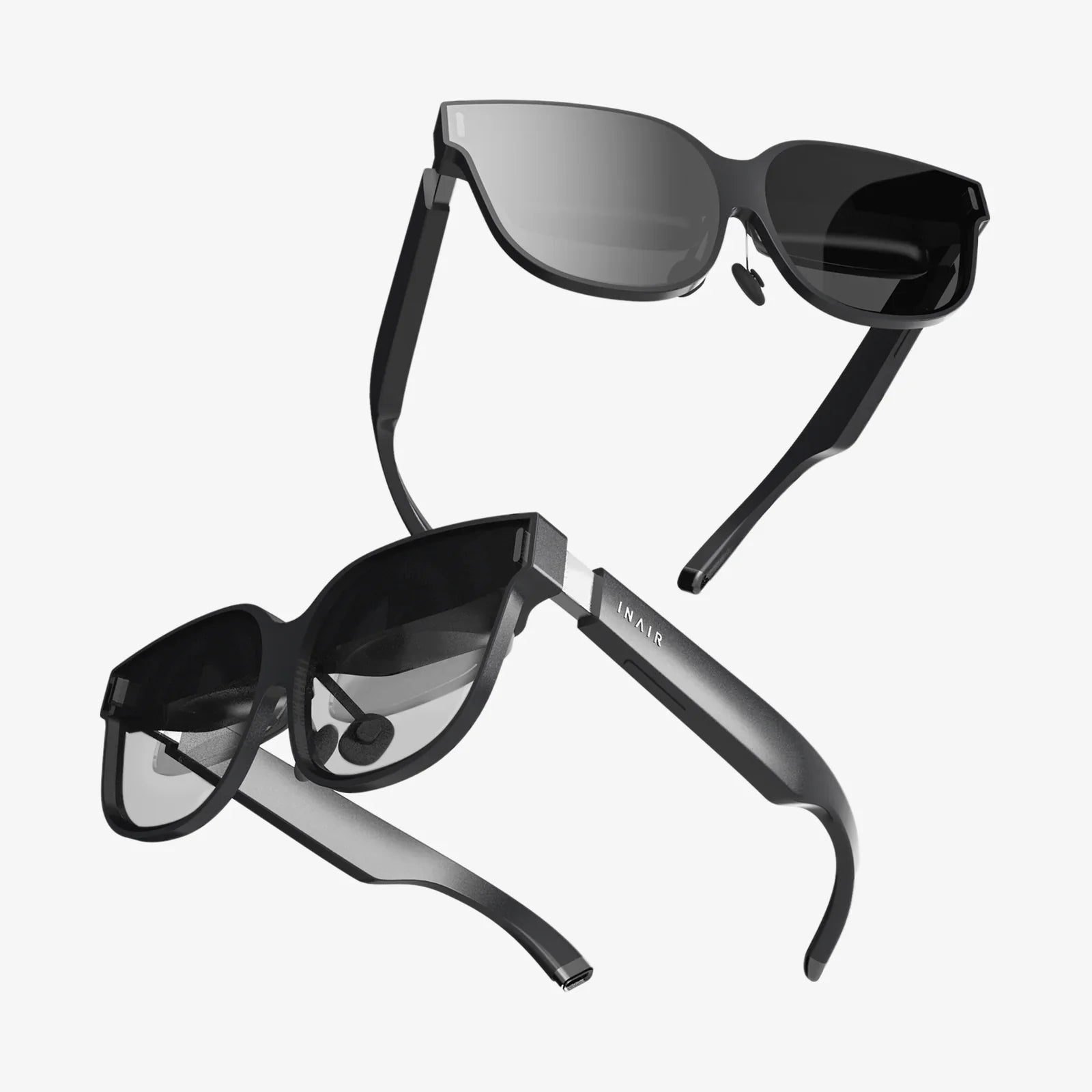
Imagine a world where you can perform intricate heart surgery from across the globe, walk with dinosaurs, or sit face-to-face with a loved one who is thousands of miles away—all without leaving your room. This is the breathtaking promise of virtual reality, a technology that has catapulted from the pages of science fiction into our living rooms. But as we eagerly don our headsets and step into these boundless digital realms, a critical question emerges: are we building a utopia of limitless experience or constructing a gilded cage that detaches us from the tangible world around us? The journey into VR is not a simple tale of technological triumph; it is a complex narrative filled with dazzling potential and sobering pitfalls, a story we must fully understand before we write our future within it.
The Unparalleled Positives: A Revolution in Experience
The advantages of virtual reality are not merely incremental improvements on existing technologies; they represent a fundamental shift in how we interact with information, each other, and our own capabilities. Its positives span a vast spectrum of human activity, offering transformative potential.
Revolutionizing Education and Training
Perhaps the most profound application of VR lies in education. Traditional learning methods often struggle with engagement and knowledge retention. VR shatters these limitations by transforming passive learning into active, immersive experiences. Instead of reading about ancient Rome, students can walk through a meticulously reconstructed Roman Forum, hearing the sounds and seeing the scale of the architecture. Medical students can practice complex surgical procedures on virtual patients, making critical mistakes without real-world consequences. This "learning by doing" in a risk-free environment accelerates skill acquisition and builds muscle memory and confidence in a way textbooks and videos never could. From mechanics training on virtual engines to firefighters simulating dangerous blaze scenarios, VR is creating a new, profoundly effective paradigm for professional training.
Transforming Healthcare and Therapy
The healthcare sector is witnessing a revolution powered by virtual reality. It has become a powerful tool for exposure therapy, helping patients with phobias, anxiety, and PTSD confront and manage their triggers in a controlled, safe setting. A patient with a fear of heights can gradually experience standing on a virtual skyscraper ledge, while a veteran with PTSD can process trauma through tailored scenarios guided by a therapist. Beyond mental health, VR is used for physical rehabilitation, turning painful and repetitive exercises into engaging games that motivate patients to complete their therapy regimens. Surgeons also use VR to plan complex operations, navigating 3D models of a patient's specific anatomy before making a single incision, thereby increasing precision and improving outcomes.
Expanding Social Connection and Empathy
In an increasingly globalized yet physically disconnected world, VR offers a powerful antidote to loneliness. Social VR platforms allow people to meet, interact, and share experiences as lifelike avatars, conveying body language and tone of voice in a way that flat video calls cannot. Families separated by oceans can feel like they are sitting together in a virtual living room, watching a movie or playing a game. More importantly, VR has a unique capacity to foster empathy. Projects that allow users to "step into the shoes" of someone else—experiencing the world as a refugee, a person with a disability, or someone from a different background—can break down barriers and build understanding on a visceral level that documentaries and articles struggle to achieve.
Unlocking New Frontiers in Entertainment and Design
The entertainment value of VR is obvious, but its impact goes beyond immersive video games. It offers entirely new forms of storytelling where the audience is not a passive viewer but an active participant within the narrative. Architects and interior designers can walk clients through unbuilt structures, allowing for changes before construction begins. Artists are using VR as a new medium, creating 3D sculptures and paintings in a limitless digital space. For the travel industry, it provides virtual tours of distant locations, making bucket-list destinations accessible to those who are physically or financially unable to make the journey.
The Daunting Negatives: The Hidden Costs of Immersion
For all its promise, virtual reality is not without significant drawbacks. These challenges are not mere technical hiccups but fundamental concerns that touch upon our health, psychology, and the very fabric of society.
Physical and Psychological Health Concerns
The most immediate negative effects of VR are physical. VR-induced nausea, often called "cybersickness," is a common problem caused by a disconnect between what the eyes see (movement) and what the vestibular system in the ears feels (stillness). Prolonged use can lead to eye strain, headaches, and blurred vision. More concerning are the potential long-term effects on brain development in children, which are not yet fully understood. Psychologically, immersion in hyper-stimulating virtual worlds can make reality seem bland by comparison, leading to a phenomenon known as "VR dissociation" or a sense of unhappiness with the real world. This can fuel escapism, where individuals prefer their virtual life to their actual one, potentially neglecting real-world relationships, responsibilities, and their own physical well-being.
Privacy and Data Security Risks
VR headsets are arguably the most intimate data-collection devices ever created. They don't just track what you look at; they track how you look at it—recording precise eye movements, pupil dilation, body gestures, vocal inflections, and even biometric responses. This data is a goldmine for advertisers and a grave threat to personal privacy. The potential for manipulation is staggering: imagine an ad that changes based on your subconscious eye movements or a political message tailored to your observed emotional state. The risk of this deeply personal data being hacked, sold, or used for malicious manipulation represents one of the darkest clouds on VR's horizon.
Social Isolation and the Erosion of Reality
Paradoxically, a technology praised for its social potential could also exacerbate social isolation. If individuals retreat into compelling virtual worlds, they may withdraw from physical social interactions, leading to increased loneliness and a weakening of community bonds. Furthermore, the ability to create and experience any reality poses a threat to our shared sense of truth. As VR experiences become more photorealistic and immersive, the line between virtual and actual events could blur, making it easier to spread misinformation and harder to establish a common factual foundation for society. The concept of "deepfakes" could evolve into "deep experiences," where people are convinced they witnessed an event that never truly occurred.
Economic and Accessibility Barriers
High-quality VR requires significant investment—not just for the headset but also for the powerful computing hardware to run it. This creates a substantial economic barrier to entry, risking a "digital divide" where only the wealthy have access to the transformative benefits of VR, thereby widening existing social and educational inequalities. Furthermore, VR is largely inaccessible to individuals with certain disabilities, such as visual impairments or mobility issues that prevent them from using motion controllers. If not designed with inclusivity as a core principle, the VR revolution could leave large segments of the population behind.
Navigating the Future: A Call for Balanced Innovation
The path forward with virtual reality is not to reject it outright out of fear, nor to embrace it blindly with unbridled optimism. The answer lies in mindful adoption, robust regulation, and continuous research. Developers must prioritize user health by implementing better comfort settings and enforcing time limits. Policymakers must create stringent data privacy laws specifically tailored to the unique threats posed by biometric data collection in VR. The industry must also commit to accessibility, ensuring these new worlds are open to everyone. As users, we must be conscious consumers, aware of both the magic and the manipulation, and strive to balance our digital explorations with our physical lives.
The door to impossible worlds is now open, offering a glimpse into a future limited only by our imagination. Yet, the weight of the headset is a constant reminder that this technology is a tool, not a destination. Its ultimate value won't be measured in polygons or frame rates, but in how it enhances our human experience without diminishing our humanity. The most compelling reality we can build is one where the virtual and the actual coexist in harmony, each making the other richer, more meaningful, and more profoundly real. The power to ensure that future doesn't lie in the code of the simulation, but in our hands as we decide when to log in, and, more importantly, when to take the headset off.
Share:
What Is Virtual Reality Short Answer: A Deep Dive Into The Digital Universe
Current Trends in Virtual Reality 2025: The Dawn of a Hyper-Realistic and Interconnected Era