


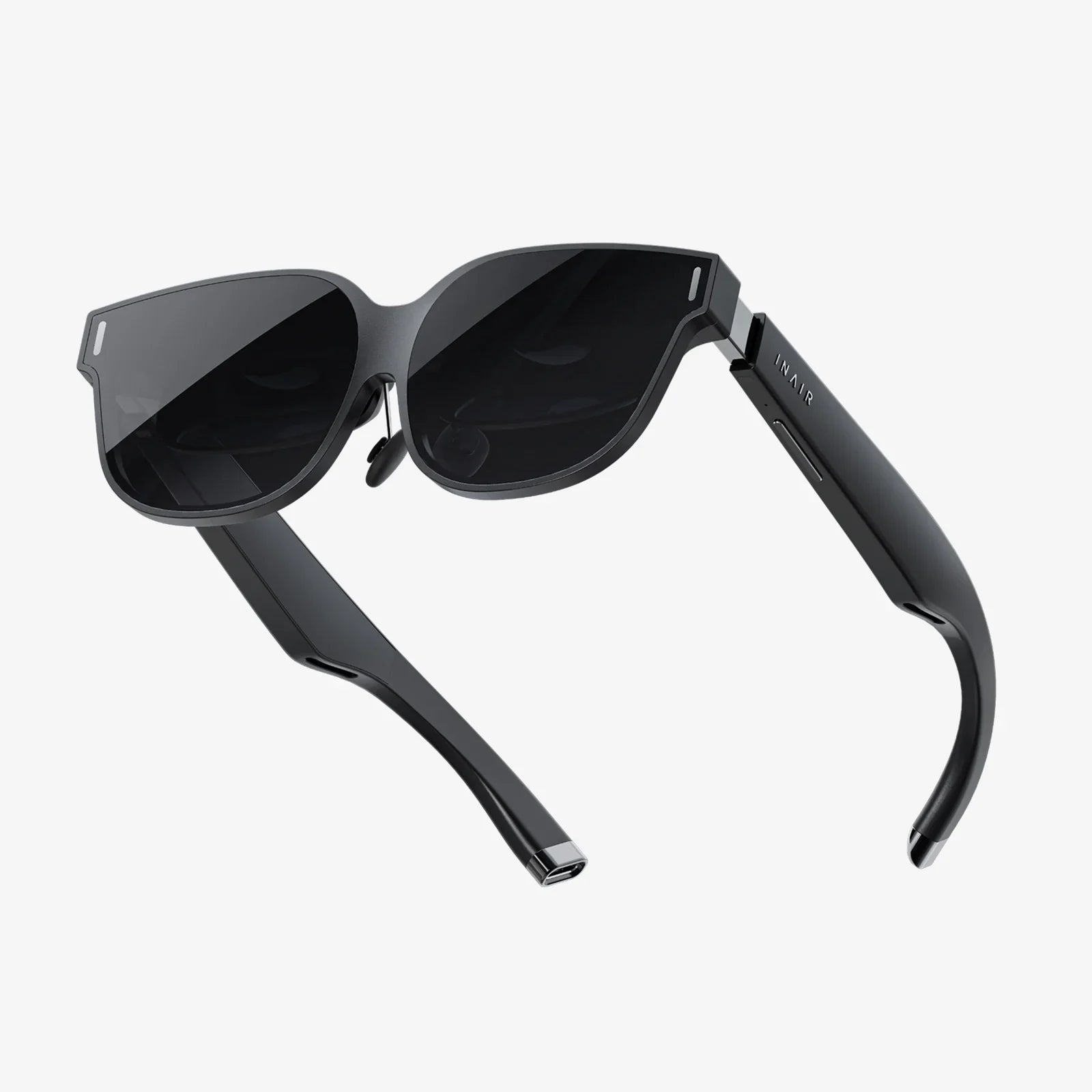
The quiet hum of your home is a symphony of intelligence. The thermostat adjusting the temperature, the lights anticipating your evening routine, the speaker ready to play your favorite podcast—all these moments are the culmination of a complex and fascinating journey known as smart device development. This field is no longer a niche corner of the tech world; it is the very fabric of a rapidly digitizing society, weaving together hardware, software, and data to create experiences that are increasingly seamless, intuitive, and powerful. The revolution is here, and it is being built one connected device at a time.
The Genesis and Evolution of a Connected World
The concept of a "smart" device is not as new as one might think. Its roots can be traced back to the first microcontrollers and embedded systems, which began giving ordinary objects a sliver of computational power decades ago. However, the paradigm truly shifted with the confluence of three critical technological advancements: the miniaturization and cost reduction of processing power, the proliferation of high-speed wireless connectivity like Wi-Fi and Bluetooth, and the advent of ubiquitous cloud computing. This trifecta transformed isolated gadgets into nodes in a vast, intelligent network.
Early iterations were often clunky, proprietary, and offered limited functionality. Today, smart device development has matured into a sophisticated discipline. We have moved from simple remote control via a smartphone app to devices that leverage artificial intelligence and machine learning to understand context, predict needs, and operate autonomously. The modern smart device is less a tool and more of an assistant, an invisible but integral part of our daily lives, from health and wellness to security, entertainment, and efficiency.
Deconstructing the Smart Device: Core Components and Architecture
At its heart, every smart device is a carefully orchestrated marriage of physical and digital components. Understanding this architecture is fundamental to grasping the development process.
The Hardware Foundation
This is the tangible, physical body of the device. It includes the System on a Chip (SoC), which acts as the brain, containing the processor (CPU), graphics unit (GPU), memory, and often a modem for connectivity. The choice of SoC is paramount, balancing processing needs with power consumption, especially for battery-operated devices. Surrounding the SoC are the sensors—the eyes and ears. These can range from simple temperature and motion sensors to sophisticated microphones, cameras, and LiDAR scanners. Finally, there are actuators—the hands—which perform physical actions, like a smart lock bolting a door or a valve controlling water flow.
The Connectivity Lifeline
A device isn't "smart" if it's an island. Connectivity is its lifeline to the outside world. The protocol chosen dictates much of the device's capabilities and constraints.
- Wi-Fi: Offers high bandwidth and direct internet access, ideal for data-heavy devices like cameras and smart displays, but at the cost of higher power consumption.
- Bluetooth (Low Energy): Excellent for short-range, low-power communication with smartphones and other peripherals, commonly used in wearables and sensors.
- Zigbee / Z-Wave: Mesh networking protocols that create robust, low-power networks for smart home devices, allowing them to relay signals to one another, extending range and reliability.
- LPWAN (e.g., LoRaWAN, NB-IoT): Low-Power Wide-Area Networks are designed for devices that need to send small amounts of data over very long distances on a single battery charge, perfect for agricultural or industrial sensors.
The Software Stack: From Firmware to Cloud
This is the intelligence that brings the hardware to life. It exists in three key layers:
- Embedded Software/Firmware: This is the low-level code written directly for the hardware. It is highly efficient and responsible for basic operations: reading sensor data, managing power states, and handling the core connectivity protocols. It's often developed using languages like C or C++.
- The Application Layer: This includes the user-facing applications, typically on a smartphone or web portal. This is where users interact with and control the device. Development here often involves modern frameworks and languages like Swift, Kotlin, or JavaScript.
- The Cloud Backend: The true center of gravity for most smart ecosystems. The cloud handles data aggregation from millions of devices, complex computation (like running machine learning models for voice recognition), user account management, and enabling remote access and device-to-device communication. It is built on a stack of servers, databases, and APIs.
The Development Lifecycle: From Concept to Consumer
Creating a smart device is a multidisciplinary marathon, not a sprint. It involves a tightly integrated dance between hardware, software, and cloud teams.
Ideation and Prototyping
It all begins with a user-centric problem or need. Teams define the core value proposition and user experience before a single line of code is written. Then comes rapid prototyping using development kits and breadboards to create a Proof of Concept (PoC). This phase is about validating the idea technically and experientially, often resulting in rough but functional prototypes used for initial testing and investor demos.
Design for Manufacturability and Refinement
Once the prototype is validated, the arduous process of turning it into a manufacturable product begins. Industrial designers create the final form factor, while electrical engineers design the printed circuit board (PCB) that will house all the components. This stage requires intense collaboration with manufacturing partners to ensure the design can be produced at scale, reliably, and within cost targets. Concurrently, the software teams are building out the full firmware and cloud infrastructure.
Testing, Certification, and Production
Rigorous testing is conducted on pre-production units: stress testing hardware, fuzzing software for security vulnerabilities, and ensuring reliability under various environmental conditions. Crucially, the device must undergo certification processes for radio frequency use (like FCC in the US or CE in Europe) and any other industry-specific regulations. Only after passing these gates does mass production begin.
Launch and Post-Launch: The Journey is Never Over
Launching the product is just the beginning. The cloud-connected nature of smart devices means development is continuous. Teams monitor device health and usage patterns from the cloud, quickly issuing over-the-air (OTA) firmware updates to patch bugs, improve performance, and even roll out new features. This ability to evolve a physical product after it's in a user's home is a defining characteristic of modern smart device development.
Navigating the Crucial Challenges
The path to a successful smart device is fraught with significant hurdles that developers must overcome.
The Paramount Imperative: Security and Privacy
This is the single most critical challenge. A vulnerable smart device is not just a broken product; it can be a gateway into a user's most private spaces. Development must adopt a "security-first" mindset from the outset. This includes:
- Secure Boot: Ensuring only trusted software can run on the device.
- Encrypted Communication: All data, both in transit and at rest, must be encrypted using strong standards.
- Regular Security Patches: Establishing a robust OTA update mechanism to quickly address vulnerabilities throughout the product's lifespan.
- Data Minimization: Collecting only the data absolutely necessary for functionality and being transparent with users about how it is used.
User Experience and Interoperability
A smart device that is difficult to set up or use will quickly be abandoned. The user experience must be flawless, from the unboxing and onboarding process to daily interactions. Furthermore, consumers do not want a dozen different apps to control their homes. Interoperability through open standards like Matter is becoming essential, allowing devices from different developers to work together seamlessly within one ecosystem.
Power Management and Sustainability
For untethered devices, energy efficiency is everything. Developers spend immense effort optimizing code and hardware to extend battery life from months to years. Sustainability is also a growing concern, encompassing the entire product lifecycle: the sourcing of materials, energy consumption during use, and end-of-life recyclability. The industry is moving towards more repairable and upgradable designs to combat electronic waste.
The Future Horizon: What Lies Ahead
The next wave of smart device development is already taking shape, driven by advancements in AI and edge computing.
We are moving towards a paradigm where intelligence is distributed. Instead of sending all data to the cloud for processing, more computation is happening directly on the device itself—a concept known as edge computing. This reduces latency, conserves bandwidth, and enhances privacy, as sensitive data (like video feeds) never leaves the home. TinyML, which involves running machine learning models on ultra-low-power microcontrollers, is enabling previously "dumb" sensors to make intelligent decisions on their own.
Furthermore, devices will become less reactive and more anticipatory. They will learn complex routines and preferences, orchestrating actions across multiple devices to create truly ambient computing environments. The device itself may fade into the background, but its intelligent impact on our lives will only grow more profound.
Imagine a world where your environment doesn't just respond to your commands but anticipates your flu before you feel symptoms, where your home actively manages its energy footprint against the grid's real-time demands, and where city infrastructure communicates with vehicles and pedestrians to eliminate traffic and accidents. This is the incredible potential being coded into existence today by the pioneers of smart device development, pushing the boundaries of what's possible and redefining our relationship with technology itself.
Share:
1080p Smart Glasses: The Invisible Computer Revolutionizing Your World
Smart Glasses HUD News: The Invisible Revolution Reshaping Reality