


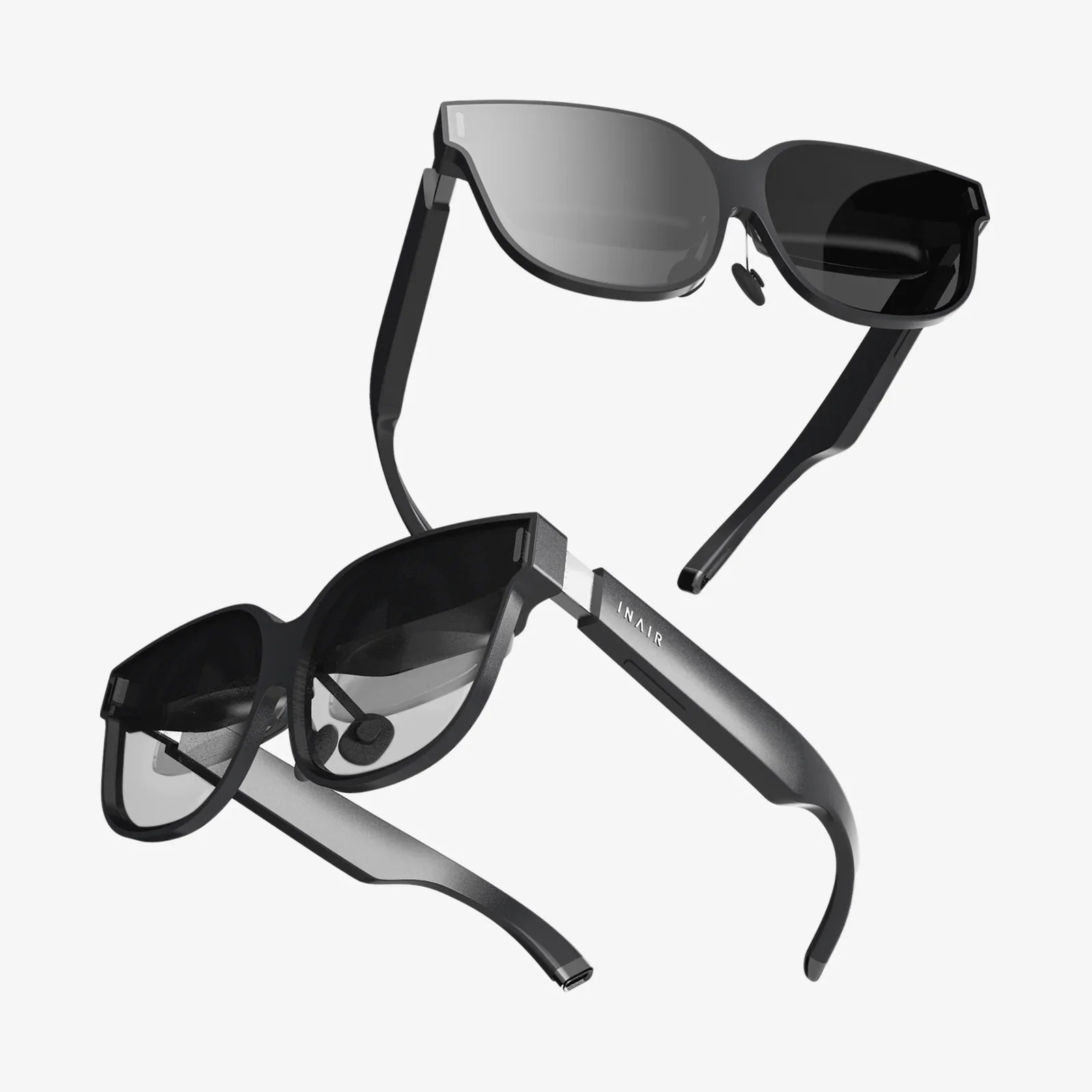
You squint at the glowing rectangle for what feels like the hundredth time today, a dull ache blooming behind your eyes. The text on the screen begins to swim, and a familiar wave of fatigue washes over you. This isn't just a long day at the office; this is Digital Eye Strain, the silent, pervasive side effect of modern life. But what if the simple act of putting on a pair of spectacles could transform this experience, turning hours of screen time from a chore into a comfortable, visually crisp endeavor? Welcome to the essential world of spectacles for screen protection, your first and most crucial line of defense in the digital frontier.
The Digital Onslaught: Understanding the Assault on Our Eyes
Before we delve into the solution, it's vital to understand the problem. Our lives are increasingly mediated by screens—from the smartphones we check first thing in the morning to the laptops we work on all day and the televisions we unwind with at night. This constant exposure subjects our eyes to a unique set of challenges that traditional eyewear was never designed to handle.
The primary culprit is High-Energy Visible (HEV) blue light. Emitted in significant quantities by LEDs, OLEDs, and other digital displays, this short-wavelength, high-energy light sits adjacent to ultraviolet light on the spectrum. Unlike UV light, which is mostly absorbed by the cornea and lens, a significant portion of blue light penetrates all the way to the retina. Prolonged and cumulative exposure has been linked by researchers to digital eye strain and may contribute to long-term retinal health concerns.
Beyond blue light, other factors contribute to the discomfort known as Computer Vision Syndrome (CVS) or Digital Eye Strain. These include:
- Glare and Reflections: Ambient light bouncing off screens creates glare, forcing our eyes to work harder to maintain focus.
- Pixelation: Unlike a printed page with solid ink, digital characters are made of tiny, illuminated pixels, which lack the well-defined edges our eyes are used to, leading to focusing difficulties.
- Reduced Blink Rate: Studies show we blink up to 66% less frequently when staring at a screen, leading to dry, irritated eyes as the tear film isn't replenished.
- Poor Ergonomics: Improper screen distance and angle force awkward postures and visual adjustments.
The symptoms are all too familiar: headaches, blurred vision, neck and shoulder pain, dry eyes, and difficulty concentrating. This isn't just about comfort; it's a significant drain on productivity and overall well-being.
Beyond the Bluelight Blocker: The Sophisticated Science of Protective Lenses
The term "spectacles for screen protection" often conjures images of simple yellow-tinted lenses that block blue light. While blue light filtration is a core component, modern protective eyewear is a feat of optical engineering that addresses the full spectrum of digital visual stress.
Precision Blue Light Filtration
Not all blue light is bad. Natural blue light during the day helps regulate our circadian rhythm, boosting mood and alertness. The goal of advanced lens technology is not to block all blue light, but to selectively filter out the most harmful portions of the spectrum—typically the higher-energy wavelengths between approximately 400-455 nm—while allowing beneficial blue-turquoise light to pass through. This selective approach ensures visual comfort without disrupting our natural sleep-wake cycles or causing significant color distortion, which is a common drawback of cheaper, non-selective filters.
The Power of the Anti-Reflective Coating
An anti-reflective (AR) coating is arguably as important as blue light filtration. A premium AR coating is applied to both the front and back of the lens to eliminate reflections from ambient light sources. This has two major benefits: it reduces distracting glare that bounces off the screen and into your eyes, and it minimizes the reflections on the backside of your lenses from lights behind you, which can be equally distracting. The result is a clearer, more comfortable view of your digital world with less strain.
Addressing the Focusing Struggle
Many adults over the age of 40 begin to experience presbyopia, a natural age-related decline in the eye's ability to focus on near objects. While traditional reading glasses help, they are often optimized for book-reading distance, not screen distance. This is where specialized optical powers come in.
- Optimized Single Vision Lenses: These are tailored specifically for the precise distance between your eyes and your computer screen, which is typically farther away than a book. This provides a larger, more comfortable field of view for digital tasks.
- Office Lenses or Occupational Progressives: These are sophisticated multi-focal lenses designed for the modern workplace. They feature a wide intermediate zone for your computer screen, a near zone for reading documents on your desk, and a smaller upper portion for briefly looking across the room. They eliminate the awkward neck tilting often required with traditional bifocals or progressive lenses.
Light and Clarity
Lenses designed for screen use often incorporate a very slight tint—usually a subtle yellow or rose hue—to enhance contrast and reduce glare. This is not the dramatic tint of sunglasses but a gentle filter that makes the black-on-white contrast of text sharper and easier to read, reducing the effort required by your eyes.
Who Truly Needs Screen Protection Spectacles? The Answer May Surprise You
The straightforward answer is: almost anyone who spends more than two consecutive hours per day in front of a digital device. This encompasses a far wider demographic than just office workers.
- The Corporate Professional: For those in back-to-back virtual meetings and managing massive spreadsheets, these spectacles can reduce end-of-day exhaustion and improve focus.
- The Creative and Developer: For graphic designers, video editors, and coders, color accuracy and incredible detail are paramount. High-quality protective lenses minimize strain without compromising the true representation of their work.
- The Gamer: Immersive gaming sessions can last for hours, with intense visual concentration. Protective eyewear can help maintain performance and comfort during extended play.
- Students of All Ages: From university students pulling all-nighters to children engaged in e-learning, protecting developing eyes from cumulative blue light exposure is a critical consideration for long-term ocular health.
- The Everyday User: If your day involves scrolling through social media on your phone, reading recipes on a tablet, or binge-watching your favorite shows, you are accumulating screen time. These spectacles are for you, too.
Selecting Your Digital Armor: A Buyer's Guide
Navigating the market for protective eyewear can be daunting. Here are the key factors to consider to ensure you invest in a pair that delivers genuine benefits.
- Comprehensive Blue Light Protection: Look for lenses that specify they filter a significant percentage of HEV blue light (often cited as filtering 40%+ of harmful blue light). Be wary of vague marketing terms and seek out technical specifications.
- Superior Anti-Reflective Coating: A high-quality AR coating is non-negotiable. It should be virtually invisible and applied to both sides of the lens.
- The Right Optical Power: This is crucial. An eye examination is essential. Discuss your specific digital habits with your eyecare professional—how many screens you use, their distances, and your other daily tasks—to determine if a single vision computer lens or an occupational progressive is right for you. Never use over-the-counter reading glasses for computer work, as the power and focal point are likely incorrect.
- Comfort and Fit: You'll be wearing these for long periods. Lightweight frames with comfortable nose pads and appropriately sized temples are essential. The frame should be wide enough to provide a full view of your screen without having to turn your head excessively.
- Lens Material: Consider lightweight and impact-resistant materials for durability and all-day comfort, especially if you are active or have a stronger prescription.
Consulting with a qualified eyecare professional is the most important step. They can perform a comprehensive eye exam, assess your specific needs, and recommend the perfect combination of lens technology and frame style for your lifestyle.
Dispelling the Myths: Separating Fact from Fiction
As with any popular technology, misconceptions abound.
Myth 1: "I can just use the night mode on my devices all day."
While night shift or blue light filter settings are a helpful tool, they are a blunt instrument. They alter the color temperature of your entire screen, often giving it a strong amber cast that can distort colors and is not suitable for color-critical work. Dedicated lenses offer precise filtration without drastic color distortion.
Myth 2: "My regular glasses have an anti-reflective coating; that's enough."
A standard AR coating helps with reflections but does nothing to filter high-energy blue light. Furthermore, if your regular glasses are not set to your specific computer working distance, they are not optimizing your vision for the task.
Myth 3: "These are only for people who already need prescription glasses."
Absolutely not. If you have 20/20 vision, you can still benefit immensely from the blue light filtering, anti-glare, and contrast-enhancing properties of plano (non-prescription) lenses designed for screen use.
A Holistic Approach to Digital Wellness
Spectacles for screen protection are a powerful tool, but they work best as part of a broader strategy for digital wellness. Embrace the 20-20-20 rule: every 20 minutes, look at something 20 feet away for at least 20 seconds. This simple act allows your focusing muscle to relax. Ensure your workspace is ergonomically set up with your screen at arm's length and the top of the monitor at or just below eye level. Increase the font size on your devices to avoid squinting, and make a conscious effort to blink more often. Finally, consider dimming overhead lights and using desk lamps with warmer tones to reduce ambient glare.
Imagine finishing an eight-hour workday without that characteristic pressure behind your eyes. Picture diving into an epic film or an intense gaming session and emerging feeling refreshed, not visually depleted. This is the promise held within a thoughtfully chosen pair of spectacles for screen protection. They are more than an accessory; they are a necessary investment in your comfort, your productivity, and the long-term health of your most vital sensory connection to the digital world. The clarity you seek is literally right before your eyes.
Share:
Interact Digital: The Future of Human-Computer Connection
Virtual Office Layout: The Ultimate Guide to Designing a Productive Digital Workspace