


- by wangfred
The Glasses Multimodel AI Now: A New Vision for Human-Computer Interaction
- by wangfred
Imagine a world where the boundary between the digital and the physical not only blurs but vanishes entirely, where information and assistance are woven into the very fabric of your perception, responding not to a click or a command, but to a glance, a whisper, or a thought. This is no longer the realm of science fiction. The future is here, and it is being viewed through a new lens—a lens powered by the most sophisticated multimodel artificial intelligence the world has ever seen. We are standing at the precipice of a revolution in human-computer interaction, and it is happening right now.
For decades, our interaction with computers has been defined by screens, keyboards, and mice. We have been forced to descend into the digital world, peering into glowing rectangles to access information. The advent of smartphones brought this power to our pockets, yet the fundamental interaction remained: we served the device, instructing it through deliberate, often cumbersome, inputs. The promise of true ambient computing—where technology serves us intuitively and contextually—has long been a dream. That dream is now being realized through the synergy of intelligent eyewear and multimodel AI.
This new generation of technology does not ask us to look down; it looks out with us. It sees what we see, hears what we hear, and understands the context of our situation in real-time. This is a monumental shift from command-based computing to context-aware computing. The device is no longer a tool we use, but an intelligent partner we wear.
At the heart of this revolution lies multimodel artificial intelligence. Unlike its predecessors that might specialize in a single task—like processing text or recognizing images—multimodel AI is a holistic system. It can simultaneously process and, most importantly, synthesize information from multiple sensory streams, or "modalities.">
Imagine an AI that can seamlessly integrate and cross-reference data from:
The true magic happens in the fusion of these modalities. It’s not just about seeing a book; it’s about seeing a book, recognizing its title, cross-referencing it with a database to pull up reviews and summaries, and then reading those reviews aloud to you—all initiated by a simple glance. It’s not just about hearing a language; it’s about hearing it, translating it, and displaying the subtitles directly onto your field of view, overlaying the real world. This is the power of multimodel AI: it creates a sum far greater than its individual parts, enabling a depth of understanding and interaction that was previously impossible.
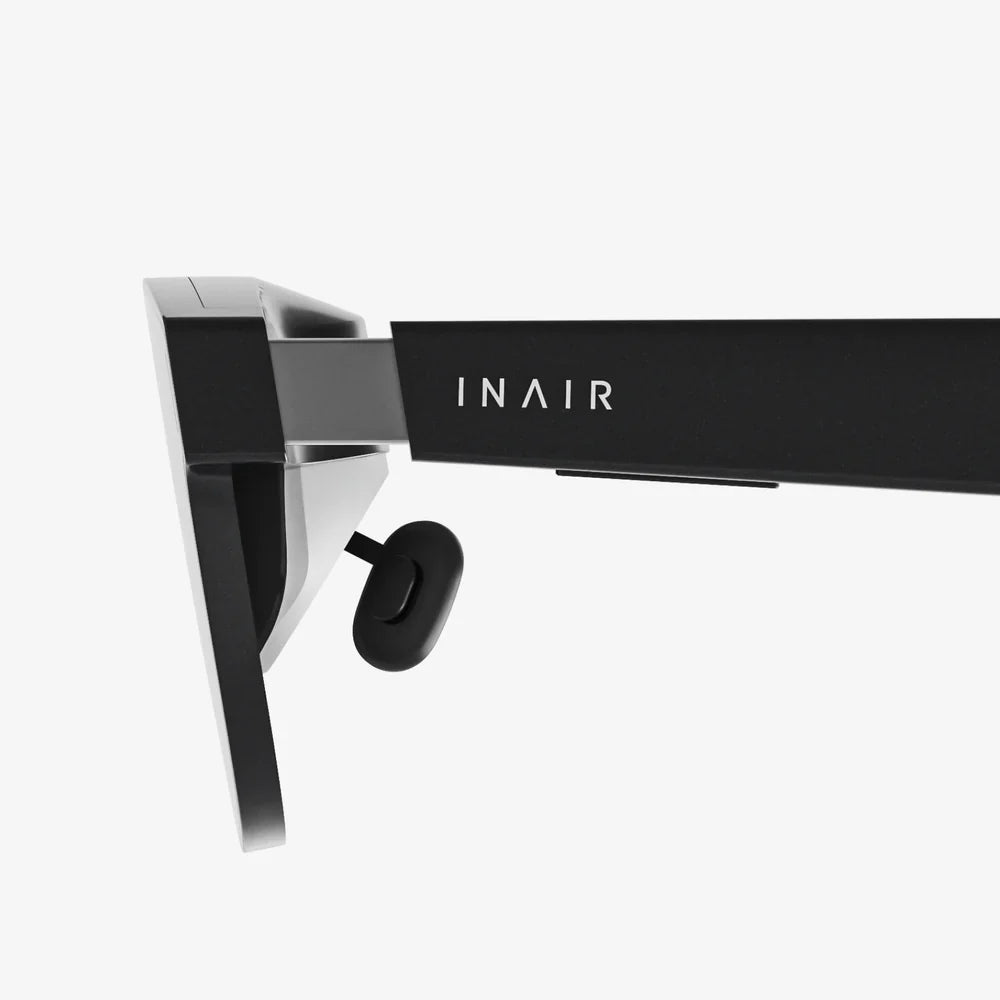
To be worn comfortably all day, this technology must be incredibly lightweight, powerful, and discreet. This represents a staggering achievement in engineering and miniaturization. The modern intelligent glasses package a formidable array of technology into a form factor that is often indistinguishable from standard eyewear.
Key components include:
This hardware is the vessel, but the multimodel AI is the mind that brings it to life, transforming inert components into a perceptive and proactive assistant.
The applications for this technology are as vast as human endeavor itself. It is already beginning to transform numerous fields by providing hands-free, immediate access to critical information and expert guidance.
Surgeons can access patient vitals, MRI scans, or surgical plans without breaking sterility by looking away from the operating table. A medic in the field could receive real-time guidance from a specialist thousands of miles away, who sees what they see and can annotate their view. For individuals with low vision, the AI can act as a visual interpreter, amplifying text, identifying obstacles, and describing people and scenes.
A technician repairing a complex machine can have the schematic diagrams overlaid directly onto the equipment, with step-by-step instructions guiding their every move. An engineer on a factory floor can perform a quality inspection, with the AI automatically highlighting potential defects invisible to the naked eye. This reduces errors, accelerates training, and dramatically improves efficiency.
Warehouse workers can see optimal picking routes and inventory information displayed over the shelves, streamlining fulfillment. For the everyday user, navigating a new city becomes intuitive, with directional arrows and points of interest painted onto the streets themselves, eliminating the need to constantly check a phone.
Imagine a student walking through a museum. By simply gazing at an artifact, they can trigger an AI-powered narration of its history. A person struggling with social anxiety could get subtle conversational cues. Real-time language translation can break down barriers, allowing for fluid communication between people who speak different languages, fostering deeper connection and understanding.
With such transformative power comes profound responsibility. The ability to record audio and video passively, recognize faces, and constantly analyze one’s environment raises serious and valid concerns about privacy, security, and social etiquette.
The development of this technology must be accompanied by an open and ongoing public dialogue involving technologists, ethicists, policymakers, and the general public. The goal must be to build a future that is not only technologically advanced but also equitable, respectful, and human-centric.
What we see today is merely the first chapter. The trajectory points toward even tighter integration between human and machine. Future iterations will likely feature:
This is not about replacing reality with a virtual one; it is about enriching our existing reality with a layer of useful, dynamic intelligence. It’s about enhancing human cognition and perception, allowing us to be more present, more capable, and more connected to the world around us.
The age of staring into a glass slab is drawing to a close. A new era is dawning, one where the most powerful computer is the one you look through, not at. The convergence of intelligent eyewear and multimodel AI is unlocking a future of limitless potential, offering a seamless fusion of human intuition and machine intelligence that will redefine what it means to see, to know, and to interact with our world. The question is no longer if this future will arrive, but how quickly we can adapt to its incredible possibilities and thoughtfully navigate the challenges it presents. The lens is focused, the AI is learning, and a new way of seeing is already here.
Share:
VR & Augmented Reality Companies: Architects of a New Digital Reality
Augmented Reality Interaction Is Reshaping Our Digital and Physical Worlds