


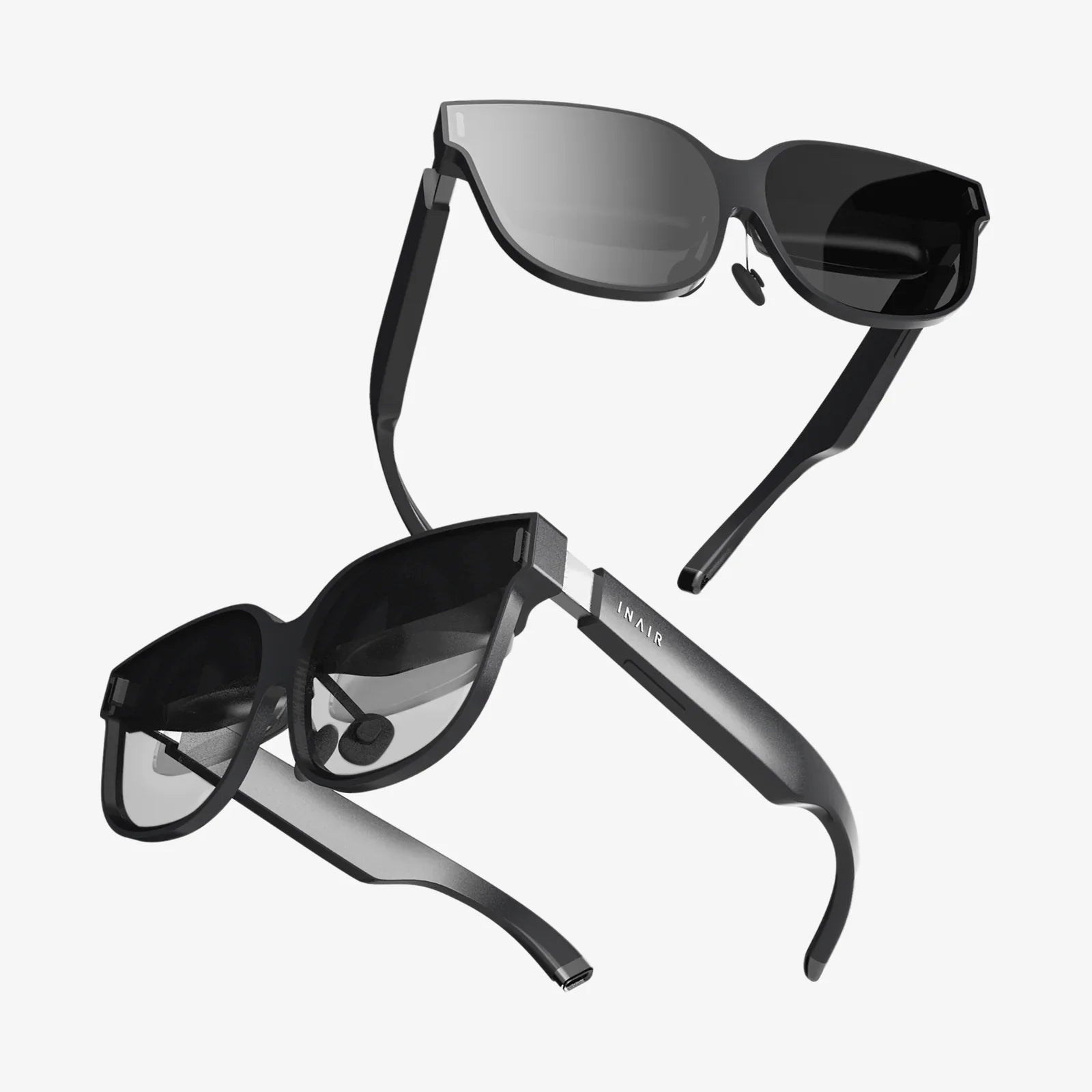
Imagine a work environment where your productivity is measured by your output, not by the hours you spend at a desk; where your well-being is considered a critical component of success, not a secondary concern; and where technology serves as a seamless bridge to collaboration, not a cumbersome barrier. This isn't a distant utopian vision—it is the present and future reality being forged by the global shift towards The Smart Working revolution. This transformative approach is moving beyond the simplistic binary of 'office vs. remote' to create a holistic, human-centric ecosystem that leverages cutting-edge tools and progressive philosophies to unlock unprecedented levels of efficiency, creativity, and job satisfaction.
Beyond the Hype: Defining a New Paradigm
The term 'Smart Working' is often used interchangeably with remote work or telecommuting, but this is a profound oversimplification. At its core, Smart Working is a comprehensive organizational strategy. It is a model that empowers employees by giving them flexibility and autonomy over where, when, and how they work, all within a framework of clear goals and accountability. The central premise is a shift from measuring presence to measuring performance.
This philosophy is built upon several foundational pillars:
- Flexibility & Autonomy: Trusting employees to manage their own schedules and choose work environments that best suit their tasks, whether that's a home office, a co-working space, or a corporate hub.
- Digital Integration: Deploying a suite of cloud-based tools for communication, project management, and collaboration that make physical location irrelevant to workflow.
- Activity-Based Workspaces: Redesigning physical offices to be destinations for collaboration, culture-building, and specific tasks, rather than rows of uniform desks.
- Results-Oriented Leadership: Training managers to lead based on outcomes and objectives (Management by Objectives) rather than overseeing hours logged and physical presence.
The Engine of Change: Technology as the Great Enabler
None of this would be possible without the breathtaking acceleration of digital technology. The infrastructure for Smart Working is built on a robust digital backbone. Cloud computing is the undisputed foundation, allowing real-time access to documents, applications, and data from any device, anywhere in the world. This has dissolved the traditional network perimeter and created a borderless workplace.
On top of this foundation sits a layer of collaborative software that facilitates human connection. Video conferencing platforms have evolved from clunky, unreliable services into sophisticated hubs for virtual meetings, complete with digital whiteboards, breakout rooms, and immersive features. Instant messaging and team collaboration channels have replaced the endless email thread, creating more dynamic and transparent communication. Furthermore, the integration of Project Management tools provides a single source of truth for task ownership, deadlines, and progress, ensuring everyone is aligned regardless of their time zone.
Emerging technologies like Artificial Intelligence (AI) and the Internet of Things (IoT) are poised to push Smart Working even further. AI can optimize schedules, automate mundane tasks, and provide data-driven insights into team performance and well-being. IoT sensors in smart offices can manage lighting, climate, and desk bookings to create a more efficient and comfortable environment for those who are in the office, ensuring the physical space is used intentionally and effectively.
The Tangible Benefits: A Win-Win-Win Scenario
The adoption of a genuine Smart Working model yields significant advantages for employees, employers, and society at large.
For the Employee:
- Enhanced Work-Life Integration: The ability to manage personal commitments—like school runs, medical appointments, or family needs—without sacrificing professional responsibilities reduces stress and prevents burnout.
- Increased Productivity & Focus: By working during their most productive hours and in an environment they control, employees can achieve deeper focus and complete complex tasks more efficiently, often leading to a shorter, more effective workday.
- Greater Job Satisfaction & Retention: The autonomy and trust inherent in this model foster a powerful sense of loyalty and satisfaction, making employees far less likely to seek opportunities elsewhere.
For the Employer:
- Access to a Global Talent Pool: Geography is no longer a limiting factor. Companies can hire the best person for the role, not just the best person within a commutable distance.
- Reduced Overhead Costs: A smaller, optimized office space dedicated to collaboration rather than individual work can lead to massive savings on real estate, utilities, and amenities.
- Resilience & Business Continuity: A distributed, digitally-native workforce is inherently more resilient to disruptions, be they local (a transport strike) or global (a pandemic).
- Boosted Innovation: Diverse teams working asynchronously can bring a wider range of perspectives and ideas to the table, fueling creativity and innovation.
For Society:
- Environmental Impact: A significant reduction in daily commutes leads to lower carbon emissions, less traffic congestion, and improved urban air quality.
- Regional Economic Development: As workers disperse from major urban centers, they bring their income and spending to suburban and rural communities, helping to rebalance regional economies.
- Inclusion & Diversity: Smart Working opens doors for individuals who may have been excluded from the traditional workforce, including people with disabilities, caregivers, and those living in remote areas.
Navigating the Pitfalls: Challenges and Strategic Solutions
For all its promise, the transition to Smart Working is not without its challenges. A poorly implemented strategy can lead to isolation, burnout, and a erosion of company culture.
The Erosion of Boundaries: When the home becomes the office, the risk of 'always-on' culture is very real. Employees may struggle to disconnect, leading to chronic stress. The solution lies in strong organizational policies that explicitly respect off-hours, encourage employees to set digital boundaries, and train leaders to model healthy behavior.
Proximity Bias and Inequality: There is a danger that employees who are physically present in the office will have greater visibility and access to opportunities than their remote counterparts. Combating this requires a deliberate effort to create a level playing field. This includes mandating camera-on for all meeting participants (whether in a room or remote), ensuring all important information is shared digitally, and making a conscious effort to solicit input from remote team members during discussions.
Building and Maintaining Culture: Culture is often built through spontaneous 'watercooler' moments and shared experiences. Recreating this digitally demands intention. Virtual social events, dedicated non-work communication channels, and occasional company-wide offsites are essential investments in social capital and cultural cohesion.
The Digital Divide: Smart Working assumes a certain level of digital literacy and access to reliable, high-speed internet. Organizations must be mindful of this and provide support, whether through stipends for home office equipment or training to ensure all employees can thrive in the digital environment.
Implementing the Future: A Blueprint for Organizations
Transitioning to a Smart Working model is a strategic initiative, not an IT policy. It requires a holistic change management approach.
- Define Your 'Why': Establish clear business objectives for the shift. Is it for talent acquisition, resilience, cost-saving, or innovation? This vision will guide all subsequent decisions.
- Co-Create the Framework: Involve employees from all levels in designing the policies. Use surveys and workshops to understand their needs and concerns, fostering a sense of ownership from the start.
- Invest in Technology & Training: Provide a standardized, secure, and user-friendly tech stack. Crucially, invest equally in training people to use these tools effectively and responsibly.
- Redesign the Physical Office: Reimagine your corporate real estate as a collaborative hub. Create a variety of spaces for team meetings, quiet focus, and socializing to give people a compelling reason to come in.
- Retrain Leadership: The role of a manager shifts from supervisor to coach and facilitator. Training must focus on outcome-based performance management, fostering inclusion in hybrid meetings, and supporting team well-being.
- Iterate and Listen: This is a continuous process. Regularly gather feedback through surveys and stay interviews, and be prepared to adapt your policies based on what you learn.
The Human Element: Trust as the Ultimate Currency
Underpinning every technological investment and policy change in the Smart Working model is one fundamental, irreplaceable ingredient: trust. Without trust between leadership and employees, the model collapses into a system of digital surveillance and micromanagement. The temptation to monitor keystrokes or track mouse movements is a symptom of a trust-deficient culture and is proven to be counterproductive, eroding morale and engagement.
True Smart Working requires a leap of faith—a belief that employees are intrinsically motivated to contribute and succeed. It replaces the outdated industrial-era mindset of workers as resources to be controlled with a modern view of them as partners to be empowered. This cultural shift is the most significant, and often the most difficult, part of the transformation, but it is also the most rewarding. When employees feel trusted, they reciprocate with greater commitment, creativity, and loyalty.
The future of work is not a fixed location or a set schedule; it is a dynamic, adaptable, and human-centric experience. The Smart Working revolution is dismantling the rigid structures of the past century, offering a glimpse into a more agile, fulfilling, and sustainable way of achieving our professional goals. It demands a new contract between employer and employee, one built on mutual trust, clear communication, and a shared commitment to outcomes. Those who embrace this change are not just adapting to a new trend—they are actively building a competitive advantage that will define success for decades to come, creating organizations where people don't just work, but work brilliantly.
Share:
Virtual Reality Headset iPhone App: Unlocking a New Dimension of Mobile Experience
New Portable Computer: Redefining Work, Creativity, and Connection On The Go