


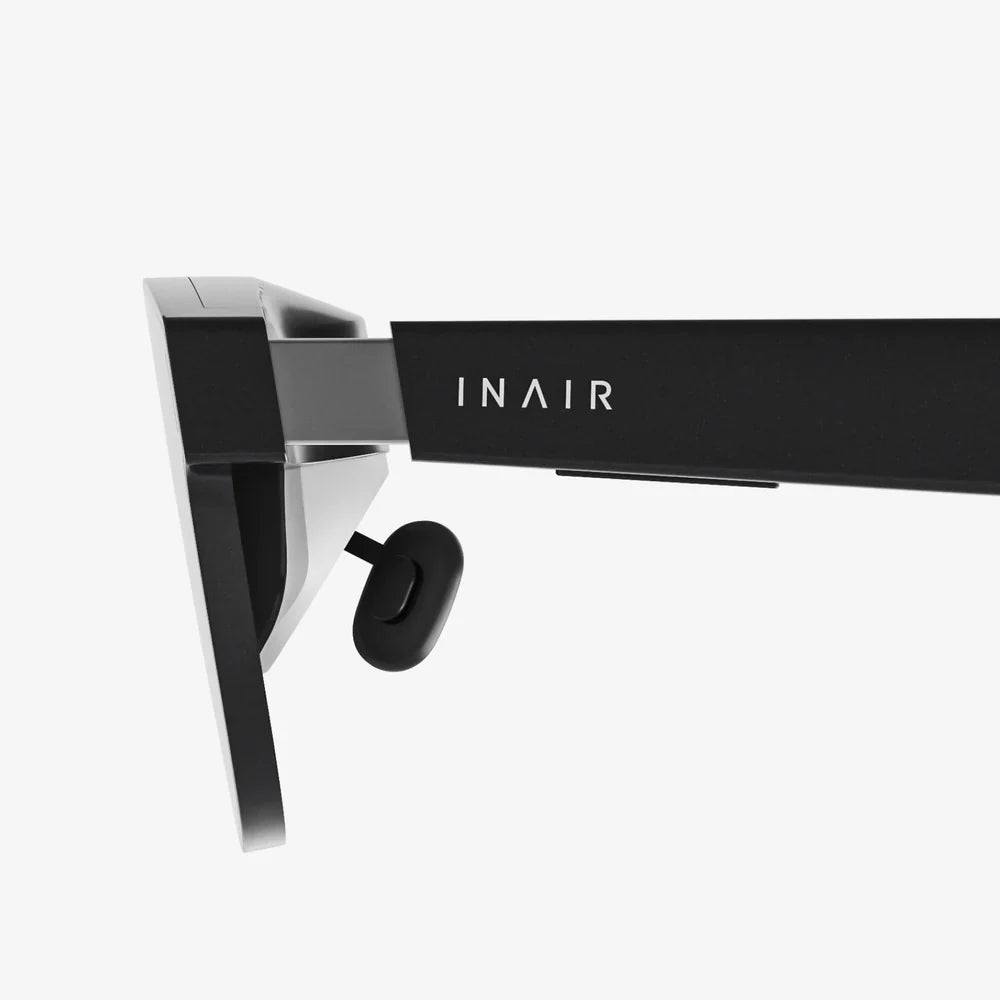
Imagine holding a portal to another world in the palm of your hand. With the powerful computer we all carry in our pockets and a simple, affordable headset, the line between the physical and the digital is not just blurring—it's vanishing. The combination of a virtual reality headset and a dedicated iPhone app represents one of the most accessible and revolutionary technological democratizations of our time, offering a glimpse into a future where experiences are not just watched but lived.
The Symbiotic Relationship: Hardware Meets Software
At its core, this technological magic trick relies on a perfect symbiosis. The virtual reality headset provides the essential hardware: the lenses that refocus the iPhone's high-resolution display for each eye, creating the stereoscopic 3D effect that is the foundation of depth perception in VR. The headset's housing blocks out external light and distractions, while its built-in gyroscope and accelerometer—or, more commonly, the iPhone's own sophisticated motion sensors—track the precise movement of your head. Tilt, turn, or look up and down, and the digital world responds in perfect, real-time unison.
But the headset is an empty vessel without its digital soul: the iPhone app. This software is the true architect of the experience. It renders the immersive environment, processes the complex spatial audio that convinces your brain sounds are coming from specific locations, and interprets the data from the phone's sensors. The app is the gatekeeper, the storyteller, and the engine. It's what transforms a simple plastic and glass holder into a time machine, a spaceship cockpit, or a front-row concert seat.
Beyond Gaming: The Expansive Universe of VR Applications
While immersive games are often the first application that comes to mind, the utility of a VR headset and iPhone app extends far beyond the realm of entertainment. This technology is reshaping how we learn, connect, and understand our world.
Education and Virtual Field Trips
Imagine a history class where students don't just read about ancient Rome; they stand in the Forum, looking up at the towering temples. Biology students can take a journey through the human bloodstream, and astronomy classes can traverse the solar system. Dedicated educational apps use photorealistic 360-degree videos and interactive 3D models to create unforgettable learning experiences that boost engagement and retention, making abstract concepts tangibly real.
Social Connection and Shared Experiences
VR is evolving into a profoundly social medium. Social platform apps allow users to create avatars and meet friends in virtual spaces—from movie theaters and comedy clubs to breathtaking natural environments. You can watch a film together, play a game of virtual chess, or simply hang out and converse as if you were in the same room, despite being continents apart. This sense of co-presence, of sharing a space and an experience, is a powerful antidote to physical distance.
Travel and Real Estate Exploration
For the travel industry, this technology is a game-changer. Potential tourists can take guided preview tours of hotel resorts, walk through city streets, or stand atop mountain peaks before ever booking a flight. Similarly, real estate agents utilize VR apps to offer immersive virtual walkthroughs of properties, allowing potential buyers to explore every room at their own pace, day or night, from anywhere in the world.
Meditation and Mindfulness
In our hectic world, VR has emerged as a powerful tool for mental wellness. Guided meditation apps transport users to serene beaches, quiet forests, or deep space. By controlling the entire visual and auditory environment, these apps can facilitate a deeper state of relaxation and mindfulness more quickly than traditional audio-only meditation, helping to reduce stress and anxiety.
The Technical Alchemy: How Your iPhone Becomes a VR Powerhouse
The magic behind this experience is a fascinating feat of engineering. Modern iPhones are equipped with everything needed to deliver a compelling VR experience.
- The Retina Display: The high pixel density and fast refresh rates of iPhone screens provide the sharp, clear, and smooth imagery necessary to sell the illusion of reality and prevent the screen-door effect (where users can see the gaps between pixels).
- Advanced Sensors: The gyroscope, accelerometer, and magnetometer work in concert to achieve rotational tracking. They measure the angular velocity and orientation of the phone with incredible precision, ensuring the virtual world moves exactly as your head does.
- Processing Power: The A-series and M-series chips are computational beasts, capable of rendering two high-frame-rate perspectives (one for each eye) simultaneously, all while running the complex physics and AI that power interactive applications.
However, this mobile-based approach, often called mobile VR, does have its limitations compared to high-end, standalone VR systems. The primary constraint is positional tracking. While rotational tracking is flawless, most basic headsets cannot track your physical movement through space (leaning forward, sidestepping). This is known as 3 Degrees of Freedom (3DoF). More advanced systems offer 6 Degrees of Freedom (6DoF), tracking both rotation and position, but this often requires external sensors or more sophisticated inside-out tracking cameras not found on standard smartphones.
Choosing Your Path: What to Look For in a Headset and App
Dipping your toes into the virtual waters can be surprisingly affordable. When selecting a headset, consider comfort (padding, weight distribution), lens quality, and compatibility with your specific iPhone model. Some headsets include an additional controller for more intuitive interaction beyond the phone's touchscreen.
The App Store is your gateway to countless experiences. Look for apps with high ratings, positive reviews specifically mentioning VR performance, and a large number of downloads. Many offer free versions or lite experiences so you can test the waters before committing. The best apps are those that are designed specifically for VR from the ground up, offering intuitive interaction and a comfortable experience that minimizes potential for motion sickness.
The Future is Now, and It's in Your Pocket
The convergence of the virtual reality headset and the iPhone app is more than a neat party trick; it's a paradigm shift in personal technology. It has taken a specialized, expensive experience and made it available to millions, fostering creativity and innovation at an unprecedented pace. This technology is not about escaping reality, but about enhancing it—adding rich, immersive layers to how we play, learn, and connect. The door to these new worlds isn't in a secret lab or a high-priced boutique; it's right there, waiting in your pocket, ready to be unlocked.
Share:
AR Glasses UK: The Ultimate Guide to Augmented Reality in Britain
The Smart Working Revolution: Redefining Productivity for the Modern Age