


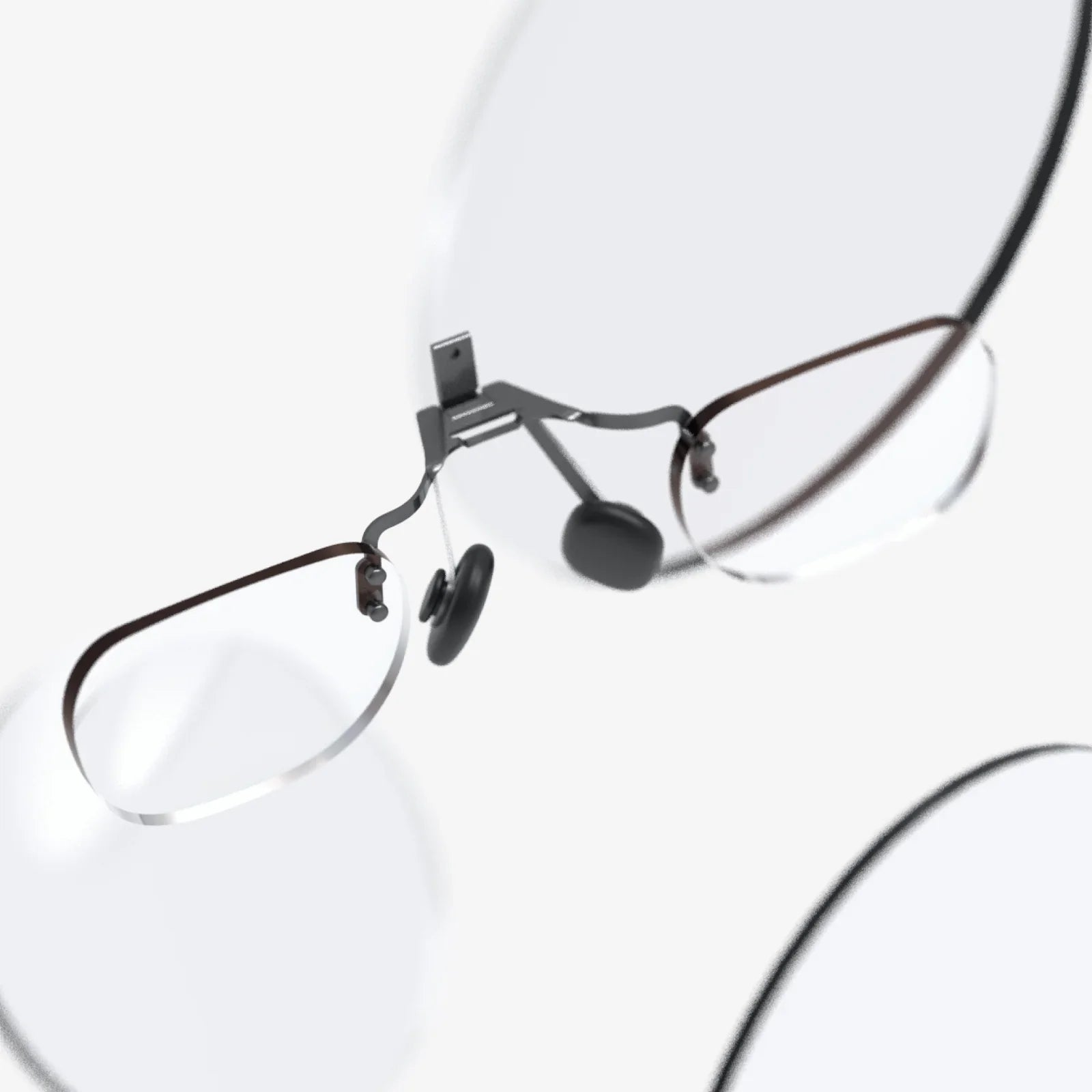
Imagine trying on dozens of eyeglass frames from the comfort of your couch, experimenting with bold styles you’d never dare to pick up in a store, and knowing with absolute certainty that your final choice will perfectly suit your face—all without stepping foot outside your home. This is no longer a futuristic fantasy; it is the present-day reality of virtual glasses fitting, a technological revolution that is dismantling the traditional barriers of eyewear shopping and redefining the very essence of consumer convenience and confidence.
The Dawn of a New Era in Eyewear
For decades, the process of buying new glasses followed a familiar, often tedious, script. It involved scheduling an appointment, traveling to a physical store, and spending what could feel like an eternity in front of a mirror, clumsily swapping out frame after frame under harsh fluorescent lighting. The experience was limited by the store's inventory, the subjective opinion of a salesperson, and the sheer fatigue of decision-making. The rise of e-commerce offered a new avenue—vast selection and competitive prices—but it introduced a new set of problems: How could you be sure the frames would fit? How would they look on your unique facial structure? Virtual fitting technology emerged as the elegant solution to this fundamental e-commerce dilemma.
How Does Virtual Glasses Fitting Technology Work?
At its core, virtual glasses fitting is a sophisticated interplay of augmented reality (AR), artificial intelligence (AI), and precise facial mapping. The magic begins with your device's camera. Here’s a breakdown of the process:
Facial Mapping and Landmark Detection
The software first captures a detailed scan of your face. Advanced algorithms then identify key facial landmarks—the precise position of your pupils, the width of your nose bridge, the height of your cheekbones, the curve of your temples, and the length of your ears. This creates a unique digital blueprint of your face, a critical step that ensures the virtual frames don't just float in front of you but actually sit on your face with realistic proportions.
Augmented Reality Overlay
Using AR, the technology superimposes a photorealistic 3D model of the eyeglass frames onto your live video feed or uploaded photo. The best systems account for lighting, shadows, and skin tone, rendering the glasses so convincingly that it becomes difficult to distinguish the virtual try-on from a real photograph. You can turn your head from side to side, tilt it up and down, and see how the frames look from every angle, just as you would in a mirror.
AI-Powered Style Recommendations
Beyond mere visualization, many platforms incorporate AI to analyze your facial features, skin tone, and even personal preferences to recommend frames that are most likely to flatter you. This intelligent guidance can help narrow down choices from thousands of options to a curated selection tailored specifically for you, demystifying the often-overwhelming world of style choices.
Beyond Convenience: The Multifaceted Benefits
The appeal of virtual fitting extends far beyond the obvious convenience of shopping in your pajamas. Its benefits are reshaping consumer expectations and behaviors.
Unprecedented Confidence in Purchase Decisions
This is the single most significant advantage. The anxiety of buying glasses online—wondering if you'll like them once they arrive—is virtually eliminated. By providing a highly accurate representation of how frames will look and fit, the technology drastically reduces purchase hesitation and, consequently, the rate of returns. Consumers can experiment with multiple styles, colors, and sizes in minutes, leading to more informed and satisfying decisions.
Democratizing Style and Experimentation
Virtual fitting rooms are judgment-free zones. They empower individuals to try bold, fashion-forward, or unconventional frames without the perceived pressure of a sales associate or the self-consciousness of trying them on in a public space. This encourages creative expression and allows users to discover styles they might otherwise have overlooked, ultimately leading to a pair of glasses that truly reflects their personality.
Accessibility and Inclusivity
For individuals with mobility issues, those living in remote areas with limited access to optical stores, or people with busy schedules, virtual try-ons are more than a convenience—they are a vital service. This technology democratizes access to a vast world of eyewear, ensuring that everyone, regardless of location or physical ability, can enjoy a full and confident shopping experience.
Perfecting the Fit
Advanced systems go beyond aesthetics to provide precise fit measurements. By analyzing your facial blueprint, the technology can recommend specific frame dimensions—lens width, bridge width, and temple length—that are anatomically suited to your face. This data-driven approach helps prevent the common issues of glasses that are too tight, too loose, or sit uncomfortably on the nose or ears.
Addressing the Challenges and Looking to the Future
While the technology is impressive, it is not without its current limitations. Accuracy can sometimes be affected by variable lighting conditions or lower-quality device cameras. The tactile experience—the weight of the frames, the feel of the material on your skin—is something that cannot yet be replicated virtually. Furthermore, ensuring that the skin tone and color rendering of the frames are perfectly accurate remains a focus for continued refinement.
However, the future trajectory of virtual glasses fitting is incredibly promising. We are moving towards even more immersive experiences powered by:
- Advanced AI and Machine Learning: Algorithms will become exponentially better at predicting style preferences and perfecting fit, potentially incorporating data on head shape and personal lifestyle.
- Integration with Eye Care Professionals: The technology will seamlessly integrate with prescription data, allowing optometrists to virtually recommend frames during an exam and send a direct link to patients for at-home try-ons.
- Photorealistic Avatars and Metaverse Integration: Users may create highly detailed digital avatars for hyper-accurate try-ons, which could also be used for virtual appointments with stylists or for shopping within virtual worlds.
A Transformation of the Optical Industry
The impact of virtual fitting extends deeply into the business models of the optical industry. For retailers, it serves as a powerful tool to engage customers, increase conversion rates, and significantly lower return costs. The rich data collected on user preferences and try-ons provides invaluable insights into trends, informing everything from inventory selection to future frame design. It blurs the lines between online and offline retail, enabling a powerful omnichannel strategy where customers can discover options online and then visit a store to finalize their purchase, or vice versa.
This technology is not meant to eradicate the traditional optical store. Instead, it enhances it. The human touch, expert advice, and precise adjustments provided by skilled opticians will always be invaluable. Virtual fitting is a tool that augments this experience, freeing up time in-store for more meaningful consultation and service by handling the initial discovery and curation process online.
The journey to find the perfect pair of glasses has always been a deeply personal one, a quest for a tool that provides clear vision and an accessory that defines a look. Virtual glasses fitting technology has supercharged this quest, transforming it from a chore into an engaging, confident, and personalized adventure. It has handed the control directly to the consumer, providing a digital mirror that reflects not just their face, but their perfect style, waiting to be discovered. The future of eyewear is not on a display wall; it’s on your screen, waiting for you to click ‘try on’ and see yourself in a whole new light.
Share:
Example of Augmented Reality: A Deep Dive into the Technology Reshaping Our World
XR Glasses 2024: The Year They Finally Became Indispensable