


- by wangfred
Virtual Reality Gear Review: The Ultimate Guide to Immersive Technology in 2024
- by wangfred
Imagine slipping on a headset and instantly being transported to another world—a front-row seat at a concert, the cockpit of a starship, or a tranquil beach at sunset. This is the promise of virtual reality, a technology that has evolved from science fiction fantasy into a powerful, accessible tool for entertainment, productivity, and connection. But with so many options and technical specifications, choosing the right equipment can feel like navigating a labyrinth. This definitive guide cuts through the complexity, offering a clear-eyed review of the virtual reality gear that will define your journey into digital realms. Whether you're a curious newcomer or a seasoned explorer ready to upgrade, what you're about to discover will fundamentally change how you interact with the virtual frontier.
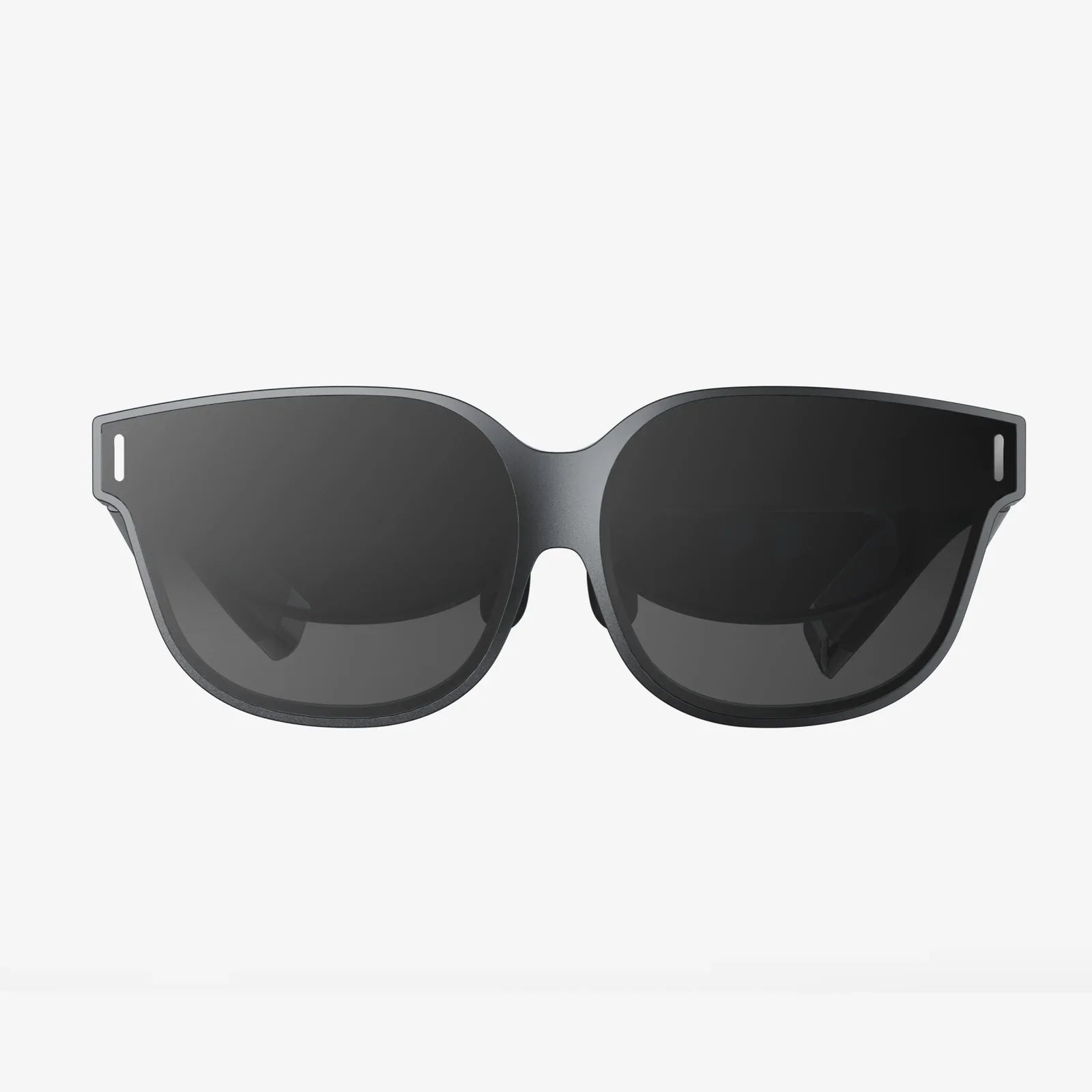
At the heart of any virtual reality setup is the head-mounted display (HMD). This is your window to virtual worlds, and its quality directly dictates the immersion and comfort of your experience. Modern HMDs can be broadly categorized into three types: tethered, standalone, and mobile. Each offers a distinct balance of performance, convenience, and cost.
Tethered systems are the powerhouses of the VR world. Connected via a high-speed cable to a powerful external computer or console, they deliver the highest fidelity visuals, the most complex physics, and the most immersive experiences available today. The trade-off is a higher overall cost, requiring not just the headset but also a capable machine to run it, and the physical tether itself, which can limit movement and require careful cable management. For users seeking the absolute pinnacle of graphical performance and realism, this category remains unmatched.
Standalone headsets represent the most significant shift in the market. These all-in-one devices contain the necessary computing power, sensors, and battery within the headset itself, completely eliminating the need for an external PC or a web of cables. This grants unparalleled freedom of movement, making them incredibly user-friendly and accessible. While historically lagging behind tethered systems in raw graphical power, the latest generations have closed the gap significantly, offering stunning visuals and robust performance that satisfies the vast majority of users and applications.
Mobile VR, which involves slotting a smartphone into a holder, has largely been phased out by the rapid advancement of standalone technology. While it served as an important entry point, the superior, purpose-built experience of modern standalone headsets has made this category obsolete for serious users.
Once you've chosen your headset type, the next critical consideration is the quality of the display. This is measured by several key specifications that work in concert to create a believable image.
Resolution and Pixel Density (PPI): Simply put, higher resolution means a sharper, clearer picture with less visible "screen door effect"—the faint grid lines that can appear between pixels. Modern high-end headsets boast resolutions that approach or exceed that of 4K monitors per eye, resulting in incredibly crisp text and detailed environments. Pixel density (pixels per inch) is often a more important metric than raw resolution, as it accounts for the magnification of the lenses.
Refresh Rate: Measured in Hertz (Hz), the refresh rate determines how many times the image on the display updates per second. A higher refresh rate, such as 90Hz, 120Hz, or even 144Hz, leads to smoother motion, reduced latency (lag), and a significantly lower chance of experiencing motion sickness. For fast-paced games and simulations, a high refresh rate is non-negotiable.
Lens Quality and Field of View (FoV): The lenses are what focus the display panels for your eyes. Advanced lens designs, like Fresnel or pancake lenses, aim to provide a large, clear "sweet spot" with minimal distortion at the edges. The Field of View is how much of the virtual world you can see at once, measured diagonally in degrees. A wider FoV (110 degrees or more) enhances immersion by more closely mimicking human peripheral vision, making the digital environment feel less like looking through a pair of binoculars.
Your hands are your primary tool for interacting with the real world, and VR controllers are their digital counterparts. A good controller feels like an extension of your body, disappearing from your conscious thought as you reach out to manipulate virtual objects.
Modern VR controllers are typically wireless and feature an array of sensors. Standard features include analog sticks, buttons, triggers, and grip inputs. However, the true magic lies in their tracking capabilities and haptic feedback. Precise tracking allows for 1:1 movement of your hands in the virtual space, enabling delicate tasks like painting, assembling machinery, or aiming a weapon with real-world accuracy.
Haptic feedback is the use of subtle vibrations and force impulses to simulate touch. Advanced haptics can mimic the sensation of tapping a surface, feeling the recoil of a virtual gun, or the texture of an object rolling in your palm. This tactile layer is crucial for selling the illusion of reality. The latest innovation in this space is the move toward controller-free hand tracking, where cameras on the headset itself track your fingers and gestures, allowing you to use your bare hands to interact with menus and objects. This technology is rapidly improving and represents the future of intuitive VR interaction.
For a virtual reality system to know where you are and how you're moving, it relies on a sophisticated tracking system. There are two primary methods used today, each with its strengths.
Inside-Out Tracking: This is the standard for modern standalone and many tethered headsets. Cameras mounted on the headset itself look outward to track its position relative to the room. It requires no external sensors, making setup quick and easy and allowing for greater portability. The system identifies unique features in your environment to anchor itself, providing robust tracking within the defined play area.
Outside-In Tracking: This older, but still highly precise, method uses external sensors or base stations placed around the room to track the position of the headset and controllers via LEDs or lasers. While it requires a more involved setup and is less portable, it can offer sub-millimeter accuracy and is less prone to occlusion (losing tracking when controllers are hidden from the headset's cameras). It remains the gold standard for professional applications and high-end enthusiast setups.
The most technologically advanced headset is worthless if it's uncomfortable to wear. Ergonomics are paramount, especially for experiences that last longer than a few minutes. Key factors include weight distribution, facial interface materials, and adjustability.
A well-designed headset uses a balanced strap system, often with a rigid top strap or a counterweight at the back, to distribute its weight evenly across your head instead of pressing down on your cheeks and nose. The material that contacts your face, the facial interface, is typically made of foam or silicone. Quality materials are breathable, easy to clean, and soft against the skin. Features like a mechanical IPD (inter-pupillary distance) slider are essential, allowing you to physically adjust the distance between the lenses to match your eyes for a clearer, more comfortable image.
While gaming is the most famous application for virtual reality, the ecosystem has exploded far beyond it. This expansion is a critical part of any gear review, as the hardware you choose should serve your intended purpose.
Fitness and Wellness: VR has become a legitimate fitness platform. Dedicated applications offer intense cardio workouts, rhythm-based boxing, and guided meditation in serene environments. The engaging nature of these experiences makes exercise feel less like a chore. When reviewing gear for fitness, factors like a secure fit, sweat-resistant materials, and ease of cleaning become top priorities.
Social Connection and Collaboration: Virtual spaces are becoming new venues for socializing and working. Platforms exist where users can gather as stylized avatars to watch movies, attend live events, play social games, or simply hang out. For enterprise, VR enables remote teams to collaborate on 3D models, conduct virtual training in safe environments, and hold meetings as if they were in the same room. Gear that prioritizes a high-resolution display for reading text and a high-quality built-in microphone is ideal for these use cases.
Creative and Educational Tools: Artists are using VR to paint and sculpt in three-dimensional space, creating astounding works of art that are impossible in the physical world. Similarly, educational institutions are using immersive simulations to teach complex subjects, from human anatomy to historical events, allowing students to learn by doing rather than just observing.
With this comprehensive breakdown of the technology, the final step is aligning it with your needs, budget, and existing hardware. Ask yourself these key questions:
The perfect piece of virtual reality gear does not exist; it's a matter of finding the best compromise for your individual situation. The current market offers something for everyone, from affordable entry points that deliver remarkable experiences to cutting-edge systems that push the boundaries of reality. The most important step is to start. The virtual world is vast, breathtaking, and constantly evolving, waiting for you to take that first step inside. Your next adventure is just a headset away.
The journey into virtual reality is no longer a distant future—it's a present-day reality brimming with possibilities, and the right gear is your passport. This immersive technology is reshaping how we play, work, and connect, offering experiences that were once confined to our imaginations. As you stand on the threshold of this digital frontier, equipped with the knowledge to navigate the specs and features, your perfect portal awaits. Don't just witness the evolution of technology; step into it and experience a new dimension of reality for yourself.